
Tesla Leads the Charge in Self-Driving Car Innovation
Tesla, one of the world's most talked-about electric vehicle makers, is not just changing how we drive with electric cars but also pioneering the future of self-driving technology. As of mid-2025, Tesla has sold more than 3.84 million electric vehicles worldwide. This milestone highlights Tesla’s rapid growth and the increasing global demand for sustainable transport.
Tesla’s journey isn’t just about selling electric cars but also about transforming the driving experience through advanced autonomous driving features. According to Tesla’s recent sales data, in the past year alone, the company delivered around 4.44 lakh vehicles in just three months. Despite some global challenges like semiconductor shortages, Tesla's sales have surged, reflecting strong consumer confidence.
But Tesla is no longer alone in the race to develop self-driving cars. Major tech giants like Amazon and Google have entered this competitive arena, investing heavily to build their autonomous vehicles. This marks a new chapter in automotive technology, where electric vehicles meet artificial intelligence and robotics.
What Is a Self-Driving Car and How Does It Work?
A self-driving car, also called an autonomous vehicle, is capable of navigating roads and traffic without human intervention. Tesla’s self-driving cars use a combination of:
- Cameras
- Radar
- LiDAR (Light Detection and Ranging)
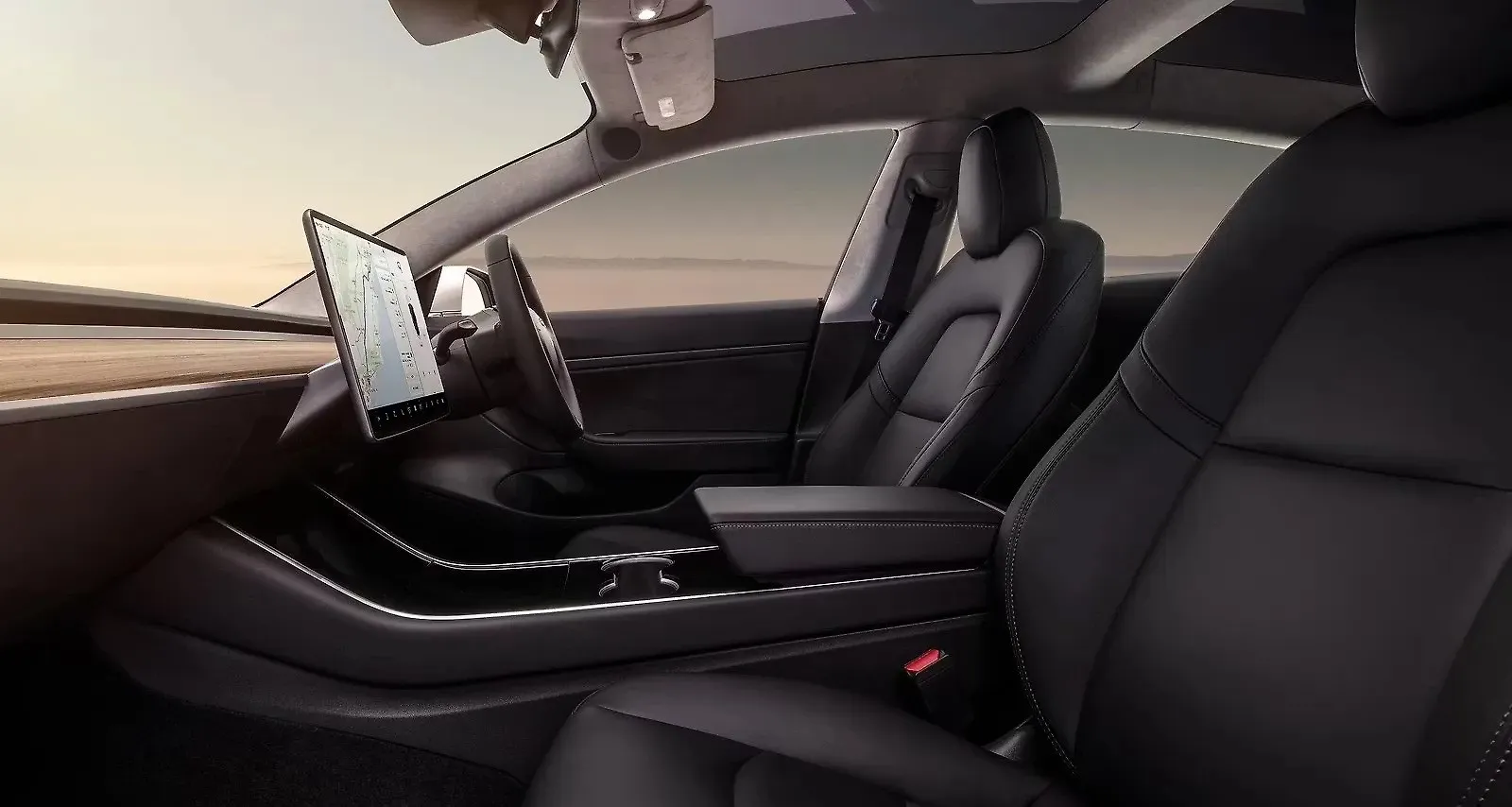
These technologies collect real-time data about the environment around the car. The vehicle’s computer systems analyse this information to detect road lanes, traffic signs, pedestrians, other vehicles, and obstacles.
All data is processed by powerful onboard computers that make decisions, such as when to accelerate, brake, or turn. The cars continuously learn from real-world driving conditions, improving their accuracy and safety over time.
Tesla’s Self-Driving Features and Specialities
Tesla’s autonomous driving system offers several advanced features:
- Full Self-Driving Capability (FSD): Tesla’s software suite enables vehicles to navigate complex urban environments, change lanes automatically, park themselves, and even recognise traffic lights and stop signs.
- Over-the-Air Updates: Tesla regularly updates its self-driving software remotely, adding new features and enhancing safety without the need for a dealership visit.
- Continuous Learning: Tesla cars collect data from millions of miles driven worldwide, feeding this information into AI models to improve driving algorithms.
Tesla’s cars operate on 24/7 autonomous capabilities and can even navigate highways and city streets independently in many regions.
The Challenges and Controversies Around Self-Driving Cars
Despite impressive advancements, self-driving technology faces several hurdles:
- Safety Concerns: Autonomous cars must handle unpredictable situations, such as sudden obstacles or adverse weather, without risking accidents.
- Ethical Issues: Decisions during emergencies (e.g., choosing between two harmful outcomes) raise questions about programming ethics.
- Regulatory Approvals: Governments worldwide are still developing laws and standards for the safe deployment of self-driving cars on public roads.
Tesla continues to invest heavily in research to overcome these challenges and make autonomous driving safer for everyone.
You May Also Like to Read this Article - Luxury EV sales register a significant increase of 66% in 2025
Amazon, Google, and Other Giants Enter the Self-Driving Car Race
Tesla’s success has attracted attention from major companies outside the traditional auto industry:
1. Waymo (Google’s Parent Company, Alphabet)
Waymo is one of the most advanced players in self-driving technology. With over 700 autonomous vehicles running in cities across the U.S., Waymo focuses on developing safe, reliable driverless taxis. Their cars operate using sophisticated sensors and AI, with millions of miles driven in real traffic.
2. GM Cruise
General Motors’ Cruise division is rapidly advancing its self-driving fleet, especially in urban environments like San Francisco. Cruise operates over 3,000 autonomous vehicles with a focus on ride-sharing services. GM is transforming its strategy by shifting traditional drivers to automated tech, aiming to reshape the future of mobility.
3. Zoox (Owned by Amazon)
Zoox, acquired by Amazon in 2020, is developing fully autonomous electric vehicles designed for urban ride-hailing. The company aims to change how people commute in cities with cars that require no human drivers. While still in the testing phase, Zoox is pushing boundaries with innovative designs and AI systems.
Why Self-Driving Cars Matter for the Future
Self-driving cars promise to revolutionise transportation by:
- Reducing Traffic Accidents: Most crashes today are caused by human error. Autonomous vehicles can react faster and follow traffic rules consistently.
- Increasing Mobility: They provide new independence for elderly and disabled people who cannot drive themselves.
- Cutting Traffic Congestion: Autonomous fleets can optimise routes and communicate with each other to reduce jams.
- Lowering Pollution: Many self-driving cars are electric, helping reduce emissions and improving air quality.
What Does the Future Hold?
According to experts, self-driving cars are expected to become more common in the next decade. However, full adoption depends on technological, legal, and social acceptance. Companies like Tesla, Waymo, GM Cruise, and Zoox are leading the charge, but consumers and governments must work together to ensure safe integration into everyday life.





,-x-line(o)-variants-launched-at-rs-21.57-lakh.webp)