
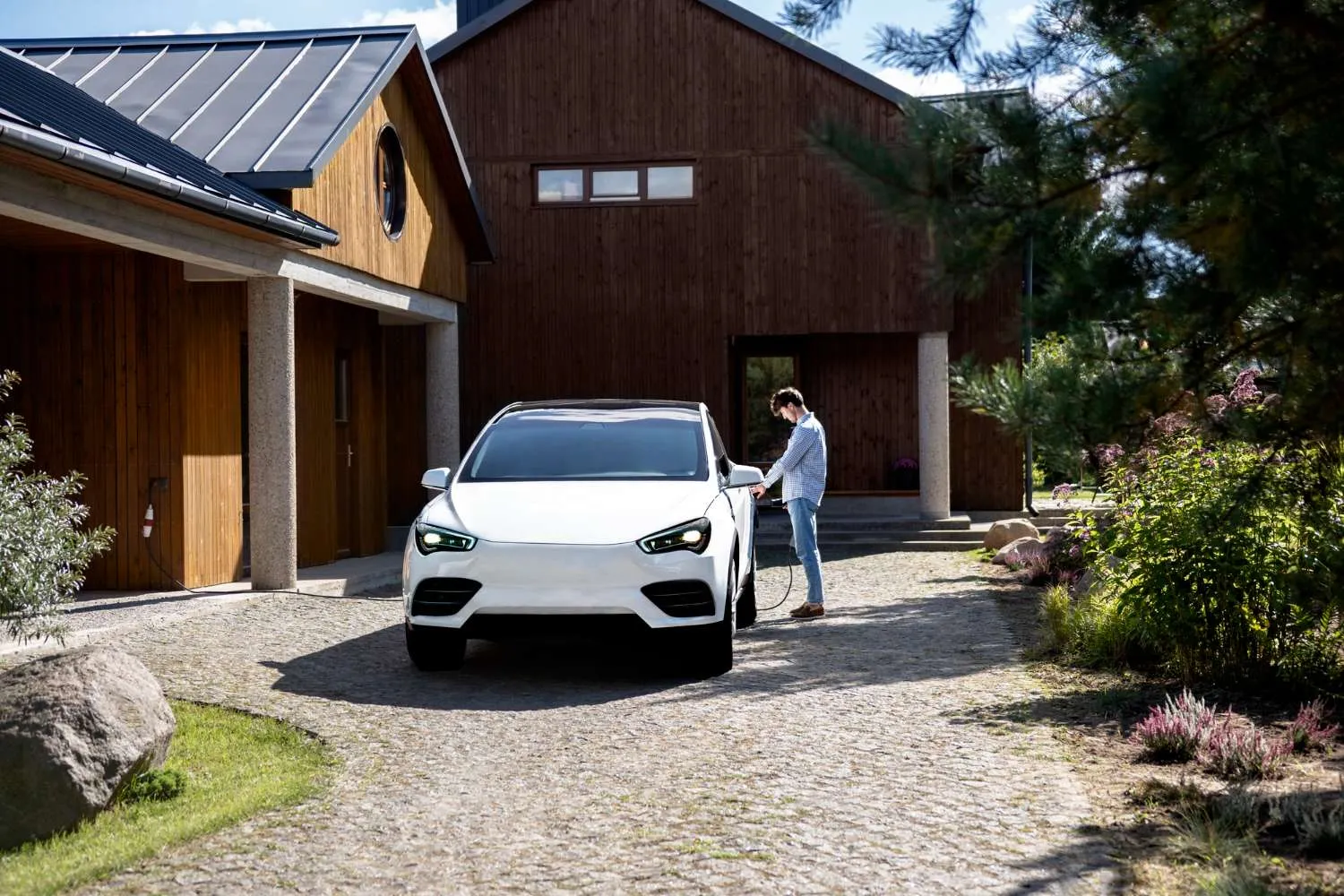
The country's luxury car market is transforming faster than other countries with electric vehicles (EVs). It is gaining momentum mainly due to the change in the attitude of wealthy and enthusiastic buyers. They are now choosing clean fuels instead of traditional petrol-diesel cars.
Luxury car companies like Mercedes-Benz, BMW and Audi to launch new EV series
According to data available on Vahan Portal, the share of electric vehicles in the luxury category was 7% in the period January-May 2024, which increased to 11% in the same period in 2025. Thus, the electric luxury category has increased by 66%. The same trend is also visible in the used car market. According to the used luxury car market, luxury EVs accounted for about 19% of the vehicles sold so far in the calendar year 2025. This figure was only 5% in the same period a year ago. One of the main reasons for the growing popularity of luxury EVs among consumers is the new range of EVs registered by major luxury car companies like Mercedes-Benz, BMW and Audi.
Sources in luxury car companies said that the market is now moving from U2A EV to Which EV. EVs are being highly preferred in the luxury category. Data from January to May shows that the luxury EV category has increased by 66%.
There is also an advantage for luxury car companies in terms of both GST and road tax. EVs are now priced at the same level as petrol-diesel cars in the mass market. Original equipment manufacturers are also trying to benefit consumers. The government also wants the same. So that EV sales can be encouraged. EVs are definitely expensive in terms of technology.
You May Also Like to Read this Article - MG M9 EV Car Price in India | Launch date and Update
In addition, factors such as increasing the scope of EV charging facilities and driving comfort are also increasing sales. Luxury EV sales have increased from 1,223 vehicles in the period January-May 2024 to 2,027 vehicles in the period January-May 2025. The industry expects this figure to increase to 60,000 vehicles in 2025.








,-x-line(o)-variants-launched-at-rs-21.57-lakh.webp)