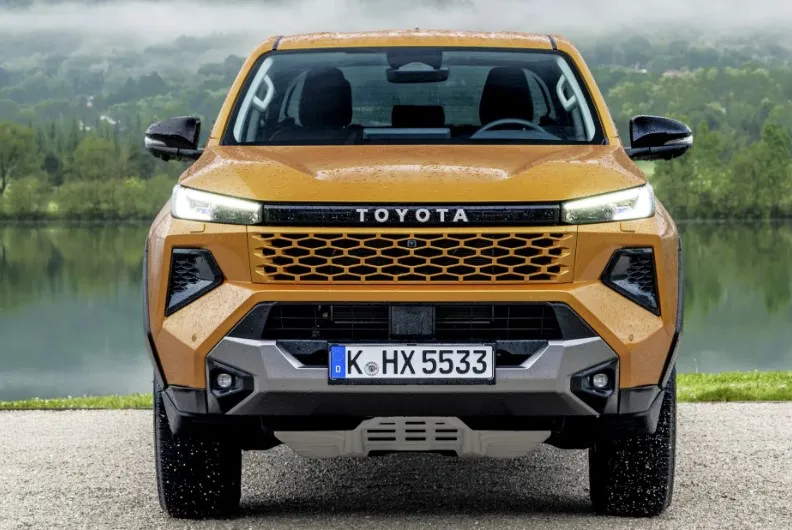


Who will give you an affordable electric car first – Maruti or Toyota – and at what price? The race has started, but the big EV price secret is still not fully open.
What Is The EV Price Mystery?
Many people in India want to buy an electric car, but one big question stops them: “How much will it cost?”
Maruti and Toyota know that families like you want a car that is not too costly, easy to charge, and safe to drive.
Right now, both brands are planning new electric cars, but they are being very quiet about the final prices.
Maruti: India’s Family Favourite Steps Into EVs
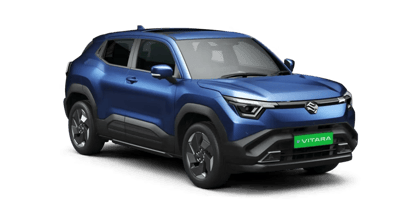
Maruti Suzuki is getting ready to launch its first big electric SUV called the e‑Vitara in 2026 in India.
This car will be Maruti’s main electric model and will also be sold in many other countries, so it is a very important project for them.
Maruti is also planning more green vehicles, including another electric MPV on the same platform and a flex‑fuel Fronx for cleaner fuel use.
To support you after you buy an EV, Maruti is building a huge charging network all over India.
It has already set up over 2,000 charging points in more than 1,100 cities and wants to reach 1 lakh charging stations by 2030, so you can find a charger every few kilometres.
Maruti says its goal is to grow the EV market and make first‑time electric buyers feel confident about their decision.
Toyota: Premium And Partner To Maruti
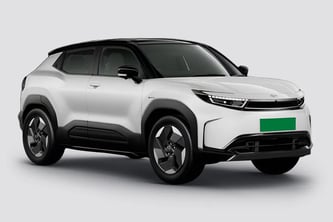
Toyota is also working on electric cars for India, including the Urban Cruiser EV and the bZ4X, which target different types of buyers.
The Urban Cruiser EV is expected to be priced around 20 to 25 lakh rupees, putting it in the mid‑segment electric SUV space that many Indian families like.
The bZ4X, on the other hand, is likely to cost around 55 to 65 lakh rupees and will compete with premium EVs like the Kia EV6 and Hyundai Ioniq 5.
Toyota and Maruti are not just rivals; they are also partners who share technology and platforms.
The e‑Vitara and Toyota’s Urban Cruiser EV are expected to use a shared EV platform, but will look and feel different for each brand.
This means you may see two cars with similar electric hearts but different badges, styles, and features in the showroom.
Why Are They Hiding Exact Prices?
The EV market in India is heating up, with strong competition from Tata, Mahindra, Hyundai, MG and others.
Tata is already preparing newer EVs with long range, and Mahindra has announced aggressive prices for its upcoming electric SUVs, which is pushing others to think carefully about their pricing.
Because of this, Maruti and Toyota do not want to reveal their exact EV prices too early, as they may need to adjust them based on rivals and government rules.
Battery costs, subsidies, and taxes can change the final on‑road price you pay.
If one company announces a high price and another comes in lower later, the first brand may lose many customers like you.
So both Maruti and Toyota are watching the market closely before they say, “This is our final EV price”.
You May Also Like to Read this Article - JSW Motors Launch Plans Likely Delayed Over Parts Approval
What This Means For You
If you are planning your first electric car, the next one to two years are very important for you.
By 2025–2026, India will see more than 10 new EVs from big brands,ds including Tata, Maruti, Toyota, Kia, Mahindra, VinFast and MG, with prices starting around 13 lakh rupees in some cases.
As more cars launch, companies will compete harder on price, range and features, which can give you better deals and more choices.
You can start getting ready now by doing a few simple things.
First, decide what you really need: a city‑use car, a family SUV, or a premium EV with long range.
Second, check if there are enough charging points near your home, office or regular routes, especially as Maruti and others add new fast chargers across India.
When Maruti’s e‑Vitara and Toyota’s Urban Cruiser EV finally enter showrooms with official prices, you will be ready to compare and choose what fits your budget and lifestyle.
The EV price mystery may feel confusing today, but for buyers like you, it could soon turn into a good bargain as carmakers fight to win your trust and your driveway.









,-x-line(o)-variants-launched-at-rs-21.57-lakh.webp)