
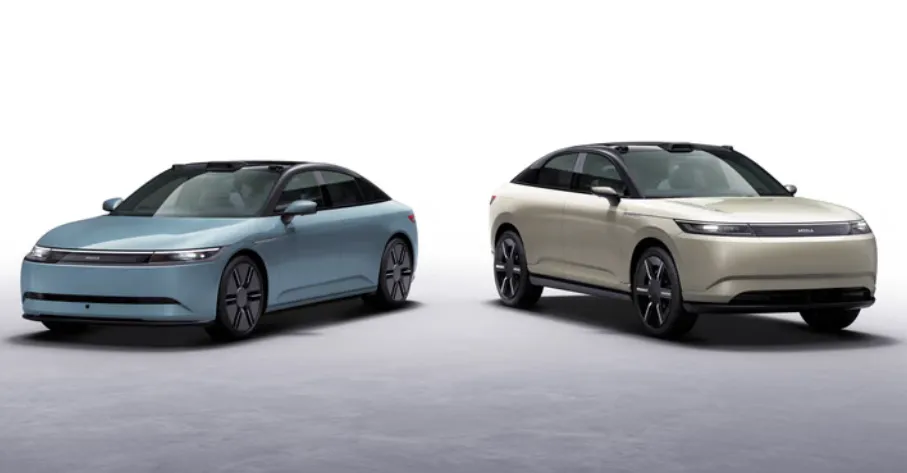
The dream car made by two big companies — Sony and Honda — has hit the brakes! The much-talked-about Afeela EV is no longer going ahead as planned.
The Big News
Sony Honda Mobility, a company made by Sony and Honda, has decided to stop making its Afeela electric cars (EVs). The news came as a surprise because millions of people, including tech lovers like you, were waiting to see this car on the roads. The Afeela EV was shown off as a smart, modern car that could even talk to people, show movies, and drive with amazing safety features.
But now, plans have changed.
What Was Afeela?
Afeela was a brand-new electric car project that Sony and Honda announced proudly in 2022. The car was supposed to mix Sony’s tech skills with Honda’s car-making power. Imagine a car where your dashboard acts like a screen, where you can play games, watch movies, and the car can drive itself smoothly.
That’s what Sony Honda Mobility promised — a “car that feels”. The name Afeela came from the word “feel,” meaning the car would connect with you and understand your mood and needs. Many people dreamed of this being the “PlayStation on wheels.”
Why Did They Stop?
According to reports, both companies realized that making such an advanced car quickly was too tough and costly. The market for electric vehicles (EVs) is not easy. Big car brands like Tesla, BYD, and Hyundai are already leading with cheaper, fast-charging models. To compete, Sony Honda Mobility needed more time, money, and technology.
Experts say that Sony and Honda had different ideas about what the Afeela car should really be — a tech gadget or a family car. Because of these differences and high production costs, the project could not move forward smoothly.
Simply put, the Afeela car turned out to be a dream that was too big to build right now.
What Happens Next?
While the Afeela EVs won’t hit the roads soon, Sony and Honda are not giving up. Both companies said they will keep working on mobility innovations, AI-based driving, and new digital features for future vehicles.
Sony may use its technology in other smart vehicles or software systems, while Honda can put its learning from Afeela into next-gen hybrid or EV cars. So, the story might not be over — just paused.
If you love cars and technology, this might still be exciting news! You might one day see the ideas from Afeela appear in another smart EV made by these two big names.
Why It Matters to You
Afeela was not just an ordinary car. It showed how technology is changing how we think about driving. The car was meant to make your ride fun, safe, and connected — almost like living inside a smart gadget!
By stopping Afeela EVs, Sony Honda Mobility is showing that even the smartest companies face challenges when entering the fast-moving electric vehicle race. But it also reminds us that innovation takes time, and sometimes a pause helps build a better future.
For you, as a reader and consumer, this means:
- More brands will focus on creating practical, affordable EVs.
- Future cars may still get Afeela-like features, such as large touchscreens, voice control, and entertainment systems.
- The competition among carmakers will bring better, smarter vehicles to your city soon.
People’s Reactions
Online, many car fans shared mixed feelings. Some were sad because they were excited to see Sony step into the car world. Others said it’s good that Sony and Honda didn’t rush. Making a powerful EV takes patience, experience, and a lot of testing.
Electric car owners also hope that the lessons learned from Afeela will help make newer EVs safer, more intelligent, and fun to drive.
You May Also Like to Read this Article - 2026 Renault Duster Fuel Efficiency Figures Revealed
The Road Ahead
Even though the Afeela EV project is scrapped, the journey of innovation continues. Sony Honda Mobility may bring a new name or new design later. Just like game consoles or smartphones improve every few years, electric cars will also keep evolving.
So don’t be disappointed yet — the dream of a smart EV made by Sony and Honda might still come true one day, with new updates, better software, and brighter designs.
The end of Afeela is not the end of innovation; it’s just a new turn on the road to the future of mobility.









,-x-line(o)-variants-launched-at-rs-21.57-lakh.webp)