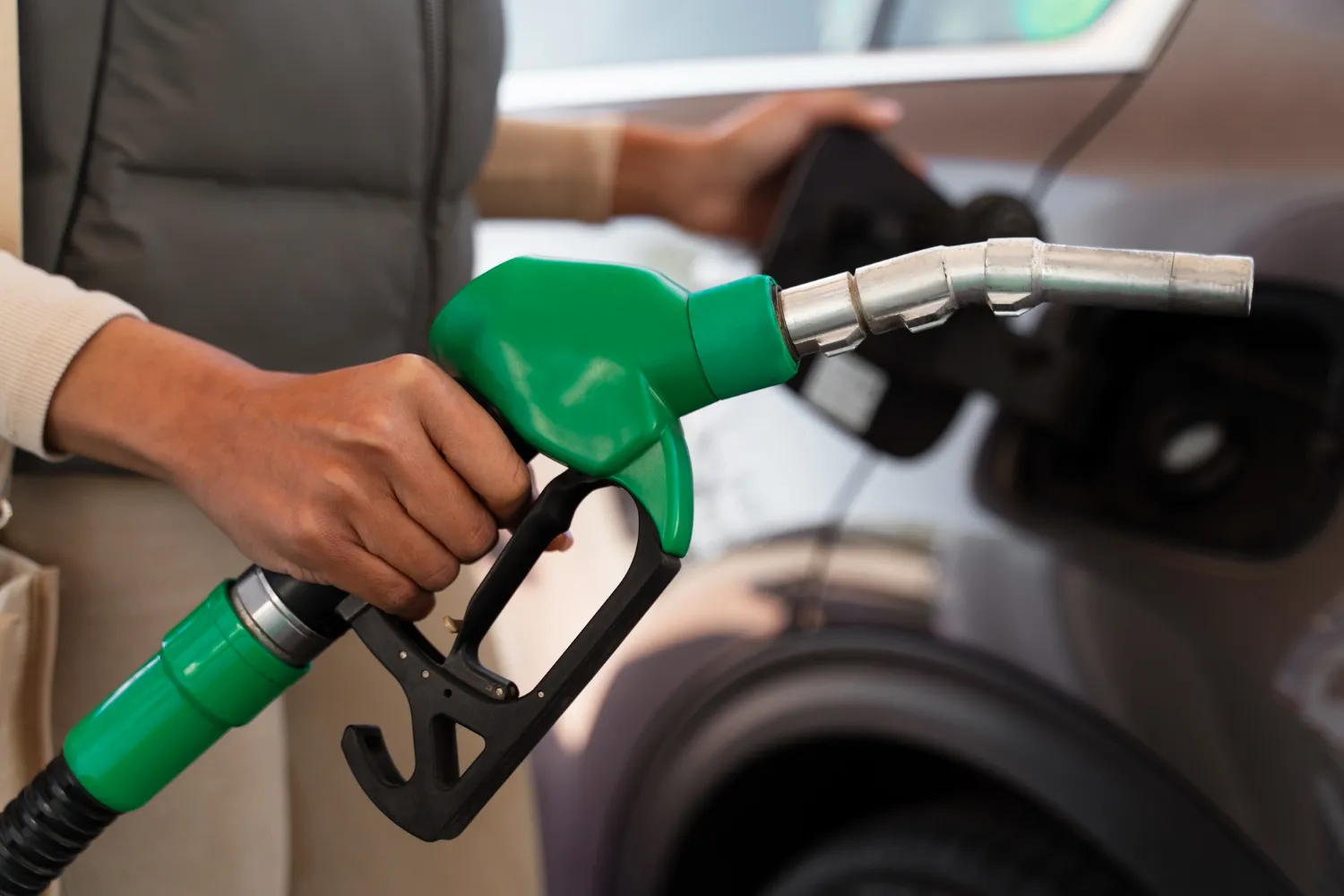

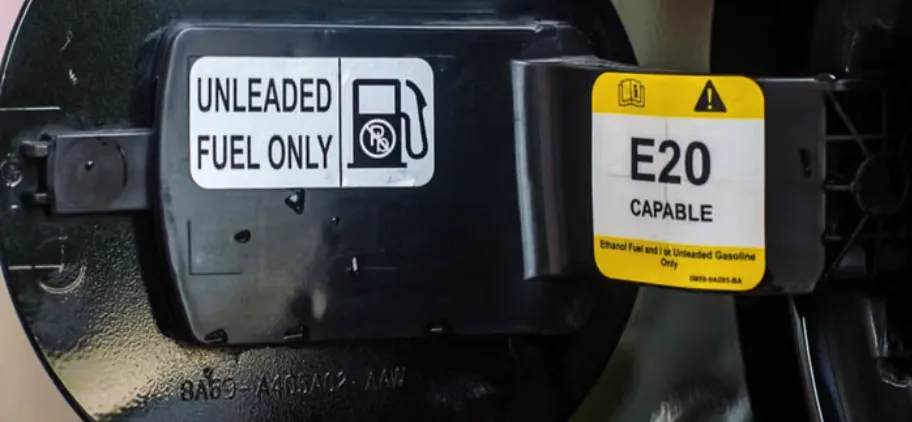
India is rolling out E20 fuel across the country — this is petrol mixed with 20% ethanol and 80% petrol. The government says it will help the environment and save money for the country, but for people with older vehicles, it could mean lower mileage, more maintenance, and faster wear and tear.
- Price impact: Even though ethanol used to be cheaper, it now costs more to produce, so fuel prices haven’t dropped.
- Performance: Newer cars made for E20 may get better engine performance, but fuel efficiency is slightly lower. Older cars might get a small power boost but lose more mileage.
- Mileage drop: New cars may lose 1–2% mileage, older ones 3–6%, and sometimes even more in real use.
- Wear and tear: E20 absorbs water, which can damage fuel pumps, injectors, and rubber parts faster, especially in humid areas. Older cars may need parts replaced after 20,000–30,000 km.
- Maintenance: Older vehicles may need more frequent servicing and cleaning of the fuel system.
- Warranty issues: Some car makers may upgrade vehicles for E20 use at a cost, but others haven’t confirmed their plans.
The good side: Since 2014–15, E20 fuel blending has saved India lots of foreign currency and helped farmers earn more.
Bottom line:
If you have a new E20-ready car, you should be fine — maybe even see small performance benefits. If you have an older car, you might face higher fuel costs, lower mileage, and more maintenance.