
India is moving towards a cleaner and greener future. In a major step for the country's transport sector, Union Road Transport and Highways Minister Nitin Gadkari has approved E100 Fuel Regulations for Vehicles, opening the door for vehicles that can run on 100% ethanol fuel. This decision could change how millions of people travel in the coming years.
What Are E100 Fuel Regulations for Vehicles?
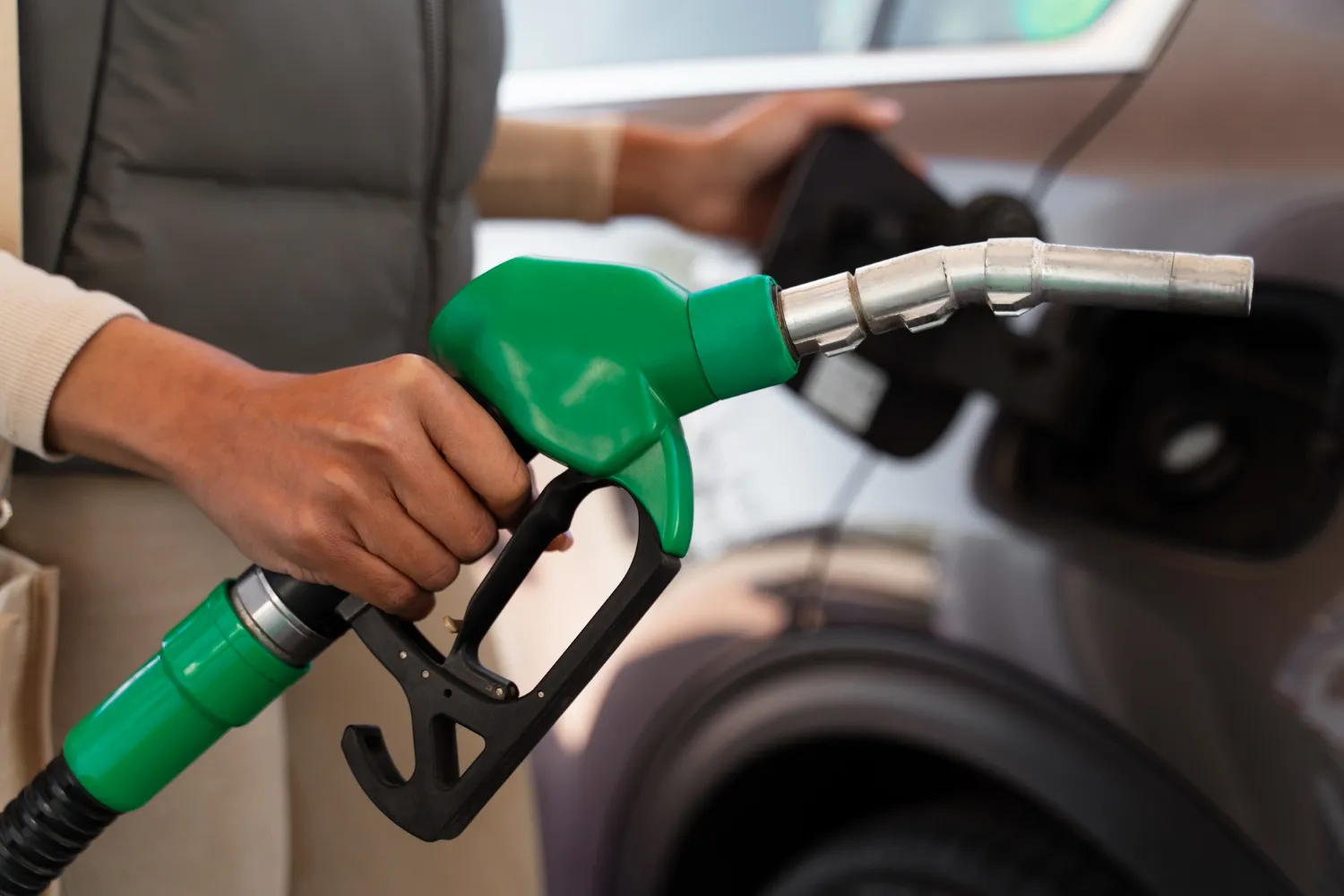
The newly approved E100 Fuel Regulations for Vehicles allow the legal use of 100% ethanol fuel in specially designed flex-fuel vehicles. Ethanol is a biofuel made from crops such as sugarcane, corn, and other agricultural products.
Until now, most vehicles in India used petrol mixed with a small percentage of ethanol. With these new regulations, manufacturers can now develop and launch vehicles that can operate entirely on ethanol fuel.
Nitin Gadkari Announces Approval of E100 Fuel Rules
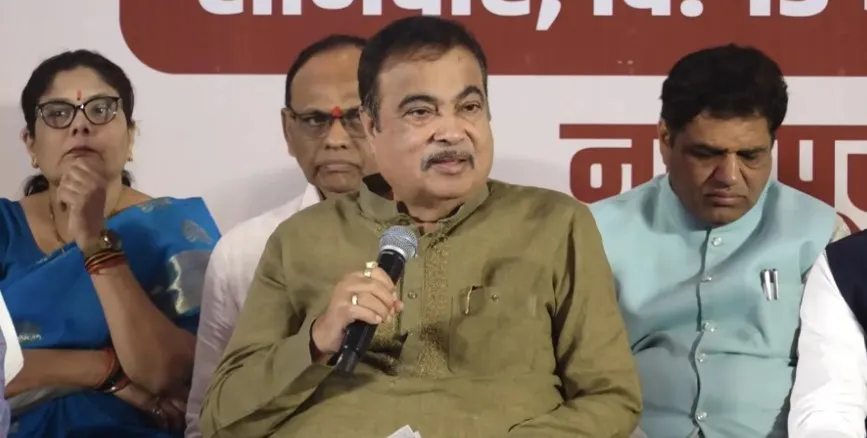
Nitin Gadkari recently announced that he had signed the final regulations that legally approve the use of E100 fuel in vehicles. He described the move as an important milestone in India's journey towards alternative fuels and reduced dependence on petrol.
According to the minister, this decision supports the government's long-term goal of promoting cleaner transportation and reducing the country's reliance on imported crude oil.
Why Is Ethanol Fuel Important for India?
Reducing Dependence on Imported Oil
India spends a large amount of money every year importing crude oil from other countries. By increasing the use of ethanol fuel, the country can reduce its dependence on imported fossil fuels and improve energy security.
Supporting Indian Farmers
Ethanol production creates a new market for agricultural products such as sugarcane, maize, and other crops. This can provide additional income opportunities for farmers and support rural development.
Lowering Vehicle Emissions
Ethanol is considered a cleaner-burning fuel compared to traditional petrol. Increased use of ethanol-powered vehicles may help reduce certain vehicle emissions and contribute to environmental sustainability.
Which Vehicles Can Use E100 Fuel?
Not every vehicle currently on Indian roads can use E100 fuel.
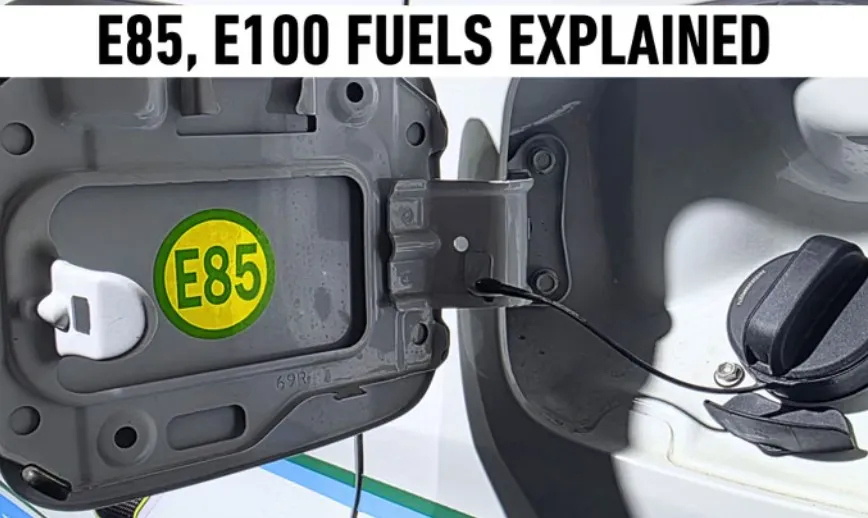
Only specially designed flex-fuel vehicles are capable of running on 100% ethanol. These vehicles have engines and fuel systems built to handle higher ethanol concentrations safely and efficiently.
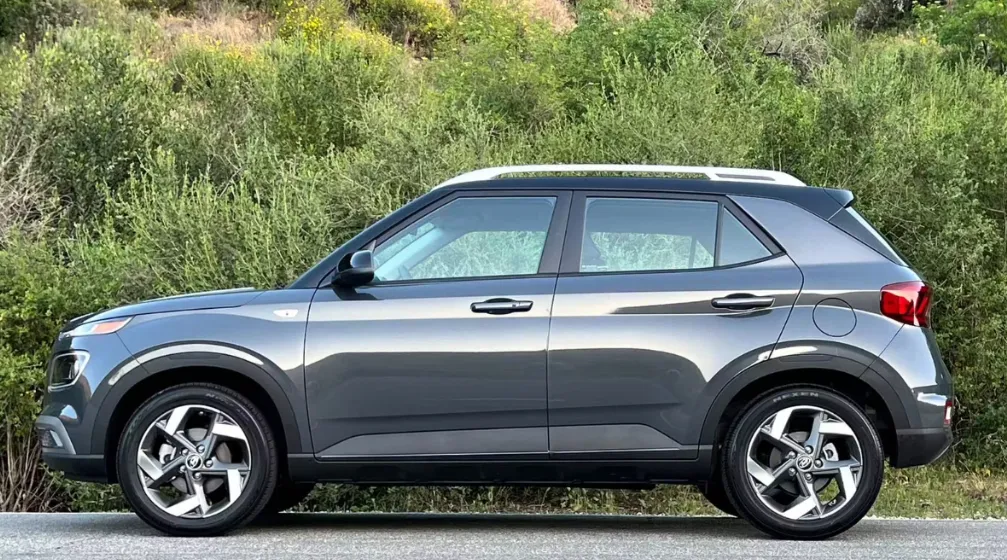
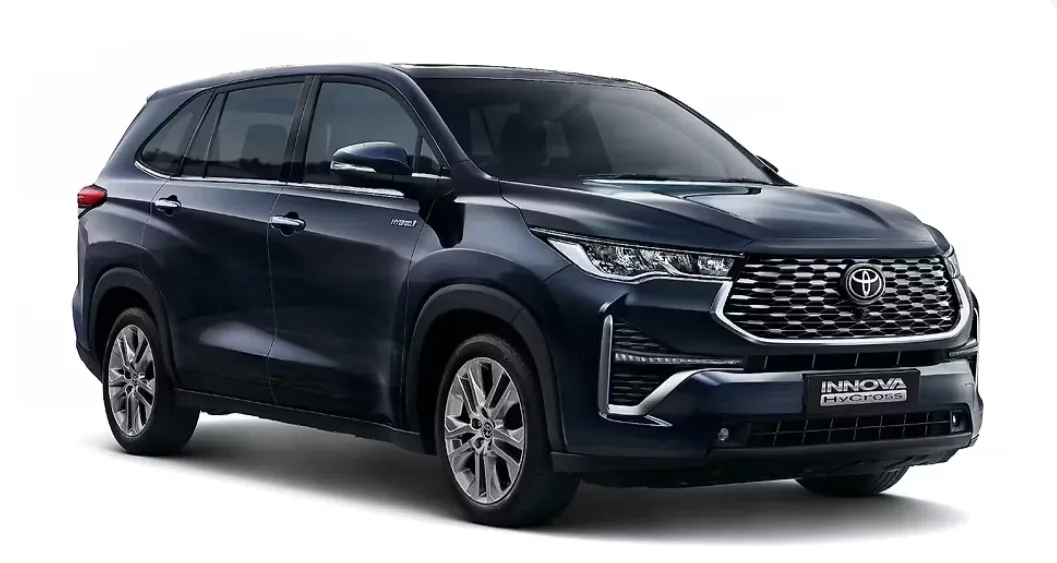
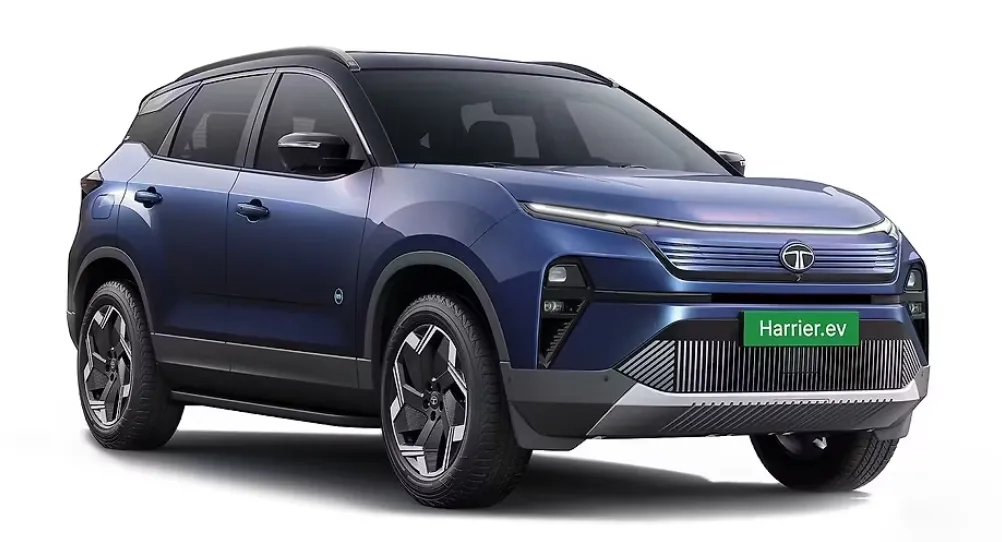
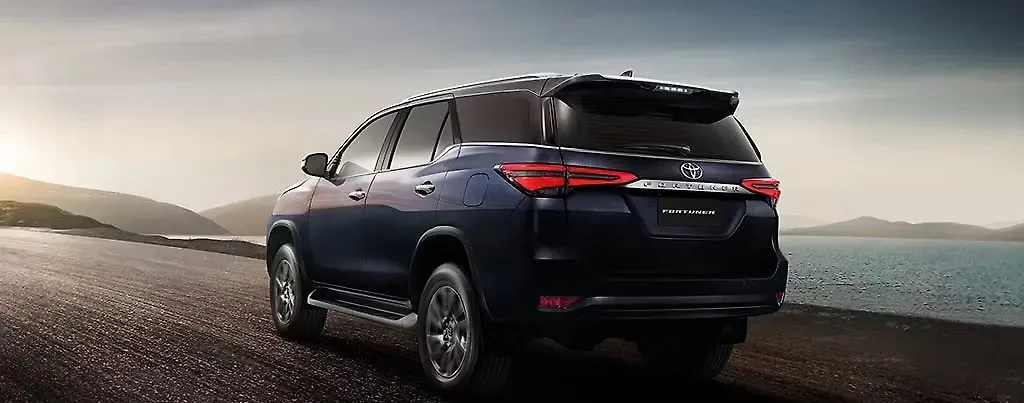
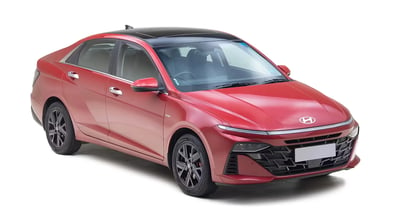
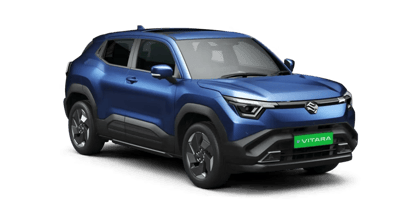
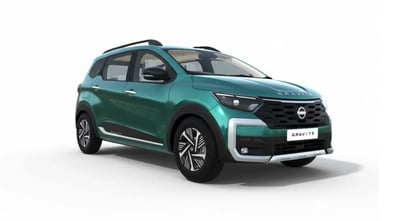
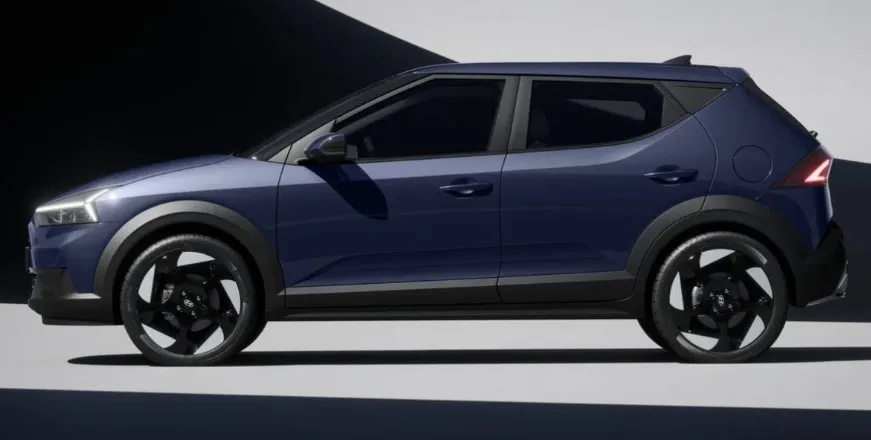
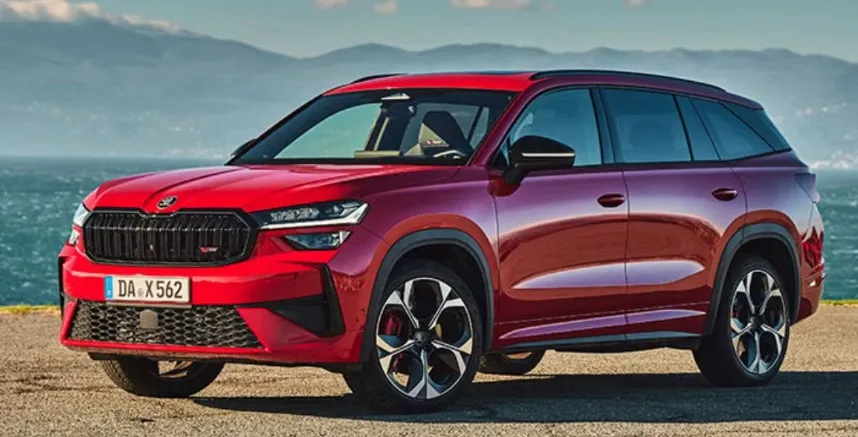
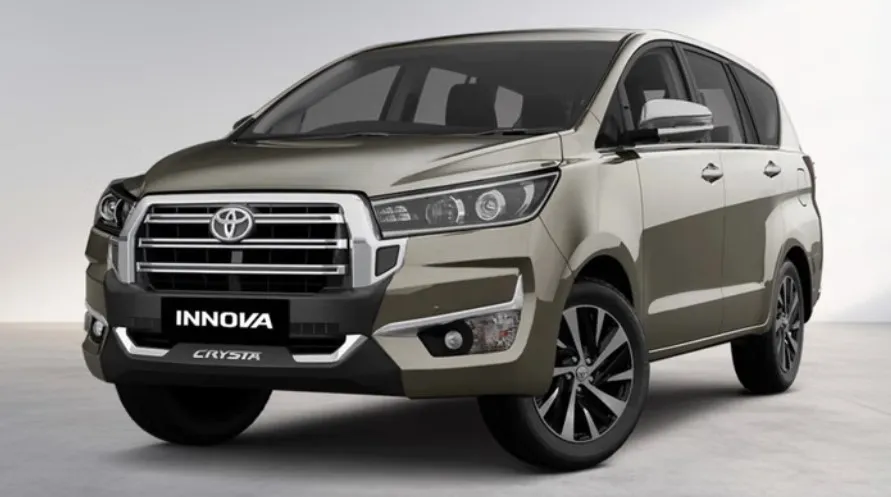
Several automobile manufacturers are preparing to introduce E100-compatible vehicles in the Indian market. Companies such as Maruti Suzuki, Toyota, MG Motor, and Hyundai are expected to expand their flex-fuel vehicle offerings.
What Does This Mean for Vehicle Owners?
For current vehicle owners, there is no immediate need to switch fuels or replace vehicles.
Most existing petrol vehicles are designed for lower ethanol blends and may not be compatible with pure E100 fuel. Vehicle owners should always check manufacturer recommendations before using any new fuel type.
As more flex-fuel vehicles become available and fuel infrastructure expands, consumers will have additional fuel options in the future.
Challenges Ahead for E100 Fuel Adoption
Fuel Availability
One of the biggest challenges will be creating a nationwide network of E100 fuel stations. Fuel companies will need to develop storage and distribution systems capable of handling pure ethanol.
Vehicle Compatibility
The success of E100 fuel depends on the availability of compatible vehicles. Automakers will need to increase production of flex-fuel models to support wider adoption.
Consumer Awareness
Many people are still unfamiliar with ethanol fuel technology. Education and awareness campaigns may help consumers understand the benefits and limitations of E100 fuel vehicles.
You May Also Like to Read this Article - E22, E25, E27 and E30 Fuels Exempted From Central Excise Duty
India's Growing Focus on Alternative Fuels
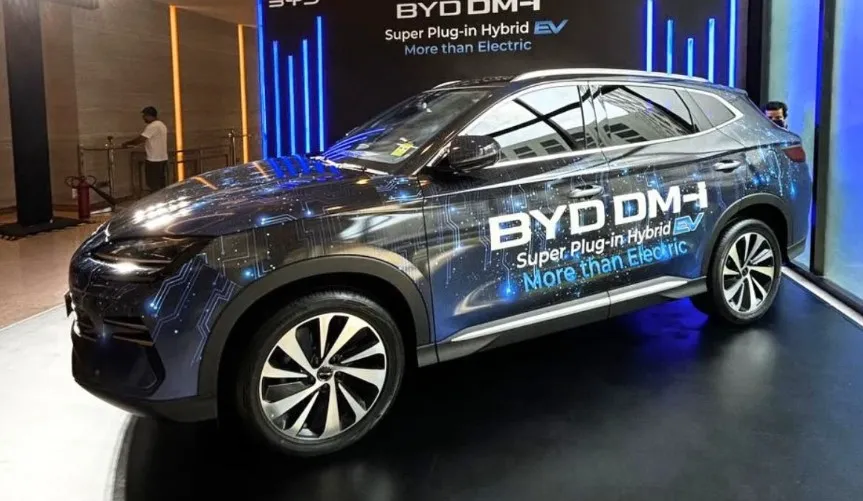
The approval of E100 Fuel Regulations for Vehicles is part of India's larger strategy to promote alternative fuels. Along with electric vehicles, hydrogen-powered vehicles, and biofuels, ethanol is expected to play an important role in the country's clean mobility future.
Government leaders believe that multiple clean fuel technologies will work together to reduce pollution, lower fuel imports, and create a more sustainable transportation system.
Conclusion
The approval of E100 Fuel Regulations for Vehicles marks a major development in India's transportation and energy sectors. By allowing vehicles to run on 100% ethanol fuel, the government aims to reduce dependence on imported oil, support farmers, and encourage cleaner mobility solutions.
While challenges such as fuel infrastructure and vehicle availability remain, this decision represents an important step towards a future where alternative fuels become a larger part of everyday transportation in India. As automakers introduce more flex-fuel vehicles, consumers may soon have new choices for cleaner and more sustainable travel.