
India is taking another big step toward cleaner fuel and lower dependence on imported oil. The government has announced that E22, E25, E27 and E30 fuel blends will now be exempted from Central Excise Duty, a move that could support ethanol production, benefit farmers, and help the country move toward a greener future.
E22, E25, E27 and E30 Fuels Exempted From Central Excise Duty
The Government of India has announced that E22, E25, E27 and E30 fuel blends are exempted from Central Excise Duty. This decision is part of India's larger plan to encourage the use of ethanol-blended fuels across the country.
Ethanol is a renewable fuel made mainly from agricultural products such as sugarcane, corn, and other crops. By mixing ethanol with petrol, the government aims to reduce the use of fossil fuels and lower harmful emissions.
The exemption from Central Excise Duty is expected to make these fuel blends more attractive for fuel producers and distributors, helping increase their availability in the market.
What Are E22, E25, E27 and E30 Fuels?
Understanding Ethanol Blended Fuels
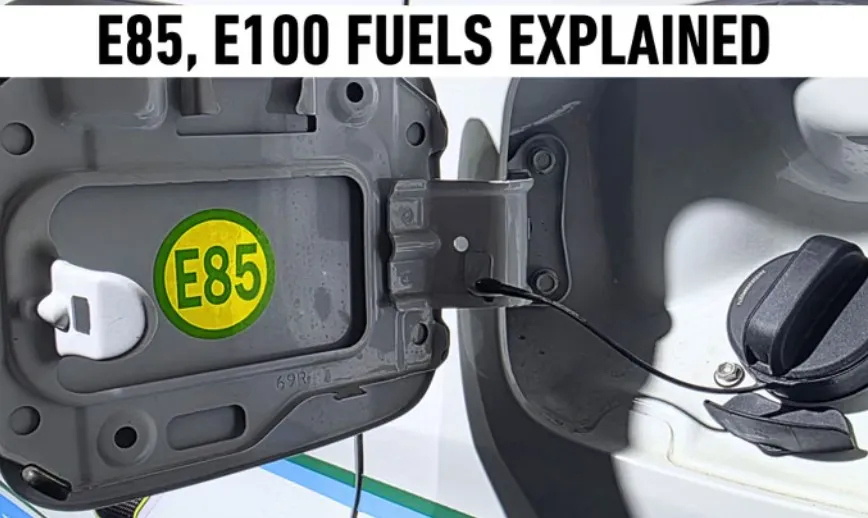
The letter "E" in fuel names stands for ethanol. The number shows the percentage of ethanol mixed with petrol.
- E22 contains 22% ethanol and 78% petrol.
- E25 contains 25% ethanol and 75% petrol.
- E27 contains 27% ethanol and 73% petrol.
- E30 contains 30% ethanol and 70% petrol.
These fuels are designed to reduce the amount of petrol used while supporting cleaner energy solutions.
Why Ethanol Is Important
Ethanol is considered a cleaner-burning fuel compared to traditional petrol. It helps reduce carbon emissions and supports India's efforts to fight pollution and climate change.
Because ethanol can be produced locally, it also helps reduce India's dependence on imported crude oil.
Why Has the Government Introduced This Exemption?
Supporting India's Green Energy Goals
India has been actively promoting ethanol blending for several years. The country has already achieved significant progress in increasing ethanol blending levels in fuel.
By exempting E22, E25, E27 and E30 fuels from Central Excise Duty, the government wants to encourage greater production and use of higher ethanol blends.
This move supports India's long-term goal of creating a cleaner and more sustainable energy system.
Reducing Oil Import Costs
India imports a large amount of crude oil every year. These imports require significant spending and can affect the country's economy when global oil prices rise.
Increasing the use of ethanol-blended fuels can reduce petrol consumption and lower dependence on imported oil, helping India save foreign exchange.
Benefits for Farmers
Increased Demand for Agricultural Products
One of the biggest advantages of ethanol production is that it creates additional demand for crops such as sugarcane and maize.
As ethanol production increases, farmers may benefit from better market opportunities for their produce.
Stronger Rural Economy
Higher demand for ethanol-producing crops can support rural businesses and create more income opportunities in agricultural regions.
This can contribute to stronger economic growth in villages and farming communities.
How Can Consumers Benefit?
Cleaner Fuel for Vehicles
Ethanol-blended fuels generally produce fewer harmful emissions compared to regular petrol. This can help improve air quality over time.
Support for Energy Independence
When you use fuels containing more ethanol, you indirectly support India's efforts to become less dependent on imported energy sources.
Possible Long-Term Economic Benefits
As domestic fuel production increases and oil imports decrease, the country may experience greater energy security and economic stability in the future.
Impact on the Fuel Industry
Encouraging Investment
The tax exemption may encourage companies to invest more in ethanol production facilities, storage infrastructure, and fuel distribution networks.
Expanding Ethanol Availability
Fuel companies may find it easier to offer higher ethanol blends across more regions, helping consumers access cleaner fuel options.
As infrastructure improves, ethanol-blended fuels could become a more common choice at fuel stations across India.
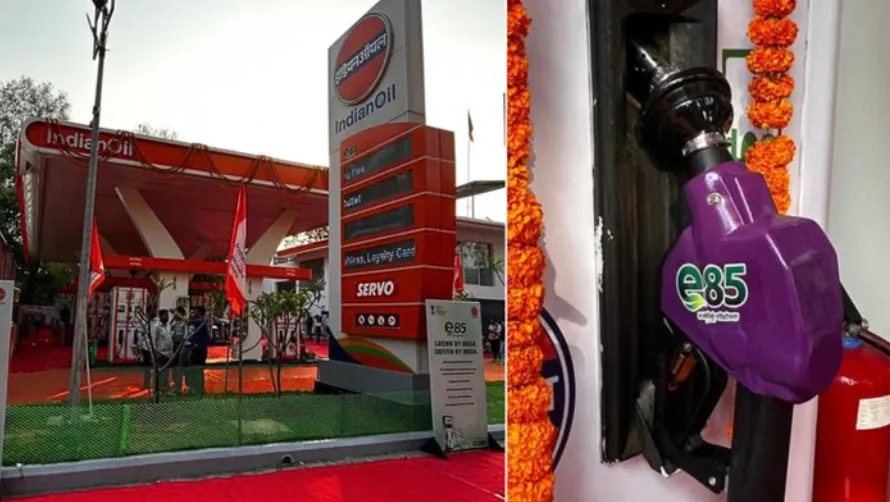
You May Also Like to Read this Article - E85 Fuel Introduced in Delhi at Rs 82.12 per litre
Challenges to Consider
Vehicle Compatibility
Not all vehicles are designed to run efficiently on higher ethanol blends. Vehicle manufacturers may need to continue developing engines that can fully support these fuels.
Infrastructure Development
The successful expansion of E22, E25, E27 and E30 fuels will require investments in transportation, storage, and distribution systems.
Government agencies and private companies will need to work together to ensure smooth implementation.
What Should You Do as a Vehicle Owner?
If higher ethanol-blended fuels become available in your area, check your vehicle manufacturer's recommendations before using them regularly.
Understanding your vehicle's fuel compatibility can help you make informed decisions and avoid potential performance issues.
You can also stay updated on government fuel policies and new developments in ethanol blending programs.
Conclusion
The decision that E22, E25, E27 and E30 fuels are exempted from Central Excise Duty marks an important step in India's journey toward cleaner energy and reduced oil dependence. The move is expected to encourage ethanol production, support farmers, strengthen the rural economy, and help the country achieve its environmental goals.
As ethanol-blended fuels become more widely available, consumers, businesses, and farmers may all play a role in shaping a greener and more sustainable future for India.