

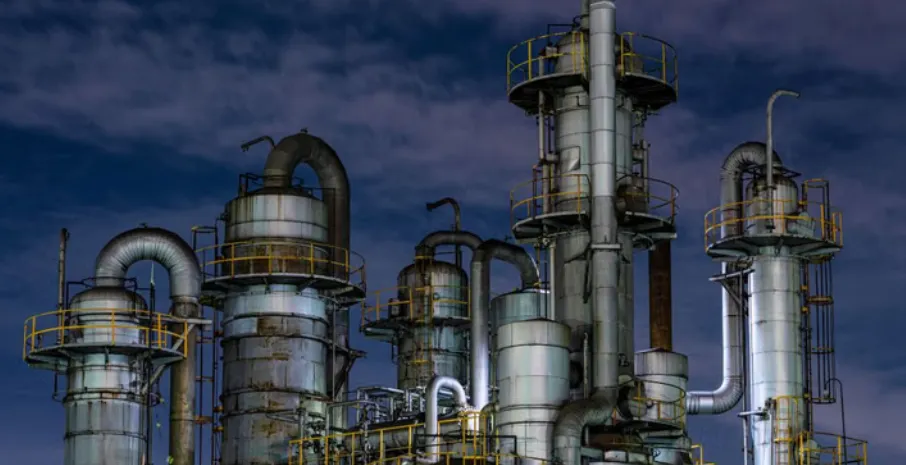
Crude oil prices rise sharply when there is trouble in the Middle East, and this is now starting to touch your daily life, from bus fares to food bills.
When oil gets costlier, your daily ride, your food, and even your pocket money start to feel the heat.
What Is Happening Now?
Right now, there is a big conflict going on in the Middle East, mainly involving Iran, Israel, the United States, and some Gulf countries.
Because of this fight, crude oil prices rise very fast in global markets.
On Monday, crude oil prices jumped by about 29 percent in one day and touched around 119.50 dollars for one barrel, which is a very sharp rise.
This sudden jump has worried many governments, companies, and normal people like you and your family.
Why Does Conflict Make Oil Costly?
A lot of the world’s oil comes from the Middle East, especially through a narrow sea route called the Strait of Hormuz.
Because of the conflict, some ships are scared to pass through this area, and a few ships have already been attacked or stopped.
When oil cannot move easily, there is less oil available in the market, and then crude oil prices rise quickly.
Experts say if this fight goes on for a long time, prices can go even higher, maybe up to 120–150 dollars per barrel in a very bad-case situation.
How Can This Affect You?
You may think, “I do not buy crude oil, so why should I care?” but crude oil prices rise can change many things around you.
- Petrol and diesel: Fuel for cars, bikes, buses, and trucks becomes costlier when crude oil prices rise.
- Transport costs: When fuel costs go up, it becomes more expensive to move goods like vegetables, milk, or clothes from one place to another.
- Daily items: Because transport becomes costly, shopkeepers may slowly increase prices of groceries and other daily-use products.
- Electricity and gas: In some places, power and cooking gas can also become more expensive over time when oil stays costly.
So even if you are a student, your bus pass, school van fees, tiffin items, and family budget can all feel the impact when crude oil prices rise.
What Are Governments and Companies Doing?
Governments in many countries are watching crude oil prices rise and trying to control inflation, which means the general rise in prices.
Some oil-producing countries had already planned to produce a bit more oil to keep prices under control, but the conflict is still creating fear in markets.
In some places, governments may reduce fuel tax or give some support so prices do not climb too fast for common people.
Still, experts believe oil prices may stay high as long as the Middle East conflict continues and shipping routes remain at risk.
You May Also Like to Read this Article - How Iran-Israel-US Conflict Could impact India’s auto industry
What Can You and Your Family Do Now?
You cannot stop a war, but you and your family can take small, smart steps to handle the effect of crude oil prices rise on your daily life.
- Use shared transport: Try using school buses, carpooling, or public transport instead of each person using a separate vehicle where possible.
- Save fuel: If your family has a car or bike, plan trips better, avoid extra rides, and keep vehicles serviced so they use less fuel.
- Watch your budget: Your parents can track monthly spending on fuel, groceries, and other items and cut non-important costs like unwanted outings for a while.
- Prefer local products: Buying more local fruits, vegetables, and goods can reduce the effect of higher transport costs.
- Stay informed: You and your family should follow simple news updates, so you know if crude oil prices rise further or start to cool down.
Even simple actions like walking short distances, cycling, and using nearby shops can help your family spend less when oil prices are high.
Why Staying Calm and Informed Matters
News of conflict and price rise can sound scary, but staying calm and informed helps you make better choices.
Oil prices often move up and down, but very sharp jumps, like now, remind us why saving energy and money is important for everyone.
If crude oil prices rise for a long time, governments, companies, and families will all need to change how they use fuel and plan budgets.
By understanding this news in simple words, you are already taking the first step to be more aware and ready to act in smart ways.




























,-x-line(o)-variants-launched-at-rs-21.57-lakh.webp)