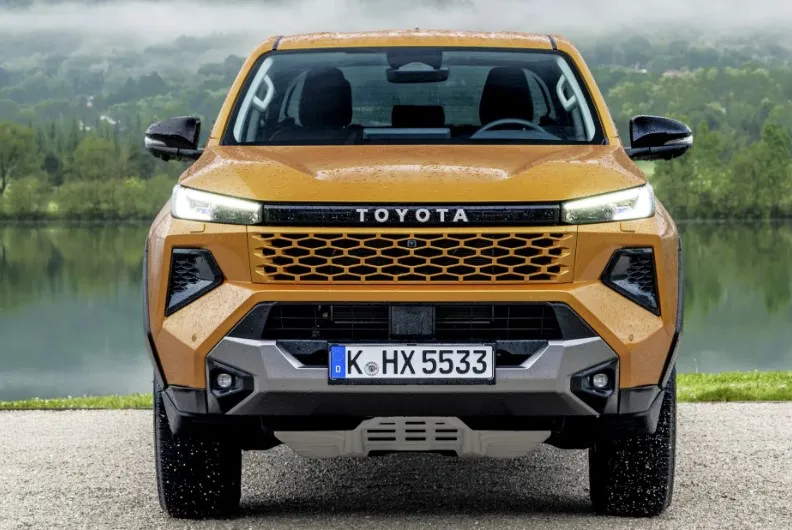

Cars, bikes and buses touch your life every day – and a far‑away Iran–Israel–US conflict can still decide how much you pay to move around tomorrow.
What is the Iran–Israel–US conflict?
The conflict is a fight between Iran on one side and Israel and the US on the other in the Middle East region.
This area is very important for the world because a lot of the world’s oil moves through it.
When there is war or tension there, many governments and traders get scared.
They worry that oil may not move safely on ships.
Why does this matter for oil prices?
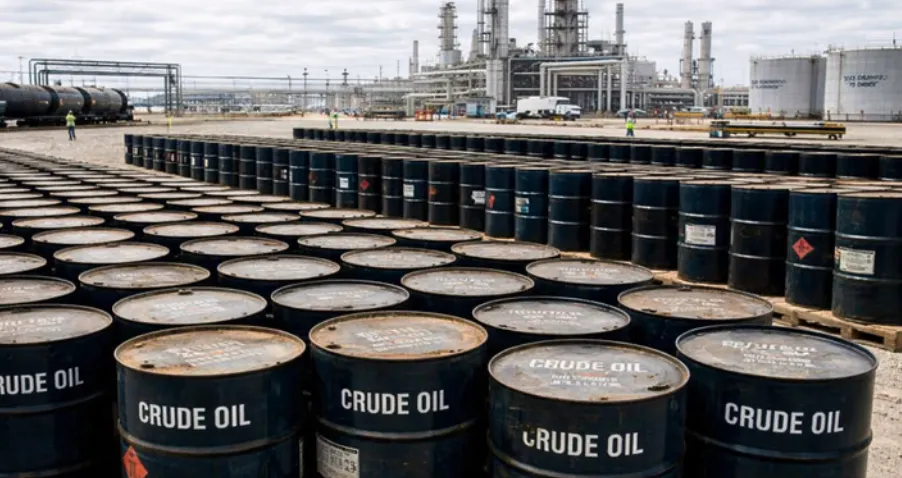
Crude oil is the thick, dark liquid that becomes petrol and diesel in refineries.
A big part of the world’s oil ships pass near Iran through a narrow sea route called the Strait of Hormuz.
If war blocks this sea route even for some time, less oil reaches the world market.
When supply falls and fear rises, the price of oil can jump sharply.
How much does India depend on oil?
India buys most of its crude oil from other countries, mainly from the Middle East.
Our own oil production is small, so we have to import a lot to run cars, buses, trucks and factories.
When global oil prices jump, India has to spend more dollars to buy the same amount of oil.
This can weaken the rupee and make many things costlier for you.
How can this hit India’s auto industry?
India’s auto industry makes cars, bikes, scooters, trucks and buses for Indian buyers and for many other countries.
The industry also exports a lot of vehicles to places like the Middle East, Africa and Latin America.
If oil prices rise due to the Iran–Israel–US conflict, Indian auto companies can face problems in many ways.
Some key effects are:
- Higher fuel prices: Petrol and diesel at pumps can become costlier if crude oil prices stay high.
- Higher transport costs: Moving parts and finished vehicles by truck or ship costs more when fuel is expensive.
- Higher input costs: Metals, plastics and chemicals used in vehicles are often made using energy, so their prices can go up too.
- Pressure on exports: Buyers in the Middle East and other regions may cut orders if their own fuel and living costs rise.
What could this mean for you?
If fuel prices increase, you may see:
- Costlier daily travel: Bus, cab and auto fares can slowly move up when diesel prices rise.
- Higher costs for goods: Trucks carry food, clothes and many products; when fuel costs more, final prices can also rise.
- Costlier new vehicles: Car and bike makers may slowly raise prices if their own costs for parts and transport rise.
If prices go up too fast, some families may delay buying a new car or bike.
This can reduce sales growth for India’s auto companies for some time.
You May Also Like to Read this Article - Tata Motors Clocks Sales Of 63,331 Units In Feb 2026, 35% YoY Growth
Are there any possible benefits?
There can be a few positive pushes too.
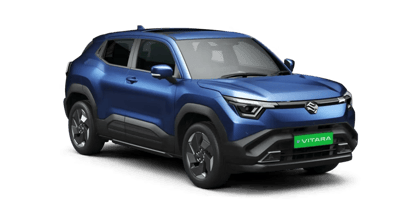
High oil prices make people think more seriously about fuel‑efficient cars and electric vehicles (EVs).
This can speed up India’s shift towards EVs, which use electricity instead of petrol or diesel.
The government and companies are already working to localise more auto parts in India to depend less on imports.
If the conflict lasts long, there may be:
- More focus on EVs, CNG and hybrid vehicles.
- More push for “Make in India” auto parts so that foreign shocks hurt less.
- New jobs in battery, charging and clean‑energy sectors in the long term.
What can you do as a consumer?
You cannot stop the Iran–Israel–US conflict yourself, but you can make smart choices.
Some simple actions are:
- Use public transport, car‑pooling or shared cabs more often to save fuel.
- Maintain your vehicle well, keep tyres filled and drive smoothly to use less petrol or diesel.
- If you plan to buy a new vehicle, compare mileage carefully and think about EVs or hybrids where they fit your needs.
- Plan trips better so you avoid wasteful travel and extra fuel use.
When you choose fuel‑efficient or electric options, you save money and also help India depend a little less on imported oil over time.
Your daily choices, added to millions of other people’s choices, can slowly make the auto industry stronger and safer from global conflicts.
Would you like a version of this news with simple charts or a small FAQ that you can directly repost on your website or social media?









,-x-line(o)-variants-launched-at-rs-21.57-lakh.webp)