
Introduction
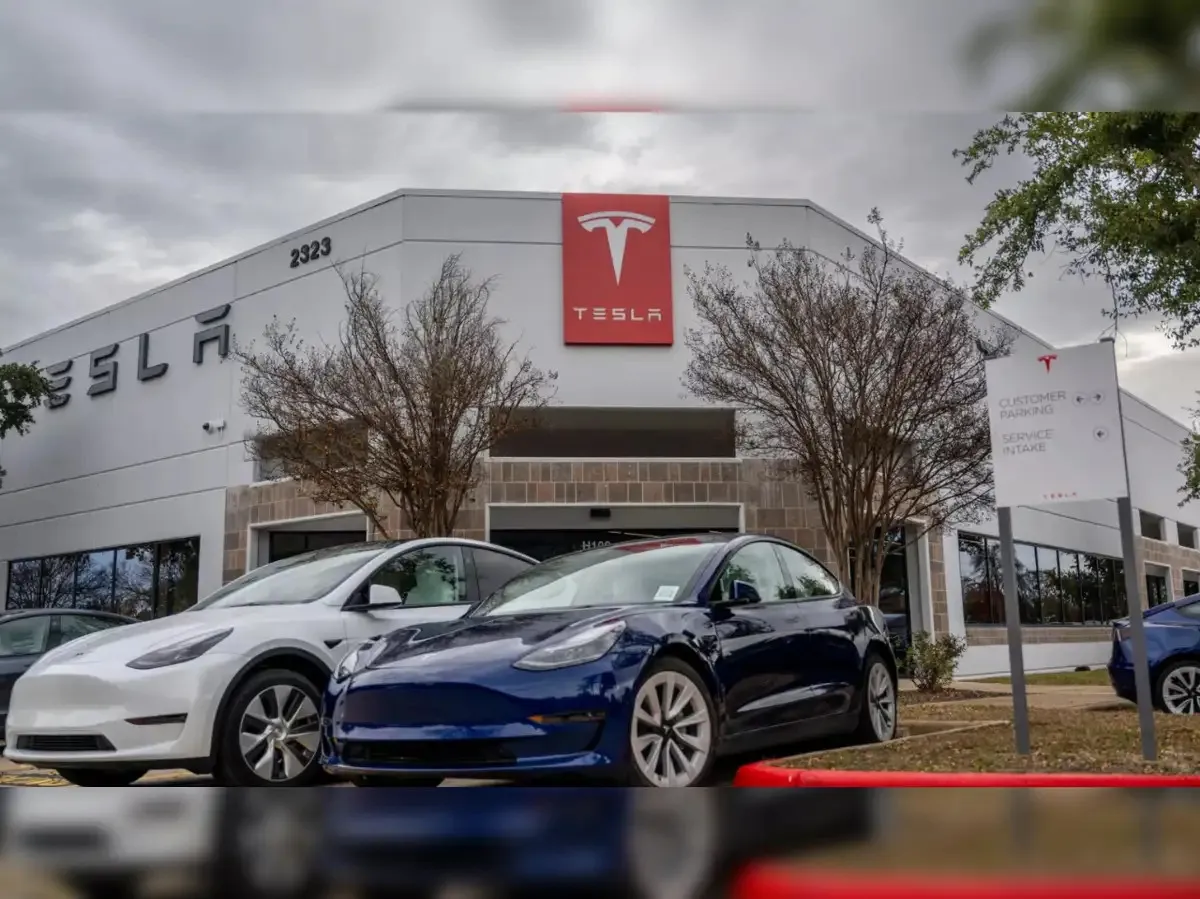
Tesla, the renowned electric vehicle (EV) manufacturer led by Elon Musk, has clarified its stance on entering the Indian market. Despite the Indian government's efforts to attract EV manufacturers through a new policy offering reduced import duties, Tesla has decided against setting up a manufacturing facility in India. Instead, the company plans to establish showrooms to sell its imported vehicles.
Tesla's Decision: No Manufacturing Plans in India
Union Minister for Heavy Industries, HD Kumaraswamy, announced that Tesla is not interested in manufacturing its electric vehicles in India. Instead, the company aims to open showrooms to sell its imported cars.
This decision comes after years of discussions between Tesla and the Indian government. Tesla had previously expressed concerns about India's high import duties and had sought reductions without committing to local manufacturing. The new policy attempted to address these concerns, but Tesla's stance remains unchanged.
Quote: Tesla only wants to open showrooms and sell imported cars
India's New EV Policy
The Indian government has unveiled a policy to promote the domestic manufacturing of electric vehicles. Key features include:
- Reduced Import Duties: Import tax on electric cars priced at $35,000 (approximately ₹30 lakh) or less has been slashed from 70% to 15%.
- Investment Requirement: Automakers must invest at least ₹4,100 crore (approximately $500 million) in local manufacturing facilities.
- Timeline: Manufacturing operations should commence within three years of the investment.
- Import Quota: Eligible companies can import up to 8,000 EVs annually at the reduced duty rate.
The policy aims to boost EV adoption in India, where electric vehicles currently account for only 2.5% of total car sales.
Tesla's India Presence
While Tesla has opted out of local manufacturing, the company is expanding its presence in India through retail outlets. Recently, Tesla secured its fourth office space in Mumbai's Kurla West, signaling its commitment to the Indian market.
These offices are part of Tesla's broader strategy to establish a foothold in India, focusing on sales and service infrastructure rather than production.
Global EV Manufacturers Eye India

Tesla's decision not to manufacture in India opens opportunities for other global automakers. Companies like Mercedes-Benz, Skoda-Volkswagen, Hyundai, and Kia have shown interest in setting up EV manufacturing units in India under the new policy.
Additionally, Vietnamese EV manufacturer VinFast is already building a factory in India, indicating the country's growing appeal as an EV manufacturing hub.
Remember: India's EV market is expanding rapidly, with domestic players like Tata Motors and Mahindra & Mahindra leading the charge.
India's EV Market
- Market Share: As of 2024, Electric vehicles constitute 2.5% of India's car market.
- Government Target: India aims to increase this share to 30% by 2030.
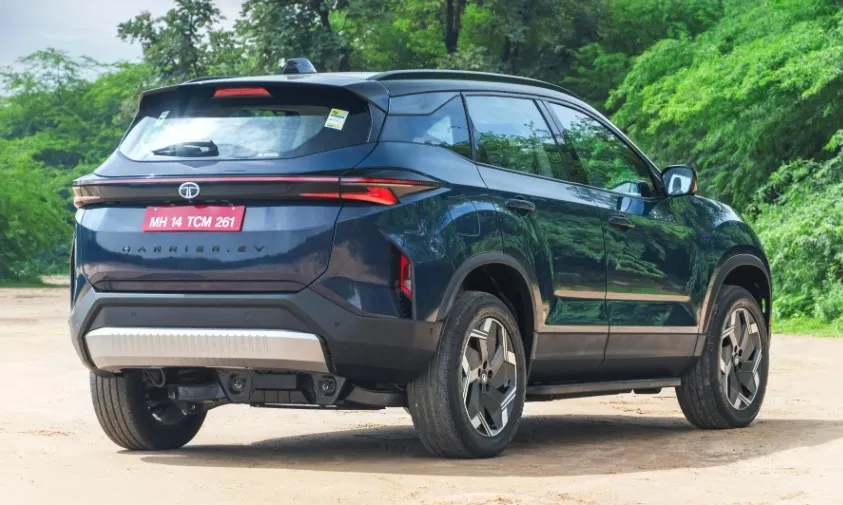
- Domestic Players: Indian companies like Tata Motors and Mahindra & Mahindra are leading the EV segment, with significant investments in local production.
- Charging Infrastructure: The country is expanding its EV charging network, with over 2,826 public charging stations operational as of July 2022.
Tip: For prospective EV buyers, it's essential to consider the availability of charging infrastructure in your area.
Understanding Tesla's Strategy
Tesla's decision not to manufacture in India may be influenced by several factors:
- Market Size: India's EV market, while growing, is still in its nascent stages compared to markets like China and the U.S.
- Infrastructure Challenges: Concerns about charging infrastructure and supply chain logistics may deter immediate investment.
- Strategic Focus: Tesla may be prioritizing markets where it already has a strong presence and established manufacturing facilities.
Note: Tesla has recently secured a deal with Tata Electronics to supply semiconductor chips, indicating some level of engagement with the Indian market.
The Road Ahead for Indian EV Enthusiasts
While Tesla's absence from local manufacturing may be disappointing for some, the Indian EV landscape is vibrant and evolving:
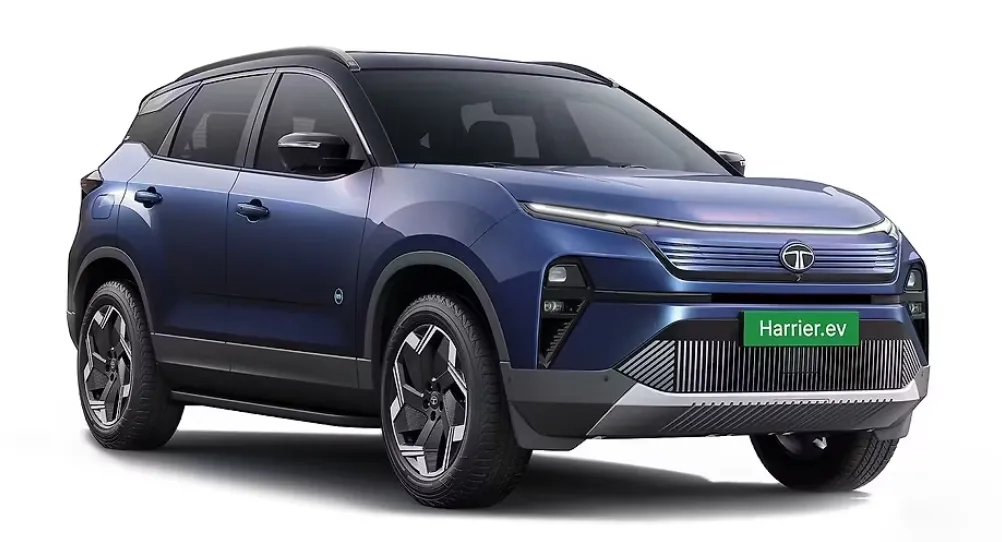
- Domestic Leaders: Companies like Tata Motors and Mahindra & Mahindra are producing affordable and reliable EVs tailored for Indian consumers.
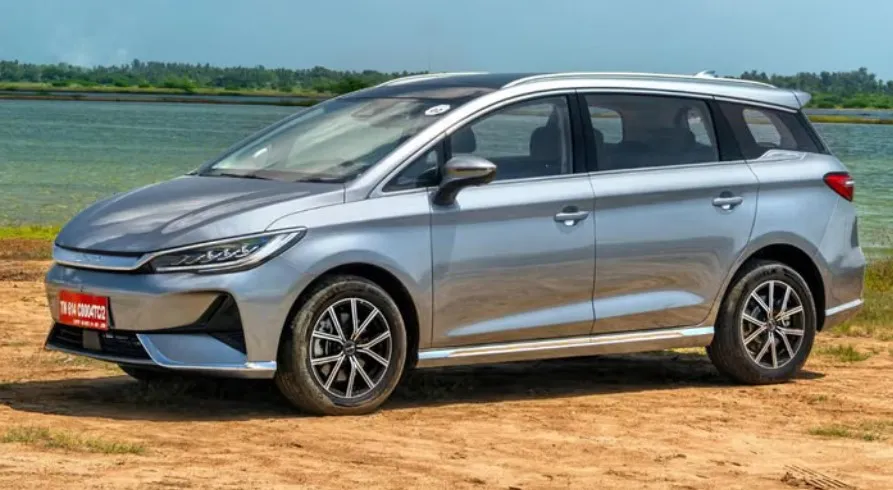
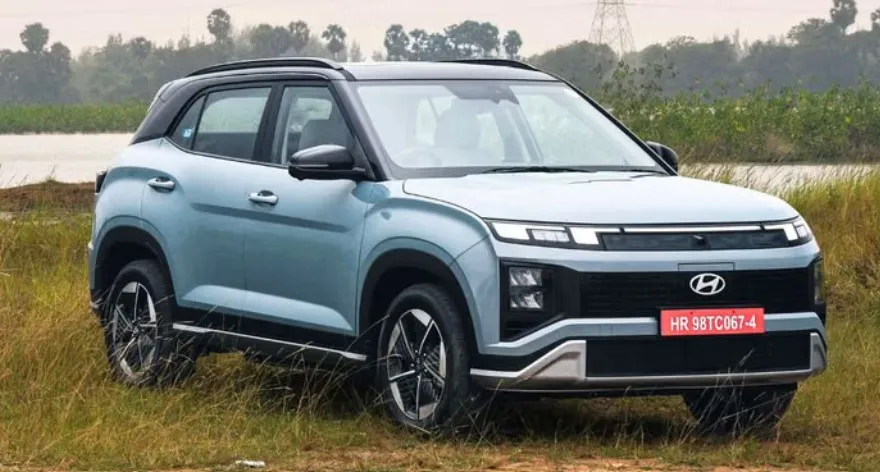
- Global Entrants: Automakers such as Hyundai, Kia, and Volkswagen are expanding their EV offerings in India.
- Government Support: Policies like the FAME scheme and state-level incentives are making EVs more accessible.
Quote: "The future is electric, and India is on the move," says an industry expert.
Tips for Prospective Buyers
- Stay Informed: Keep an eye on announcements from global and domestic EV manufacturers regarding new launches and investments in India.
- Evaluate Options: Consider both imported and locally manufactured EVs, weighing factors like price, after-sales service, and charging infrastructure.
- Government Incentives: Research state and central government incentives for EV buyers, which can significantly reduce the overall cost.
Final Thoughts
Tesla's decision to forgo local manufacturing in India highlights the complexities of entering emerging markets. However, India's proactive policies and the interest of other global automakers suggest a promising future for the country's EV sector.
For consumers, this translates to a broader range of EV options and the potential for more competitive pricing as the market evolves.
Note: The information provided is based on the latest available data as of June 4, 2025. For the most current updates, please refer to official announcements from Tesla and the Indian government.





,-x-line(o)-variants-launched-at-rs-21.57-lakh.webp)