
A New Fuel Revolution Is Here: Could E85 and E100 Fuels Change the Way You Drive?
As fuel prices rise and people become more concerned about pollution, many countries are looking for cleaner fuel options. One of the most talked-about alternatives today is ethanol-based fuel. Among these options, E85 and E100 fuels are gaining attention because they can help reduce harmful emissions and support renewable energy goals.
But what exactly are E85 and E100 fuels? How do they work, and should you care about them? Here is everything you need to know.
What Are E85 and E100 Fuels?
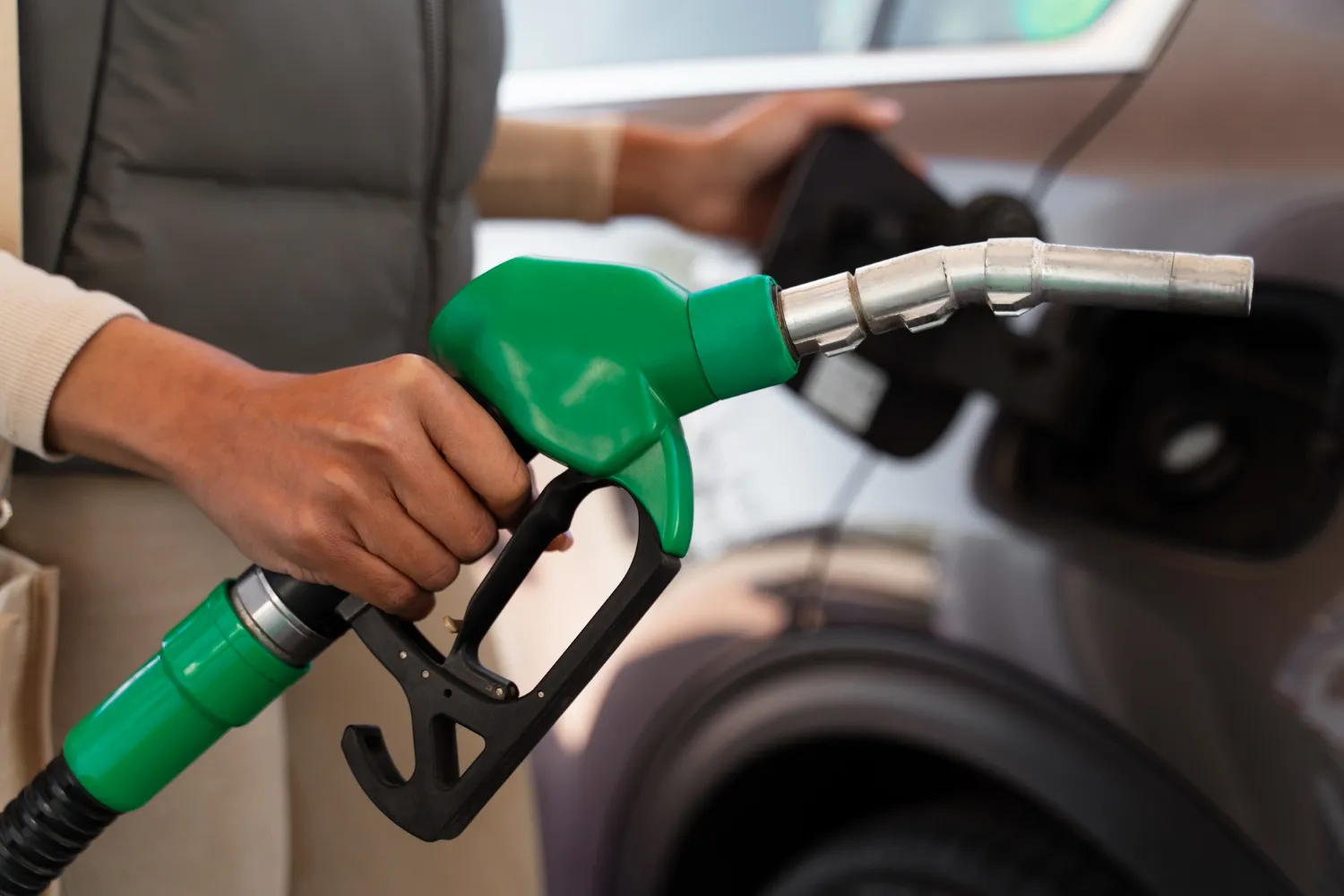
E85 and E100 fuels are types of ethanol fuel blends used in vehicles.
What Is E85 Fuel?
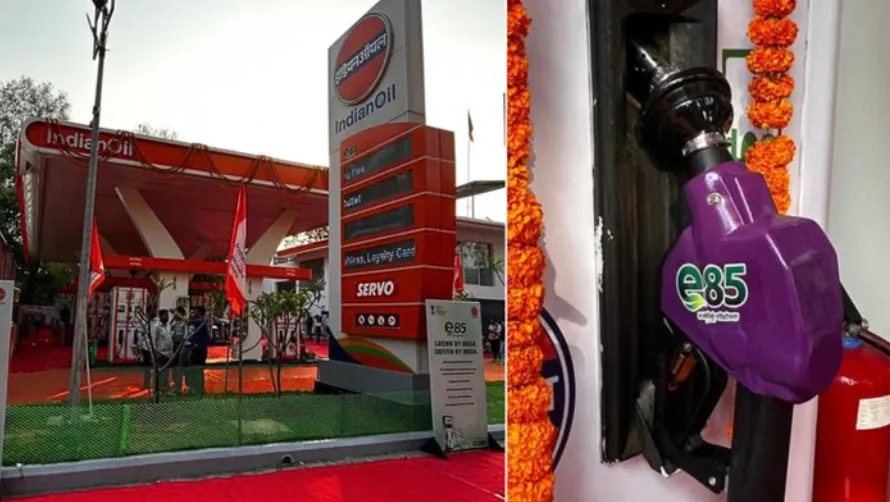
E85 fuel contains up to 85% ethanol and 15% gasoline. Ethanol is a renewable fuel made from crops such as sugarcane, corn, and other plant materials.
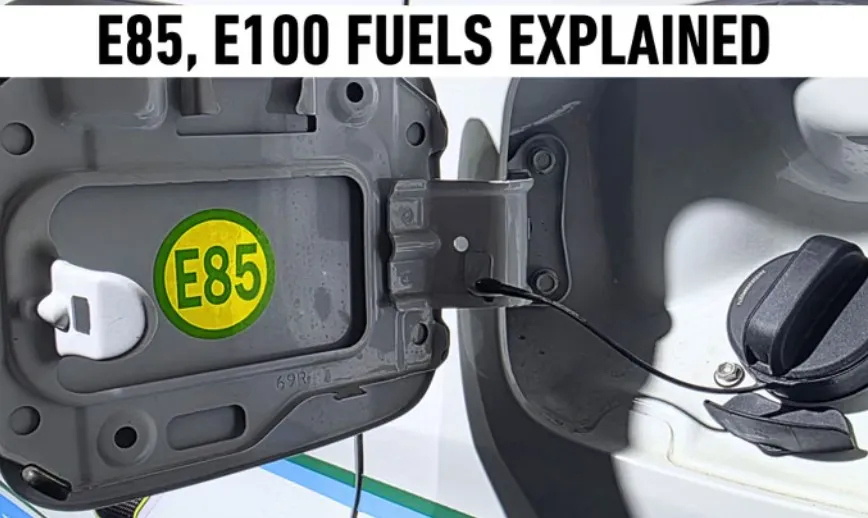
E85 is mainly used in Flex Fuel Vehicles (FFVs). These vehicles are specially designed to run on gasoline, ethanol blends, or a mixture of both.
What Is E100 Fuel?
E100 fuel is pure ethanol with little or no gasoline mixed in. It is commonly used in some countries, especially where ethanol production is high.
Vehicles running on E100 require special engine modifications because pure ethanol behaves differently from regular gasoline.
Why Are Countries Promoting Ethanol Fuels?
Governments around the world are encouraging the use of ethanol fuels for several reasons.
Reducing Pollution
Ethanol burns cleaner than traditional gasoline. This helps reduce harmful gases released into the atmosphere.
Lower Dependence on Crude Oil
Countries that produce ethanol locally can reduce their dependence on imported crude oil. This helps improve energy security and reduces fuel import costs.
Supporting Farmers
Ethanol production creates demand for crops such as sugarcane and corn. This can provide additional income opportunities for farmers and strengthen the agricultural sector.
Benefits of E85 and E100 Fuels
Many experts believe ethanol fuels can play an important role in the future of transportation.
Environment-Friendly Option
Because ethanol comes from renewable plant sources, it is considered a greener fuel option compared to fossil fuels.
Renewable Energy Source
Unlike petroleum, which takes millions of years to form, ethanol can be produced every year from agricultural crops.
Better Engine Performance in Some Cases
Ethanol has a higher octane rating than regular gasoline. In specially designed engines, this can improve performance and reduce engine knocking.
Economic Benefits
Local ethanol production can create jobs in farming, transportation, and fuel manufacturing industries.
Challenges of E85 and E100 Fuels
Although ethanol fuels offer many advantages, they also come with some challenges.
Lower Fuel Efficiency
Ethanol contains less energy than gasoline. As a result, vehicles may travel fewer kilometers per liter when using E85 or E100 fuel.
Vehicle Compatibility
Not all vehicles can use E85 or E100 fuels. Drivers must check whether their vehicle is approved for ethanol blends before filling up.
Infrastructure Requirements
Fuel stations need proper storage and distribution systems to handle high-ethanol fuels. Expanding this infrastructure takes time and investment.
How Is India Using Ethanol Fuels?
India has been actively promoting ethanol blending as part of its clean energy strategy.
Ethanol Blending Program
The government has increased ethanol blending in petrol to reduce oil imports and lower emissions. Several automobile manufacturers are also introducing flex-fuel vehicle technology for the Indian market.
Future Growth
Experts believe ethanol fuel adoption will continue to grow as India focuses on sustainable transportation and energy independence.
Should You Consider Vehicles That Use Ethanol Fuels?
If you are planning to buy a vehicle in the future, it is worth learning about flex-fuel technology. Ethanol-based fuels may become more common as governments and manufacturers work toward cleaner transportation solutions.
Before using E85 or E100 fuel, always check your vehicle's compatibility and follow the manufacturer's recommendations.
The Bottom Line
E85 and E100 fuels are becoming important alternatives to traditional gasoline. They offer environmental benefits, support renewable energy goals, and can help reduce dependence on fossil fuels. While challenges such as fuel efficiency and vehicle compatibility still exist, ongoing advancements in technology and infrastructure are making ethanol fuels a more practical option.
As countries continue to invest in cleaner energy solutions, E85 and E100 fuels could play a major role in shaping the future of transportation. Understanding these fuels today can help you stay informed about the next generation of automotive technology.