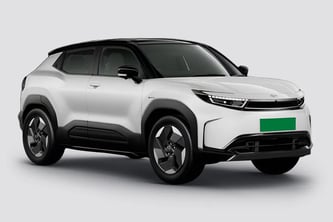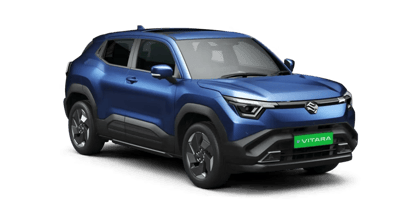

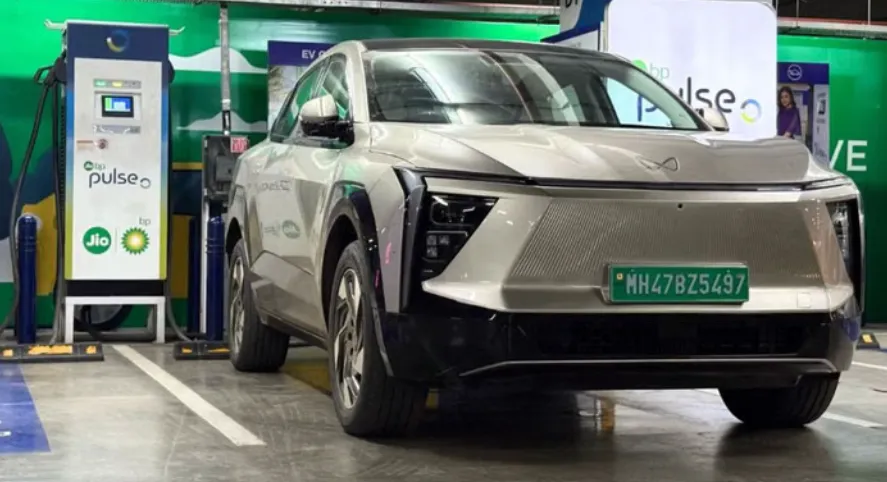
If you live in Karnataka and love electric vehicles (EVs), there’s an important update coming your way! The Government of Karnataka is planning to bring back a lifetime tax on electric vehicles. This means that very soon, you may have to pay a one-time tax when buying a new EV. Let’s understand what this means, why it’s happening, and how it might affect you.
What is a Lifetime Tax?
When you buy a car, bike, or scooter in India, you usually pay a one-time road tax. This is called a lifetime tax because you pay it once for the lifetime of the vehicle. The tax helps the government maintain roads and other transport facilities.
Earlier, Karnataka had removed the lifetime tax for electric vehicles to encourage people to buy more EVs. The idea was to make green and eco-friendly transport more affordable. But now, the government may bring this tax back.
Why Karnataka Wants to Reintroduce It
Karnataka has been a front-runner in promoting electric mobility. But recently, officials said that EV registrations are rising quickly, and the government wants to ensure proper revenue collection for road infrastructure and city maintenance.
The motor vehicle department has shared that while EVs are good for the planet, state finances are getting affected because they are tax-free. So, reintroducing a lifetime tax could help Karnataka balance its green goals with financial needs.
How Much Could the Lifetime Tax Be?
While the exact amount hasn’t been declared yet, sources within the transport ministry suggest it could be similar to regular vehicles—anywhere between 4% and 8% of the vehicle’s cost, depending on the type of EV.
For example:
- If you buy an electric scooter worth ₹1 lakh, you might pay around ₹4,000–₹8,000 as lifetime tax.
- If you buy an electric car worth ₹12 lakh, the tax could be ₹48,000–₹96,000.
These are just estimates, but they give you an idea of what may happen once the rule starts.
What It Means for You
If you’re planning to buy an electric vehicle soon, now might be the best time! Once the lifetime tax is officially reintroduced, EV prices could go up slightly.
Here’s what you can do:
- Buy early to enjoy existing tax benefits.
- Check official government updates regularly.
- Compare EV models and costs before the new rules begin.
Remember, EVs still help you save on fuel, reduce pollution, and lower maintenance costs compared to diesel or petrol vehicles.
What the Government Says
A senior Karnataka transport official said, “We’re reviewing the old policy and will announce updates soon. Our goal is to support green vehicles while ensuring fair tax revenue infrastructure growth.”
This means the change won’t happen overnight. The government plans to hold meetings with EV makers, local politicians, and transport associations before finalizing the decision.
You May Also Like to Read this Article - Crude Oil Prices Drop After Ceasefire Announcement
Public Reaction in Karnataka
Many people who already own electric scooters or cars are sharing mixed reactions. Some say the lifetime tax will make EVs expensive again, while others feel a small tax is fair because every vehicle uses state roads.
Auto dealers in Bengaluru and Mysuru also said new buyers are rushing to book their EVs before the tax returns. The overall excitement shows how fast Karnataka’s transport system is changing.
What Experts Think
EV experts believe Karnataka’s move could be a turning point. On one side, it might slow down new sales for a short time. But on the other, handit could help the state fund better charging stations and road networks.
So, while a lifetime tax may sound like an extra expense, it may help create a stronger EV ecosystem in the long run.
The Road Ahead
Karnataka was one of the first states to give complete tax exemption to EVs to promote clean energy. Now, with EV adoption growing fast, a balanced approach is expected.
As a responsible citizen, you can do your part by:
- Choosing eco-friendly vehicles.
- Supporting clean transport.
- Following updates from Karnataka’s Transport Department.
Even with the tax, electric vehicles remain one of the best ways to save money, protect nature, and drive towards a cleaner tomorrow.