
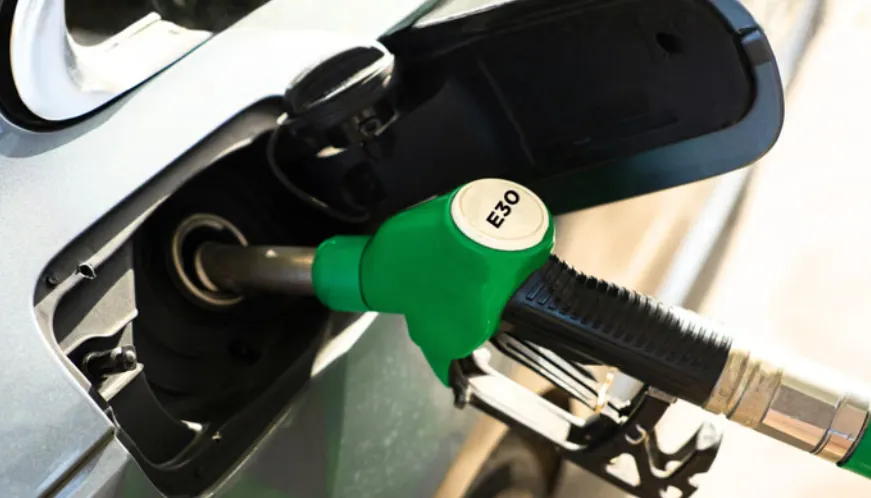
India is moving one step ahead in cleaner fuel technology, and this new government decision may change the future of petrol vehicles for you.
The Government of India has officially notified new standards for petrol blends beyond E20. This means petrol in the future may contain more than 20% ethanol mixed with fuel. The decision is part of India’s big plan to reduce pollution, cut fuel imports, and support farmers who produce crops used for ethanol.
At present, E20 fuel means petrol mixed with 20% ethanol. Now, the government is preparing the country for higher blends like E30 and beyond. This move is important for car companies, fuel stations, and vehicle owners across India.
The new standards will help fuel companies maintain quality and safety while using higher ethanol blends in petrol.
What Are Petrol Blends?
Understanding Ethanol-Blended Petrol
Petrol blends are made by mixing ethanol with petrol. Ethanol is a type of alcohol made from crops like sugarcane, maize, and rice.
For example:
- E10 = 10% ethanol + 90% petrol
- E20 = 20% ethanol + 80% petrol
Now the government is planning for blends beyond E20, which means petrol may soon contain more ethanol than before.
This helps reduce the use of pure petrol and lowers harmful emissions from vehicles.
Why Has the Government Introduced These Standards?
India Wants Cleaner and Cheaper Fuel
The government says the new standards are important for many reasons.
Reducing Pollution
Vehicles create smoke and harmful gases. Higher ethanol blends can help lower pollution levels and improve air quality.
Reducing Fuel Imports
India imports a large amount of crude oil from other countries. By increasing ethanol use, India can reduce its dependence on imported fuel and save money.
Helping Farmers
Ethanol is produced using agricultural products. More ethanol demand means farmers may get better opportunities and higher income.
Supporting Green Energy Goals
India is focusing on cleaner energy and lower carbon emissions. The new fuel standards are part of this long-term environmental plan.
What Will Change for Vehicle Owners?
Your Vehicle May Need Compatible Fuel Systems
Not every vehicle is designed for higher ethanol blends. Some older vehicles may face issues if they use fuel beyond E20.
Car manufacturers may now start developing engines and fuel systems that support E30 or higher blends safely.
If you own a newer vehicle, you should check your vehicle manual or ask the manufacturer about fuel compatibility.
Impact on Car Manufacturers
Automobile Companies Must Prepare Early
The new government standards will push automobile companies to improve engine technology.
Manufacturers may need to:
- Upgrade fuel systems
- Improve engine durability
- Test vehicle performance with higher ethanol blends
- Ensure smooth driving experience for customers
Many companies in India have already started preparing vehicles compatible with E20 fuel. Now they may also focus on future-ready engines for higher blends.
What Fuel Stations Need to Do
Petrol Pumps May Upgrade Infrastructure
Fuel stations will also need changes to store and supply higher ethanol-blended petrol safely.
Storage tanks, pipelines, and fuel dispensing systems may require upgrades to handle these new blends properly.
Oil companies are expected to work closely with the government to make the transition smooth for customers.
Benefits of Higher Ethanol Petrol Blends
Cleaner Environment
Higher ethanol use can reduce harmful emissions and support cleaner air in cities.
Better Energy Security
India can become less dependent on foreign oil imports.
Support for Rural Economy
Farmers and ethanol producers may benefit from increased demand.
Future-Ready Fuel System
The move prepares India for cleaner and more sustainable fuel technology in the coming years.
Challenges That May Come
Vehicle Compatibility Issues
Some older vehicles may not support petrol blends beyond E20.
Infrastructure Costs
Fuel stations and oil companies may need to spend money on system upgrades.
Public Awareness
Many people still do not fully understand ethanol-blended petrol. The government and companies may need to educate consumers properly.
You May Also Like to Read this Article - Honda Announces New Product Development Approach For India
Government’s Long-Term Vision
India Is Moving Towards Sustainable Mobility
The government wants India to become a global leader in cleaner fuel usage. Ethanol blending is seen as an important step in reducing pollution and building a stronger energy future.
Experts believe that if the transition is managed properly, India can benefit economically and environmentally at the same time.
This decision also shows that the country is preparing for future fuel technologies while balancing the needs of vehicle owners, industries, and farmers.
Conclusion
The government’s notification of standards for petrol blends beyond E20 is a major step toward cleaner fuel and a greener future. While there may be challenges in the beginning, the long-term benefits could help the environment, reduce fuel imports, and support India’s economy.
For vehicle owners, it is important to stay informed and understand whether their vehicles are ready for higher ethanol blends. As fuel technology changes, India is slowly moving toward a more sustainable transportation system for everyone.













,-x-line(o)-variants-launched-at-rs-21.57-lakh.webp)