
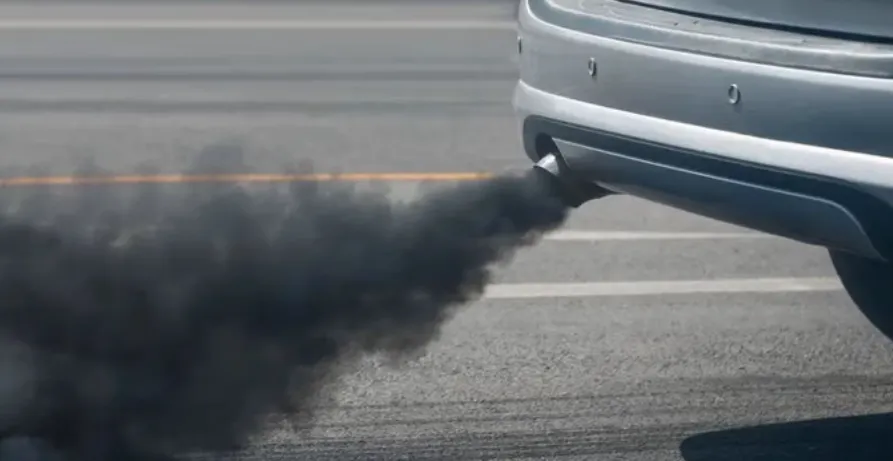
Big changes are coming to our cars—and maybe getting a little late. The Indian government is thinking of delaying a new rule called CAFE‑III Fuel Efficiency Norms that was supposed to start in April 2027. This rule will decide how much fuel cars can use and how much pollution they can make. If you own a car, plan to buy one, or just care about clean air, this news is for you.
What Are CAFE‑III Fuel Efficiency Norms?
CAFE stands for Corporate Average Fuel Efficiency. Think of it as a report card for car companies. Every car company has to make sure that its average fuel efficiency across all its cars is good enough.
- CAFE‑III will ask carmakers to reduce CO₂ (carbon dioxide) from cars even more.
- The target is about 88.4 g/km by 2027, and it will get stricter by 71.5 g/km by 2032.
- This means cars should use less fuel and pollute less.
So if you fill 10 litres of petrol today, in the future you might be able to drive more distance with the same fuel, which is good for your pocket and the planet.
Why Is the Government Thinking of Delaying CAFE‑III?
The government has not yet made a final decision, but it is discussing a delay beyond April 1, 2027.
- Some car companies say the new targets are too strict.
- They also say they need more time and support to change their cars and factories.
- There are also differences between companies in how to test the cars and how to treat small cars and electric vehicles.
Because of these talks, the exact CAFE‑III rules are still being discussed, and the start date may be pushed back. No official notice has come yet, but many experts believe some change in the timeline is likely.
How Will This Affect You?
Even if you are not a car expert, CAFE‑III rules will touch your life in simple ways:
- Fuel Prices and Your Bills
- More fuel‑efficient cars mean you fill petrol/diesel less often.
- Over time, you may save money at the fuel pump.
- Car Prices and Choices
- If companies need to change engines, add new technology, or make more electric cars, prices may rise a little.
- But you will also get more eco‑friendly and efficient cars.
- Air Quality and Health
- Fewer emissions mean cleaner air in cities.
- This can help reduce breathing problems, especially for children and elders.
So, if you are thinking of buying a car in the next 5–10 years, knowing about CAFE‑III can help you choose a more fuel‑saving and environmentally friendly model.
What You Can Do Now
You don’t have to wait for the government to act. Here are some simple steps you (and your family) can take:
- Check the fuel‑efficiency of a car before buying it.
- Prefer hybrid or CNG models if you drive a lot.
- Drive smoothly—avoid sudden acceleration and braking, which increases fuel use.
- Keep tyres inflated to the correct pressure; this helps save fuel.
If you are planning to buy a car closer to 2027–2030, ask the dealer:
“Is this model designed to meet future fuel‑efficiency rules (CAFE‑III)?” This can help you get a car that stays valuable and efficient for many years.
You May Also Like to Read this Article - Tata Sierra Scores 5-star Safety Rating in BNCAP Crash Tests.
What Comes Next?
The government is still talking with car companies, experts, and environmental groups. After these talks, three things can happen:
- CAFE‑III starts on time in April 2027.
- CAFE‑III is delayed but still made stricter.
- CAFE‑III has been changed or softened with easier targets.
Whichever option the government chooses, the main goal is the same: less fuel use, lower pollution, and cleaner, healthier cities for you and future generations.




















,-x-line(o)-variants-launched-at-rs-21.57-lakh.webp)