
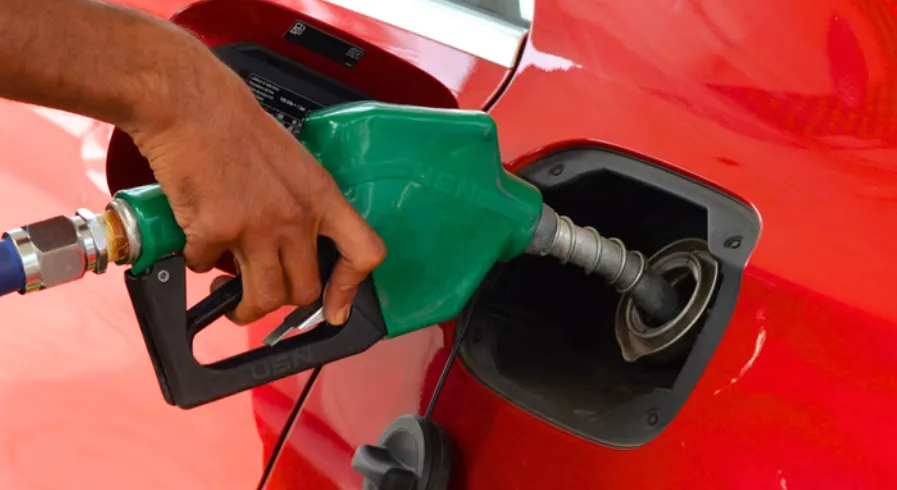
New rule for cleaner, stronger petrol: from April, the fuel you put in your vehicle must meet a Minimum 95 Octane Rating across India.
What Is Changing From April?
The Government of India has ordered that all petrol sold in the country will have a Minimum 95 Octane Rating from April 1, 2026.
This petrol will also be E20 petrol, which means it will have up to 20% ethanol mixed in it.
Oil companies must follow this rule in all states and Union Territories.
The rule is written in a notification from the Ministry of Petroleum and Natural Gas.
Simple Meaning of Minimum 95 Octane Rating
Octane rating shows how strong and stable petrol is inside your engine.
A Minimum 95 Octane Rating means the petrol will not burn too early and will reduce a harmful effect called “knocking” in the engine.
When knocking happens, the engine makes strange sounds, loses power, and can get damaged over time.
So, a higher octane rating helps your engine run smoother, safer, and more efficiently.
Why Is the Government Doing This?
The new rule has three main goals that affect you and your family directly.
- To make petrol better for your vehicle’s engine by using higher octane fuel.
- To cut India’s dependence on costly imported crude oil by using more ethanol made in India.
- To reduce air pollution and support farmers who grow crops like sugarcane and maize used for ethanol.
Ethanol is made from plants, so it is a cleaner, home-grown fuel.
This can help the country save foreign money and give farmers more income.
What It Means for Your Vehicle
Most new vehicles made from around 2023–2025 are already designed to run on E20 petrol with Minimum 95 Octane Rating.
If you buy a new car or bike now, it is likely already E20-ready as per company information.
For older cars and bikes, some changes may be felt.
- Some older vehicles may see a small drop in mileage, around 1–7%, when using E20 petrol.
- In very old models, rubber or plastic parts in the fuel system may slowly wear out over time.
However, the higher octane level will still help reduce engine knocking and protect the engine in many cases.
The government can also give special, short-term relaxations in some areas if needed during the change.
How This Change Touches Your Daily Life
You will continue to go to the same petrol pump, but the standard petrol you get will now meet Minimum 95 Octane Rating and E20 blending rules.
You may notice new labels like “E20” or “95 RON” on the fuel pump board.
- If you drive a car, bike, or scooter daily, this change is meant to give better fuel quality in the long run.
- If someone in your family is a farmer, higher ethanol demand can create more market for crops like sugarcane and grains.
There may be some worry about mileage in older vehicles, but studies suggest only a small reduction for most users.
On the positive side, cleaner fuel and more ethanol can mean less smoke and pollution in crowded cities.
You May Also Like to Read this Article - Kia Syros EV Spied in India Ahead of its 2026 launch
What You Should Do Next
You can take a few simple steps to stay safe and smart with this new Minimum 95 Octane Rating rule.
- Check your vehicle manual or company website to see if your model supports E20 petrol.
- Ask your service center or mechanic if there are any parts that may need checks in an older vehicle.
- Start filling at pumps that clearly show E20 and 95 RON labels to be sure you get the right fuel.
If you plan to buy a new vehicle, ask the dealer clearly: “Is this model E20 and Minimum 95 Octane Rating compatible?”
By asking questions and checking labels, you and your family can make safer fuel choices and support cleaner energy for India.
























,-x-line(o)-variants-launched-at-rs-21.57-lakh.webp)