

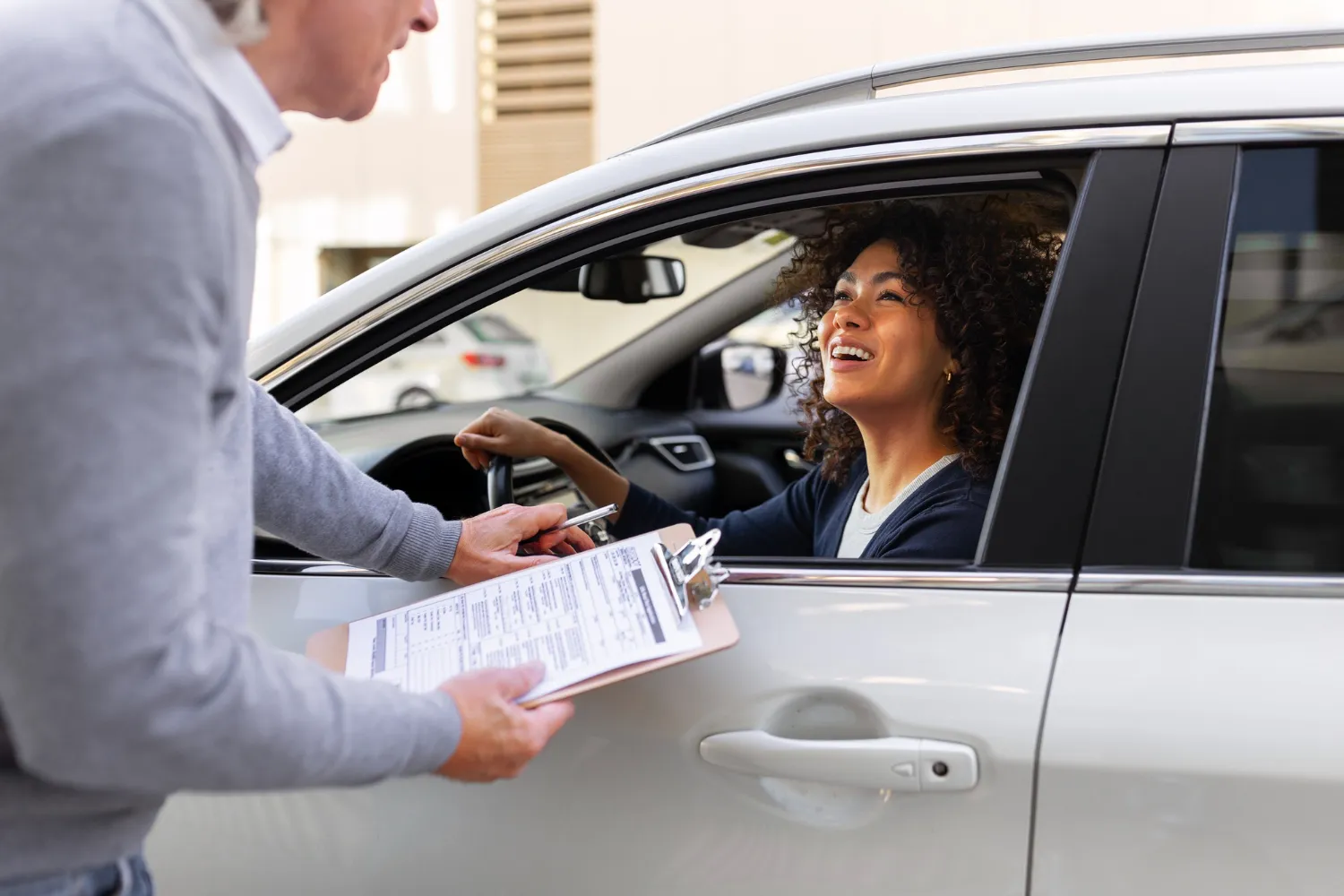
Imagine someone breaking a rule, getting a ticket, and then simply ignoring it—what if I told you that on Indian roads this happens again and again, and most of the time the ticket (or “challan”) is never paid?
Traffic rules are meant to keep you, me, and everyone safe on the road. But the reality is: a large number of traffic fines—or vehicle challans—are neither paid nor enforced properly. In this blog, we’ll explore why around 70–80% of challans go unpaid in India, what this means for all of us, and what you can do about it. We will explain in simple words so that even a 4th-standard student can understand, and we’ll include tips, notes, quotes, and real statistics with reliable sources. Let’s start.
What is a Challan?
Definition: A “challan” in the traffic sense means a penalty notice issued to a driver or vehicle owner for breaking a traffic rule. For example: overspeeding, not wearing a helmet, jumping a red light, etc. When a vehicle commits a violation, the enforcement authority (traffic police or automated system) issues a “vehicle challan”.
Why it matters: The idea is that if you break a rule, you pay a fine (or take corrective action), so that rules become meaningful, and roads become safer. If a lot of these fines go unpaid, then the deterrent effect of the rule gets lost.
What Are “Vehicle Challans”?
“Vehicle challans” refer to all the traffic offence tickets issued to vehicles (two-wheelers, four-wheelers, commercial vehicles) across India.
Examples of violations for which vehicle-challans are issued:
- Not wearing a helmet on a two-wheeler.
- Driving without a seatbelt.
- Over-speeding.
- Jumping a red light.
- Illegal parking.
- Driving without insurance/fitness.
These vehicle challans, when issued, are supposed to be paid. If they are unpaid, the violator remains free without facing consequences—and that erodes trust in the system.
What Do the Numbers Show?
Let’s look at some key statistics (so you can see the scale of the problem):
- A report by CARS24 found that in 2024, over ₹12,000 crore worth of traffic fines were issued in India. Yet about 75% of that amount remained unpaid.
- According to the same report, over 8 crore vehicle challans were issued in 2024 — about one for every two vehicles on the road.
- In the capital city, New Delhi, from 2021-2024, more than 3 crore vehicle challans were issued, and over 84% remain unpaid. For 2024 alone, the unpaid rate rose to 94.3% (70.3 lakh unpaid of 74.5 lakh issued).
- In one region (State of Chandigarh), data shows: out of 10,15,518 vehicle challans issued in 2024, more than 7,53,932 remained unpaid. That’s about 74% unpaid.
- According to a government release, as of 29 July 2025, a total of 35.79 crore vehicle challans amounting to ₹53,715.34 crore have been issued in India; of these, only 13.65 crore were disposed (i.e., paid/cleared), generating revenue of ₹20,027.70 crore.
Note: These numbers show there is a huge gap between issuing fines (challans) and collecting them.
Why Do So Many Challans Stay Unpaid?
Now let’s dive into why this happens. There are multiple reasons—and understanding them helps you see where things go wrong (and what can be done).
1. Weak Enforcement and Follow-up
- Issuing a challan is one thing; collecting it is another. If there is no strong system to make offenders pay, many just ignore it.
- In many places, even if offences are captured by cameras (CCTV or ANPR systems), follow-up actions (like licence suspension, court proceedings) don’t always happen. For example, in one city, over 30 lakh vehicle challans had been issued, but only about 9.6% were forwarded to courts.
- When the system for payment or tracking is complicated, people may feel it’s easier to ignore the fine rather than pay.
2. Poor Payment Mechanisms / Lack of Awareness
- Some people may not know they have a pending challan. The notification might not reach them: missing mobile numbers, no update of address, or wrong details.
- The process to check and pay may be unclear or inconvenient—especially for people not comfortable with online payments.
- Example: In one region, many vehicular registrations had incorrect contact numbers, so notices did not reach the owners.
3. Low Fear of Consequence / Lack of Deterrent Value
- If you know that even after being fined, you may not have to pay, the threat of a fine doesn’t deter violations.
- Many offenders believe that “nothing will happen” if they just avoid paying, or they believe they can negotiate a smaller payment later.
- In the survey by CARS24, only 43.9% of drivers said they comply with traffic rules even when police are not present. 31.2% said they only follow rules if they spot police. 17.6% said they actively monitor their surroundings to avoid fines.
4. Cultural / Behavioural Issues
- In some cases, traffic rules are not taken seriously. There may be a mindset: “I’ll do what I want, and if I get caught, I’ll deal with it later.”
- Paying the fine may be seen as an optional cost rather than an obligation.
- When many people flout rules and don’t pay, it creates a culture of non-compliance — one person sees the other get away with it and thinks they can too.
5. Systemic & Administrative Gaps
- Data systems may not be fully integrated: vehicle registration databases, challan databases, and payment tracking might not be linked or updated promptly.
- The enforcement agencies might lack the manpower or technology to track offenders who don’t pay.
- Some states/regions may have amnesties or waive fines to clear old pending challans, which can reduce the enforcement pressure. For example, a state offered up to 45% waiver to clear 31 lakh unpaid vehicle challans worth over ₹1,265 crore.
6. High Volume of Challans — Overwhelming The System
- Because so many vehicle-challans are issued (for example, millions in a year), the task of tracking all of them and collecting payment becomes huge. The backlog and pending pile grow.
- Example: The government release shows 35.79 crore vehicle challans issued (as of July 2025) and only ~13.65 crore disposed.
What Are the Consequences of Unpaid Challans?
When vehicle-challans go unpaid, the impact is not just on the traffic department. It affects the society at large—including you and me.
Road Safety Gets Weaker
- If rules are not enforced, drivers may feel they can break them with impunity. That increases accidents, injuries, and even fatalities.
- Example: The report by CARS24 linked the high number of unpaid challans to weaker deterrence and thus more risk on roads. CARS24
Loss of Public Revenue
- Fines are meant to both punish violations and fund traffic management or road safety initiatives. If 70–80% of fines are not collected, that is a lost opportunity for funding safer roads and better enforcement.
Erosion of Trust and Civic Discipline
- If many people avoid paying, others may think “why should I?” – this lowers civic discipline.
- Courts and authorities may get overloaded with cases of non-payment, which costs time and money.
Administrative Burdens & Backlog
- A large backlog of unpaid vehicle-challans means enforcement agencies spend more time tracking defaulters rather than preventing violations.
- The pile-up of unpaid fines may discourage new enforcement efforts.
Personal Consequences for Offenders
Although many fines go unpaid, there are consequences for persistent defaulters. For example:
- Suspension of the driving licence or registration certificate of the vehicle.
- Higher insurance premiums (in some cases) or difficulty in selling the vehicle if there are outstanding challans.
- A court summons or additional legal complications may arise if the offence is serious.
Why the Focus on 70-80%?
You might ask: “Why do we say 70–80% of challans stay unpaid?” Here’s why:
- The CARS24 report shows ~75% of all fines (vehicle challans) remain unpaid in 2024.
- In Delhi, one major city, the unpaid rate rose to 94.3% in 2024 (almost all) after years of around 80%.
- In Chandigarh, ~74% of vehicle-challans went unpaid in one year.
So “70–80%” is a reasonable estimate of the national picture (some places worse, some perhaps slightly better). It signals a systemic issue.
Why Should You Care?
Because road rules affect everyone. Whether you ride a bicycle, a two-wheeler, a car, or travel as a pedestrian:
- Your safety depends on other drivers following the rules (speed limits, red lights, helmets, seat belts).
- Your community’s safety depends on how well enforcement works—if many people ignore laws, the chance of dangerous driving increases.
- Even if you follow rules and pay your fines on time, if many others don’t, the system becomes unfair and less effective.
- Unpaid fines may indirectly affect you, because less revenue for road and traffic infrastructure may mean poorer road safety measures or higher costs for others.
What You Can Do – Tips & Notes
Here are some Tips, Notes, and reminders to help you act and stay responsible.
Tips
- Check for pending challans: Visit official portals (for example, the national “e-Challan” portal) and check if there are any fines against your vehicle or licence.
- Pay early: If you get a vehicle challan, pay it promptly. The longer you delay, the harder it might get (late fees, legal action).
- Keep your contact details up-to-date: Make sure your vehicle registration has the correct mobile number and address so you receive notifications.
- Follow traffic rules consistently, whether police are present or not. If you drive responsibly, you protect yourself and others.
- Educate others: Share with family and friends about the importance of paying fines and following rules. A culture change begins with individuals.
Notes
- Note: Payment of a fine doesn’t mean you’re “safe forever” — you still need to follow traffic laws every day.
- Note: If you believe a fine is wrong, you have a right to challenge a vehicle-challan. Many portals provide a grievance mechanism.
- Note: Non-payment of fines may lead to legal consequences later, so ignoring them is not a good strategy.
- Note: The system is improving in many places with online payments, e-challan systems, and automation—but that doesn’t guarantee every fine will be collected unless you act.
Remember
- Remember: Challans are not just punitive; they are part of making roads safer for everyone — you, your loved ones, other road-users.
- Remember: If others are breaking rules and not paying, it does affect you indirectly.
- Remember: Paying a fine is not an admission of “guilt” in a broad sense—it is the cost of breaking a rule, and settling it helps restore order.
- Remember: Being a responsible driver is not just about avoiding fines—it’s about caring for your life and others’ lives.
You May Also Like to Read this Article - Petrol vs Diesel Car Better Resale Value in 2025
What Needs to Change?
To reduce the 70–80% unpaid rate of challans, several things need to happen. This is more for policymakers and authorities, but you, as a citizen, can support or demand these changes.
Better Enforcement & Follow-through
- Automated detection plus strong follow-up: If cameras issue a vehicle-challan, there should be a streamlined process to notify the owner, collect payment, and enforce consequences if unpaid.
- Integration of databases: Vehicle registration, licence database, challan records, and payment records should all talk to each other so there are fewer gaps.
- Clear legal consequences for repeat defaulters: licence suspension, registration freeze, etc.
Easier Payment & Awareness
- The payment process must be easy: online, offline, via mobile apps—so that even people without high-tech skills can pay.
- Clear communication: When you get a vehicle-challan, you should know how to pay it, where to pay it, and what happens if you don’t.
- Ensure contact details (mobile number, address) are accurate so the notice reaches the owner.
Cultural Shift and Public Attitude
- Rule-following must become part of the civic mindset—not just driven by fear of penalty. The CARS24 report emphasised: “Every traffic violation is a silent vote against civic order.”
- Education in schools, public campaigns to make people understand that safe driving is not just “me not getting caught” but about responsibility for lives.
Data & Transparency
- Publish statistics: how many vehicle-challans were issued, how many paid, how many unpaid, in each city/state. Transparency builds pressure and trust.
- Use data to target high-violation zones, repeat offenders, and vehicle types with many unpaid fines.
Incentives & Disincentives
- More severe disincentives for non-payment: vehicle registration renewal blocked, licence renewal blocked, and insurance claims impacted.
- Possible incentives for timely payment: a smaller fine for early payment, or a discount for first-time offenders who pay promptly.
FAQ’S
1. Why do most challans in India remain unpaid?
Around 70–80% of challans in India remain unpaid mainly due to weak enforcement, poor tracking systems, and a lack of awareness among vehicle owners. Many people either don’t receive notifications or assume non-payment has no consequences. Complex payment processes and limited digital literacy also make it harder for citizens to clear their challans on time.
2. What happens if you don’t pay a traffic challan in India?
If a traffic challan remains unpaid, authorities can take actions such as suspending your driving license, blocking vehicle registration renewal, or issuing a court summons. In some cases, police can seize the vehicle during checks. Ignoring unpaid challans can also lead to penalties, legal notices, and higher fines during future violations.
3. How can I check if I have any unpaid challans?
You can check your unpaid challans online through the official Parivahan e-Challan portal (echallan.parivahan.gov.in) by entering your vehicle number or driving license number. Many state transport websites and mobile apps also allow you to view and pay pending challans easily. Always verify details like violation date, location, and fine amount before making payments.
4. Can an unpaid challan affect vehicle resale or transfer?
Yes. Unpaid challans can delay or block the resale or ownership transfer of your vehicle. During RC transfer or NOC verification, pending fines appear in government records. Most buyers now check the challan history before purchasing. Paying all dues ensures a smooth ownership transfer and prevents legal issues later. Always clear pending challans before selling your vehicle.
5. Is it possible to dispute or cancel a wrong challan?
Yes. If you believe a challan was issued by mistake, you can file a dispute on the official e-Challan portal or visit your local traffic police office with valid proof like dashcam footage or GPS data. Authorities will review your case and cancel the challan if the violation record is incorrect. Disputes must be filed promptly.
Conclusion
The fact is: 70–80% (in many places more) of vehicle-challans stay unpaid in India. This is not just a number; it has real consequences: for road safety, for civic discipline, for you and me.
But here’s the good news: you can do something about it. When you pay your fines and when you follow rules consistently, you help the system become stronger. When you update your vehicle’s contact details, you help ensure you get timely notices. When you share this message with others, you contribute to a culture of responsibility.
So next time you’re on the road, riding or driving, ask yourself: Am I following the rules not only because I might get a challan, but because I choose to drive safely? If you do—then you’re part of the solution.
Let’s make our roads safer, our rule systems stronger, and reduce this huge backlog of unpaid vehicle-challans together.