

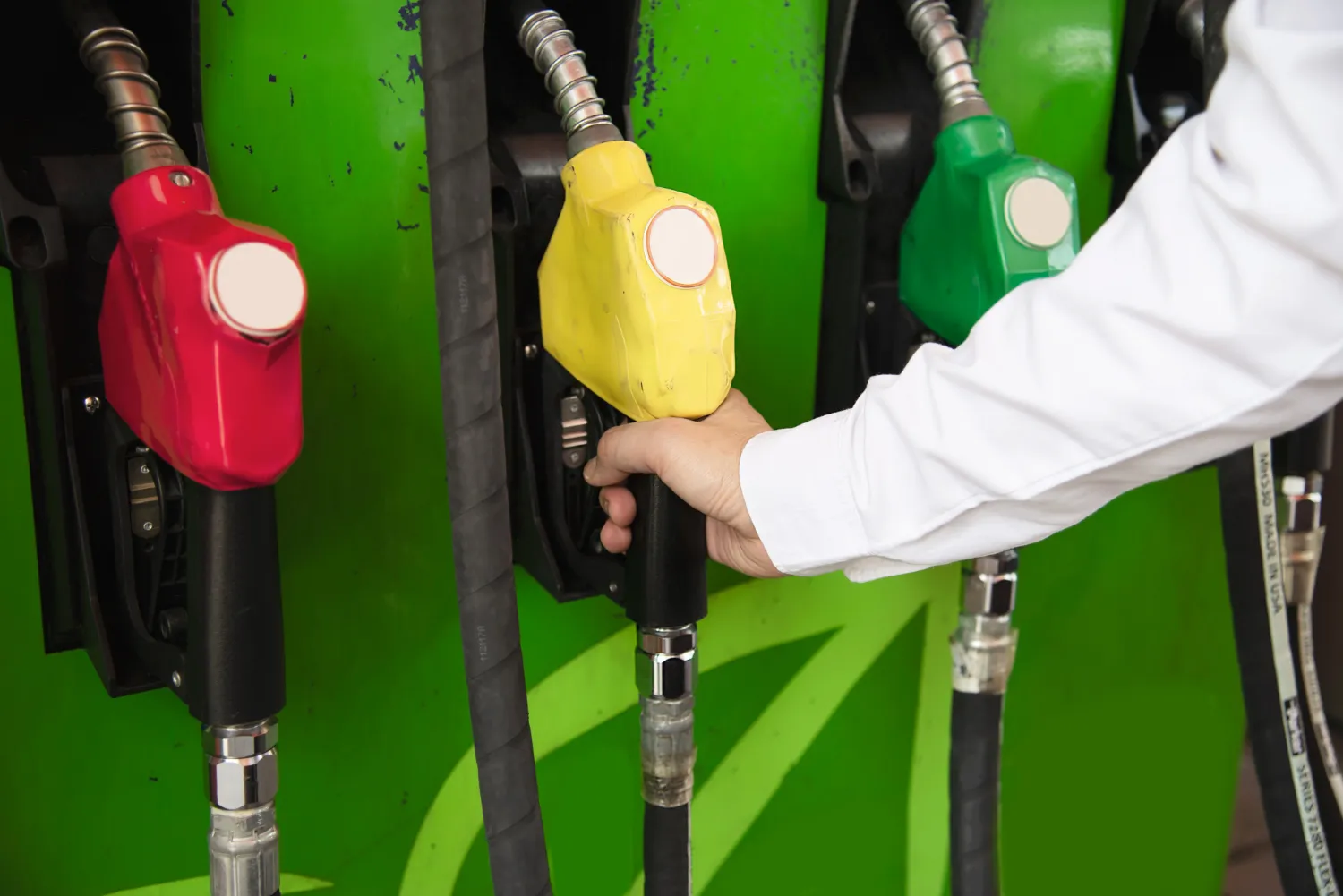
“Would you rather buy a car today and make money from it later, or watch it lose value day by day? Let’s dive into Petrol vs Diesel Car resale value in 2025 and help you pick wisely!”
When you buy a car, one of the things you may not think about first is: how much you can sell it for later. This is called resale value. For many people, resale value matters a lot, especially if you plan to change your car after a few years.
In 2025, the question “Petrol vs Diesel Car, which will have better resale value?” is more tricky than before. Technology, government rules, fuel costs, and demand, all these are changing fast.
In this blog, you (yes, you) will learn:
- What resale value means and why it matters
- The factors that affect resale value
- How petrol and diesel cars compare in 2025
- Tips, notes, and reminders you can act on
- What to watch out for in the future
I will try to explain simply, so even a 4th grader could follow. Let’s go!
What Is Resale Value, And Why Should You Care?
What is resale value?
Resale value is how much money you can get when you sell your car later. If you buy a car for ₹10,00,000 and sell it for ₹6,00,000 after 5 years, its resale value is 60% of the original (neglecting other costs).
It depends not just on the brand or model, but also:
- How many kilometers did you drive
- How well you kept (maintained) it
- Condition (engine, body, inside)
- Market demand at that time
- Fuel type, emission rules, taxes
Why does resale value matter for you?
- When you sell, you recover some money
- A car with higher resale value is a safer investment
- It affects your total cost of ownership
- If you finance (take a loan), a better resale means lower loss
Note: The higher resale value doesn’t mean you should ignore running costs, fuel, maintenance, etc. All parts matter.
What Factors Influence a Car’s Resale Value?
Before comparing petrol vs diesel, let’s understand the common factors that determine resale value. These apply to both types.
1. Demand & Popularity
If many people want your model, the resale value is higher. If a car is rare or unpopular, it will sell for less.
2. Brand reputation & reliability
Brands known for lasting long, fewer breakdowns, easy spare parts, and a strong service network will have better resale.
3. Condition & Maintenance
A car that is well-cared-for (regular servicing, clean interior, no damage) fetches a better price.
4. Age & Kilometers driven
Older cars or those driven too much lose value faster.
5. Fuel efficiency & running cost
Cars that cost less to run (fuel, parts, repairs) are more attractive to buyers later.
6. Emission rules, taxes, government policies
This is a big one in 2025. Rules may ban older diesel cars in some cities. Emission norms may change. These can heavily affect what buyers are willing to pay.
7. Market trends & technology shifts
Shift to electric vehicles (EVs), hybrid models, or stricter pollution rules can reduce demand for older fuel cars.
You May Also Like to Read this Article - Made in India Hyundai Compact EV launch in 2027
Petrol vs Diesel in 2025: What’s the Situation?
Now we compare Petrol vs Diesel cars in the context of resale value in 2025. The picture is more complex than before.
Changes in 2025 that affect resale
- Many cities now impose age limits or bans on diesel cars (for example, Delhi NCR may restrict cars older than 10 years.
- Demand for petrol cars is high in many areas, especially urban ones, because petrol is easier to get and newer emission controls make petrol engines cleaner.r
- Diesel cars tend to be more beneficial for high-mileage users and highway driving, but their resale value is under pressure in cities.
- Some studies suggest petrol cars retain 65–70% of their value after 3 years, while diesel cars retain 60–65% (this varies with car type and location)
- Diesel cars face higher depreciation beyond a certain age or kilometres due to wear, DPF (Diesel Particulate Filter) issues, emission compliance, etc.
Strengths & Weaknesses: Petrol Cars
Strengths (for resale):
- Higher demand in cities where diesel restrictions apply
- Lower maintenance costs in many cases
- Fewer emission-related risks (depending on future rules)
- Easier to sell in metro markets, because buyers might avoid the risk of diesel bans
Weaknesses:
- On highways or long-distance use, petrol gives lower mileage, which may dissuade heavy users
- In rural or tier-2/3 markets where diesel is still valued, petrol may lose ground
Strengths & Weaknesses: Diesel Cars
Strengths (for resale):
- Strong in markets or users who drive long distances
- Good torque and efficiency under load, which many buyers value
- Historically, diesel variants used to have better resale in some segments
Weaknesses:
- Emission regulations and bans may eliminate demand
- High maintenance costs due to diesel-specific parts (turbo, DPF)
- Depreciation may accelerate after a threshold
- In big cities, resale for diesel can suffer more
Which One Has Better Resale in 2025?
The answer: It depends on where you live, how much you drive, and what rules your city enforces.
- In metro cities with stricter rules, petrol cars may hold resale value better.
- In rural or long-distance segments, diesel may still have the edge
- Overall, the advantage diesel once held is narrowing, possibly reversing in many cases
- Many experts and sources say diesel resale is now more at risk than petrol because of policy uncertainty
“Diesel vehicles are rapidly depreciating due to government policies and demand decline.”
Data & Statistics (2024 – 2025) on Used Car Market & Resale Trends
Here are some numbers and data to help you see the trend.
The Growth of the Used Car Market
- In 2024, the used car market in India was valued at around USD 36.00 billion.
- It is projected to grow significantly by 2030, possibly reaching USD 101.00 billion by 2033.
- Some forecasts project the used car market in India to grow at a CAGR of ~10–15% in the coming years.
- The ratio of used-to-new car sales is rising; in 2024, the used car market overtook new car sales in some ratios (used: new = 1.3:1)
These figures show that used cars are very important in the Indian market. Resale value matters to many car owners.
Resale Value Comparisons
- Cars like Maruti Suzuki Swift retain 75–80% of their value after 3 years
- Diesel cars face decreasing resale in 2025 because of restrictions, emissions, and changing demand.
- Some articles state that petrol cars now may retain 65–70% value after 3 years, while diesel cars retain 60–65%, though this is not uniform.
- According to Cars24, to avoid a steep drop, you should sell a used diesel car before year 7 or before 1,00,000 km (1 lakh km) because beyond that,, the engine age, emission parts, etc., reducthe e price heavily.
These numbers suggest that petrol’s edge in resale is growing.
Subtopics: Detailed Discussion
Let’s break down the comparison under different lenses, with details.
1. Urban vs Rural / City vs Countryside
In cities (especially large metros), emission regulations, bans on older diesel vehicles, and higher sensitivity to pollution mean that petrol cars are more acceptable to buyers. Diesel cars may be penalised.
In rural or non-metro areas, the infrastructure for diesel might still be strong, and people drive longer distances, which keeps diesel more relevant.
Remember: Your city’s rules matter a lot in deciding resale strength.
2. Usage Pattern & Mileage
- If you drive low to moderate kilometres per year (e.g., city commuting), a petrol car may be better.
- If you drive long distances or highways often, diesel’s better mileage and torque might appeal to buyers looking for durability.
3. Maintenance and Parts Availability
Petrol engines are generally simpler; fewer parts like DPF, turbo (in simpler engines), etc., make them easier/cheaper to maintain.
Diesel engines have extra components (turbo, DPF, higher compression parts), which, when they age, may cost more to repair or replace. If a buyer sees those future costs, they’ll discount when buying used.
4. Emission Compliance & Policies
Cities may impose bans on older diesel cars (10-year rules, age-based restrictions). That makes used diesel harder to sell in those cities.
Also, stricter emission norms (BS6, upcoming changes) can make older diesel engines less acceptable. The uncertainty means buyers may prefer petrol to avoid risk.
5. Fuel Price & Running Cost
If diesel becomes very expensive, the advantage of diesel shrinks. If petrol is not much more expensive (or is cheaper in some states), the incentive to prefer diesel lessens.
Also, if running costs, even maintenance, servicing, and insurance, for diesel become higher, resale is hurt.
6. Future of Mobility: Electric, Hybrid, Policies
Because electric and hybrid cars are becoming more popular, the used market for pure-fuel internal combustion engine (ICE) cars might shrink. Buyers may prefer newer tech.
So petrol and diesel cars will compete not only with each other, but also with hybrid and EV options.
7. Resale Price Lifecycle
Cars typically lose value the most in the first 2–3 years. After that, depreciation slows.
Diesel cars might maintain a steeper fall after certain thresholds (years, km), especially when emission parts get old.
According to Cars24, selling a diesel car before year 7 or before 1 lakh km helps avoid big drops.
What Should You Do? Tips & Advice
You, as a buyer or prospective car owner, can take actions to improve your resale outcome. Here are tips, notes, and reminders.
Tips
- Choose what fits your use. If you drive mostly in the city, petrol may be safer for resale. If you drive long distances, diesel may still be useful, but be cautious.
- Check local regulations. See if your city imposes age limits or bans on diesel cars. Buying a diesel in a city with strict rules is risky.
- Maintain meticulously, keep full service records, replace parts early, keep it clean, and avoid accidents. Good condition sells better.
- Sell before critical thresholds. For diesel cars, try to sell before 7 years or 1,00,000 km to avoid a big drop in resale value. (As advised by used car experts)
- Focus on popular models and brands. Cars from robust brands (Maruti, Toyota, Hyundai, etc.) generally have better resale. Buyers trust them more.
- Watch for emission tech & feature. Cars with updated emission engines, safety features, and good interiors will attract more buyers.
- Plan rescaling. Don’t wait too long; as cars age, depreciation accelerates. The right time to sell is often midway.
Notes & Reminders
- Note: Resale value is not everything; also consider running cost, fuel, comfort, and insurance.
- Remember: The future is uncertain. What seems safe today might change with new laws.
- Note: Location matters a lot; resale value in Mumbai vs a small town will differ for the same car.
- Remember: Even a petrol car with bad maintenance will sell less. Condition always matters.
- Note: New alternatives (EV, hybrid) may reduce demand for petrol/diesel in some markets.
Let me give you an example: Suppose you buy a 5-year-old car in 2025:
- A petrol version may fetch 60–65% of the original value (just hypothetical)
- A diesel version, if in a city with restrictions, may fetch only 50–55%
- But if it’s a long-distance favourite model and well-maintained, diesel may do okay
The difference may not be huge, but the risk is more on the diesel side.
Forecast: What Might the Resale Comparison Be in 2028 or Beyond?
Looking ahead, here’s what could happen:
- Diesel’s advantage may shrink further or vanish, especially in urban areas
- Petrol may become the safer choice for resale in many markets
- Hybrid and EVs will become more common, altering used car demand
- The diesel used car market may remain strong in niche, rural, or long-distance segments
- Cars that adapt to emission norms, have low maintenance, and efficient fuel usage will command better resale value
Summary & Final Thoughts
So, Petrol vs Diesel Car in 2025: which is better for resale?
- Petrol is safer in many city markets due to regulatory risks
- Diesel still holds value for heavy users and less-regulated areas
- The resale gap between them is narrowing, and diesel is under more threat now
- No one-size-fits-all, your location, usage, and how well you maintain the car will decide
If you follow the tips above, stay informed about local laws, and choose a car whose attributes align with your driving style, you can make a choice that gives you peace of mind and a better resale outcome.
FAQ’S
1. Which car has better resale value in 2025, petrol or diesel?
In 2025, petrol cars generally have better resale value than diesel cars, especially in metro cities. This is because diesel cars face stricter emission rules, higher taxes, and limited lifespan in some states. Petrol cars are easier to sell, have lower maintenance costs, and attract more buyers in the used car market.
2. Why are diesel cars losing resale value in India?
Diesel cars are losing resale value mainly due to government restrictions on older diesel vehicles, higher maintenance costs, and declining buyer demand. Many cities limit diesel cars to a 10-year life span, and emission norms like BS6 make older models less desirable. As a result, diesel car resale prices are falling faster than petrol.
3. How much value does a petrol car retain after 5 years?
A well-maintained petrol car retains around 60–70% of its original value after 5 years, depending on brand, mileage, and condition. Cars from trusted brands like Maruti, Toyota, and Hyundai hold stronger resale. Location also matters; urban markets usually favour petrol models due to fewer restrictions and higher buyer preference.
4. How much value does a diesel car retain after 5 years?
On average, diesel cars retain about 55–65% of their original value after 5 years. However, resale depends on usage, maintenance, and regional rules. In cities with diesel bans or age limits, resale drops further. Diesel cars still perform better in resale in rural areas where buyers prefer high-mileage, long-distance vehicles.
5. Does location affect a car’s resale value in 2025?
Yes. Location strongly affects resale value. In metro cities like Delhi or Mumbai, petrol cars sell better because diesel models face bans or restrictions. In smaller towns or rural areas, diesel cars may still hold decent resale value due to longer routes and lower enforcement of emission laws. Local demand shapes resale trends.
Action Plan: What You (the Reader) Can Do Today
- Check the emission rules / car-age restrictions in your city.
- Estimate how many kilometres per year you will drive.
- List the models (petrol and diesel) you like, then check their resale histories.
- Choose a car (petrol or diesel) that balances your use, resale value, and running cost.
- Maintain it well, that boosts resale more than almost anything else.
- Plan your resale time, don’t wait too long, once the car is ageing or crossing a threshold.