

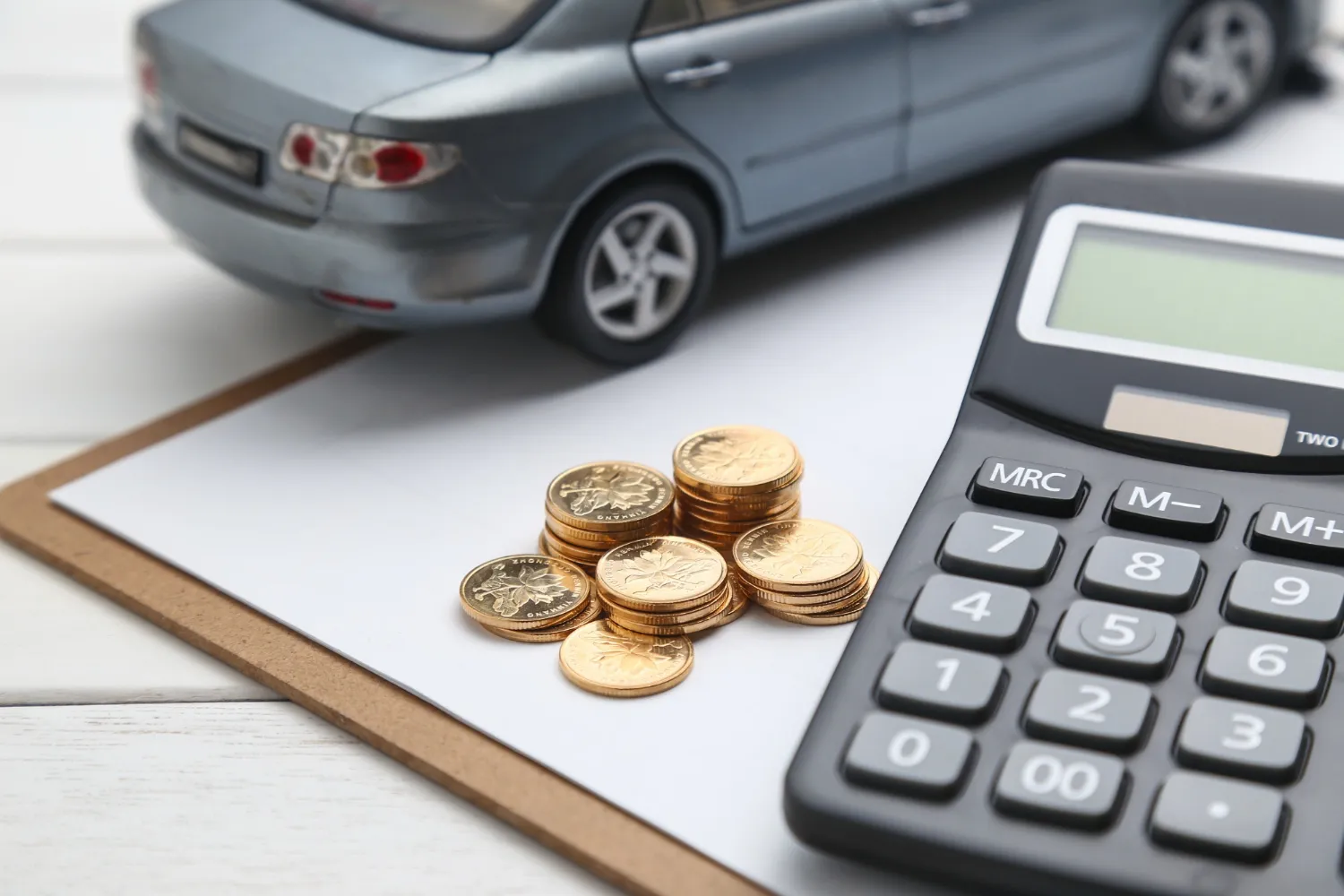
“The moment you drive a new car out of the showroom, it starts losing value. This invisible money loss is called Car Depreciation Rate – and learning about it can save you lakhs.”
Buying a car is a dream for many people. It gives you comfort, pride, and freedom to travel anywhere. But here’s the hidden truth: the car you buy today will not hold the same value tomorrow. The price keeps falling every year, even if you maintain it perfectly.
This fall in value is called Car Depreciation.
The percentage at which the car loses value every year is called the Car Depreciation Rate.
Why should you care? Because:
- If you sell your car, depreciation decides the resale value.
- If you claim insurance, depreciation decides how much you get.
- If you plan your budget, depreciation tells you the real cost of owning a car.
What is Car Depreciation Rate?
Simple Definition: Car Depreciation Rate is the percentage by which a car’s value reduces every year.
For example:
- You buy a car for ₹10 lakh today.
- After 1 year, its value becomes ₹7.5 lakh.
- The car has lost ₹2.5 lakh in one year.
That drop (25%) is the Depreciation Rate.
"A car is not an investment that grows. It is an asset that loses value, but smart owners know how to reduce the loss."
Keywords Used:
- Car Depreciation Rate
- What is the Car Depreciation Rate
- Depreciation on Car Rate
Why Do Cars Depreciate?
Cars lose value naturally over time due to the following reasons:
- Wear and Tear – Even if you take care, parts like tyres, battery, and brakes wear out.
- Mileage – The more you drive, the more the value drops. Buyers prefer cars with low mileage.
- New Models – Companies release newer versions with better features, making your car outdated.
- Accidents/Repairs – A car that has had repairs or damage depreciates faster.
- Demand in Market – Popular models depreciate slowly; less popular ones depreciate faster.
- Fuel Type & Technology – Petrol cars depreciate more slowly than diesel cars in many markets. Electric cars may depreciate differently due to battery life concerns.
Note: Luxury cars often depreciate faster than budget cars because fewer people buy second-hand luxury models.
Depreciation Rate for Vehicles in India
The Income Tax Department of India and the Insurance Regulatory Authority define depreciation rates for vehicles. These are mainly used for insurance claims and accounting.
Standard Rates (as per Indian Tax Laws):
- Private cars: 15% per year (WDV method).
- Commercial vehicles: 30% per year.
- If purchased in the second half of the financial year, only 50% of depreciation is allowed.
(Source: Income Tax Department of India)
Insurance-Specific Depreciation Rates (for car parts):
- Rubber, plastic, nylon parts: 50% depreciation.
- Fibreglass parts: 30% depreciation.
Metal parts: Depreciation as per the age of the vehicle:
- 1 year: 5%
- 2 years: 15%
- 3 years: 30%
- 4 years: 40%
- 5 years: 50%
Global Statistics:
- In the USA, a new car loses 20–30% of its value in the first year.
- After 5 years, the car loses 50–60% of its value (Source: Kelley Blue Book).
Fact: According to Edmunds 2023 Report, the average depreciation after 5 years is 49% for most vehicles.
You May Also Like to Read this Article - Indian Cars Discontinued in 2025 | Maruti Suzuki Ciaz, Skoda Kodiaq, Nissan KicksHow to Calculate Car Depreciation
There are two main methods:
(A) Straight Line Method (SLM)
A car loses equal value every year.
Formula: Depreciation per year = (Car Cost – Scrap Value) ÷ Useful Life
Example:
Car Price = ₹10,00,000
Scrap Value after 10 years = ₹1,00,000
Useful Life = 10 years
Depreciation = (10,00,000 – 1,00,000) ÷ 10 = ₹90,000 per year
(B) Written Down Value Method (WDV)
Depreciation is charged on the reduced balance every year.
Formula:
Depreciation = Current Value × Rate (%)
Example (at 15% rate):
Year 1: ₹10,00,000 × 15% = ₹1,50,000 → Remaining value = ₹8,50,000
Year 2: ₹8,50,000 × 15% = ₹1,27,500 → Remaining value = ₹7,22,500
Year 3: ₹7,22,500 × 15% = ₹1,08,375 → Remaining value = ₹6,14,125
This continues until the scrap value.
Remember:
- For insurance in India, WDV is usually used.
- For accounting, SLM or WDV may be used depending on the rules.
How Car Depreciation Affects Insurance
Insurance companies pay based on the current value (IDV – Insured Declared Value), not the original cost.
Example:
- You bought a car for ₹10 lakh.
- After 3 years, its IDV becomes ₹6.5 lakh.
- If your car is stolen, the company pays you only ₹6.5 lakh.
Tip: Take Zero Depreciation Cover (Bumper-to-Bumper Insurance). This means the company will pay for full replacement without cutting depreciation on parts.
Real-Life Example of Depreciation
Suppose you bought a Hyundai Creta for ₹15 lakh in 2020.
- After 1 year → Value = ₹12 lakh (20% drop).
- After 3 years → Value ≈ ₹9 lakh.
- After 5 years → Value ≈ ₹6.5 lakh.
This shows a 55% loss in just 5 years.
Now compare with a Maruti Swift worth ₹7 lakh:
- After 5 years → Still worth around ₹4–4.5 lakh (because of high demand).
This proves that popular cars depreciate more slowly.
Tips to Minimise Car Depreciation Rate
Here are 10 expert tips:
- Choose a Popular Model – Easier resale.
- Maintain Service Records – Shows care to buyers.
- Keep Mileage Low – Buyers prefer cars with fewer kilometers.
- Avoid Too Many Modifications – Extra spoilers, stickers, or lights reduce value.
- Pick Safe Colours – White, silver, and grey sell faster.
- Park Carefully – Avoid dents, scratches, and sun damage.
- Sell at the Right Time – After 5–7 years for maximum resale.
- Buy Zero Dep Insurance – Saves money at claim time.
- Take Care of Tyres & Battery – Buyers check these first.
- Don’t Delay Repairs – Small damage today can reduce big value tomorrow.
"Cars don’t lose value overnight. They lose value when owners stop caring for them."
Quick Notes for Car Owners
- Note 1: First 2 years = highest depreciation.
- Note 2: SUVs and luxury cars depreciate faster than hatchbacks.
- Note 3: Always check resale websites to know your car’s current market value.
Key Statistics You Should Know
- India: Cars lose 15–20% per year.
- Luxury Cars: Lose 40–50% in first 3 years. (Source: Autocar India)
- Global: Cars lose 10% value as soon as they leave the showroom. (Source: Edmunds)
- Resale Trend: White cars have 10% better resale value compared to rare colours.
Action Plan for You
Here’s what you should do:
- If buying a New Car: Choose a brand with strong resale.
- If you Already Own a Car: Maintain it and track IDV.
- If Planning to Sell: Sell within 5–7 years.
- For Insurance: Always check IDV and consider zero dep cover.
FAQ’S
1. What is the Car Depreciation Rate?
Car Depreciation Rate is the percentage by which a car’s value decreases each year due to factors like age, mileage, wear and tear, and market demand. For example, a car worth ₹10 lakh today may be worth only ₹7.5 lakh after one year, showing a 25% depreciation rate. It directly impacts resale value and insurance claims.
2. How is the Car Depreciation Rate calculated?
Car Depreciation Rate is calculated using two methods: Straight Line Method (SLM) and Written Down Value (WDV). SLM spreads equal depreciation over the car’s life, while WDV applies a fixed percentage on the car’s reducing value each year. For insurance purposes in India, WDV is commonly used to determine the current Insured Declared Value (IDV).
3. Why do cars depreciate so fast in the first year?
Cars depreciate quickly in the first year because they lose their “new car” status the moment they leave the showroom. On average, a new car drops 20–30% in value in the first year alone. After that, depreciation slows down. This is due to immediate market value adjustment, newer models entering the market, and initial wear and tear.
4. What is the average Car Depreciation Rate in India?
In India, the average Car Depreciation Rate is around 15% per year for private cars and 30% for commercial vehicles, as per Income Tax rules. However, actual market depreciation can be higher in the first three years, with cars losing up to 50% of their value in 4–5 years, depending on brand, model, mileage, and condition.
5. How does the Car Depreciation Rate affect insurance claims?
Insurance companies use the Car Depreciation Rate to calculate the Insured Declared Value (IDV). This means if your car is stolen or totaled, you’ll receive compensation based on its depreciated value, not the original purchase price. To avoid heavy losses, many owners opt for zero depreciation cover, which ensures full claim settlement without considering depreciation.
Conclusion
Car depreciation is unavoidable, but smart car owners manage it wisely. If you understand the Car Depreciation Rate, you can:
- Save money on insurance claims.
- Get higher resale value.
- Plan your finances better.