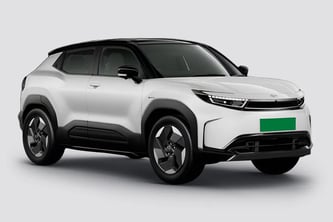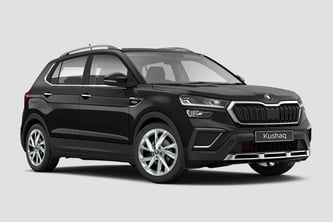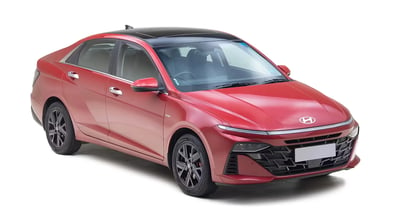


Curious which automatic car gives you more kilometres per litre? Let’s dive into the real-world MPG battle between the Citroën Basalt X AT and the Škoda Slavia AT.
If you’re thinking of buying an automatic sedan and fuel efficiency matters to you, this comparison is important. The Basalt X AT and Slavia AT both offer automatic transmissions and modern petrol turbo engines, but which one uses less petrol in real life?
What’s being compared
Both cars feature automatic versions of their petrol engines: the Basalt X AT from Citroën and the Slavia AT from Škoda. While both use automatic gearboxes, their engines differ, which impacts mileage. According to a test by Autocar India, in mixed city/highway use the Basalt X averaged about 11.95 km/litre in one real-world test.
Real-world mileage findings
- The Basalt X AT’s real-world test figure of ~11.95 km/l (in city/highway combined conditions) shows that under regular driving conditions it is less efficient than the claimed figures.
- The Slavia AT, according to specification comparisons, has claimed mileage of around 20.3 kmpl for petrol versions according to ARAI/official figures.
- However, real-world numbers will be lower once you add start-stop traffic, A/C usage, and city driving. The comparison shows that the Slavia has a clear edge in claimed mileage over the Basalt.
You May Also Like to Read this Article - Mahindra Sold 30,000 Units Of XEV 9e And BE 6, New EV Launching This Month
What this means for you
- If you drive a lot in the city, the Basalt X AT’s real-world figure being ~11.95 km/l shows you’ll spend more on fuel compared to a truly efficient sedan.
- The Slavia seems more efficient on paper, and real-world use is likely to favour it, especially on highways or mixed driving.
- You should check your type of driving: city only, highway only, or mixed. The more you do city driving with lots of stop-go, the larger the gap likely becomes in fuel economy.
Additional factors to consider
- Driving style & conditions: Aggressive acceleration, heavy traffic, high loads all reduce mileage.
- Automatic gearbox type: Both cars use automatic transmissions, but the type and tuning impact fuel use.
- Engine size & displacement: Basalt X has a naturally aspirated or small turbo engine (depending on variant) whereas the Slavia uses a more modern turbo petrol with better efficiency metrics.
- Maintenance & tyres: Proper servicing, correct tyre pressure, and using recommended fluids all help improve real-world mileage.
- Fuel type & quality: Using good quality petrol and following the manufacturer’s schedule matters for efficiency.
Take-action tips for you
- Ask for real-world test drives of each model in your local area (city vs highway) before deciding.
- Track fuel usage for a few days (tank to tank) if you already drive one of these models. See what you get in km/l yourself.
- Consider total cost of ownership: cheaper to buy is good, but higher fuel consumption adds cost over years.
- If you predominantly drive highway routes or open roads, the Slavia AT looks like the better mileage choice. If your budget or brand preference leans toward the Basalt X AT, be aware of the higher fuel usage.
Final thoughts
In the showdown of Citroën Basalt X AT vs Škoda Slavia AT, the Slavia appears to be the more efficient automatic petrol car on paper and likely in real life. The Basalt X AT, while a fine car in many respects, trails in fuel economy under real-world conditions.
For you, the buyer, this means mileage should be one of your key decision points—especially if your driving is heavy in the city. Choose carefully, test both in your environment, and you’ll get the car that fits your needs best.
Would you like me to pull up a detailed table of variant-wise mileage, cost of ownership over 5 years, and fuel cost comparison between these two models?