

If you press the brake pedal every day but never think about what happens next, this guide is for you. Understanding car brakes is not just for mechanics or car enthusiasts; it helps every driver make safer, smarter decisions on the road.
The brakes are one of the most important safety systems in any vehicle. Modern vehicles use different braking technologies depending on design, cost, performance, and fuel type. In simple words, the right brake system helps your car stop safely, stay stable, and handle emergencies better.
What Are Car Brakes?
Car brakes are mechanical and hydraulic systems that slow down or stop a vehicle by creating friction or resistance. When you press the brake pedal, that force is transmitted through the braking system so the wheels slow down and the car comes to a halt.
A well-maintained braking system can make a major difference in road safety. Research on brake-related crashes shows that brake defects still contribute to vehicle-related crash risk, which is why regular inspection matters.
Why Car Brakes Matter
Brakes are not only about stopping; they are about control. Good brakes help you avoid collisions, manage downhill driving, handle wet roads, and react quickly in sudden traffic situations. ABS and other braking technologies have been studied for their safety impact, with evidence showing better control in some braking conditions compared with conventional systems.
Note: If you hear grinding, squealing, or feel vibration while braking, it is time to get the brakes checked.
Main Types of Car Brakes
There are several types of car brakes, but the most common systems and technologies include disc brakes, drum brakes, anti-lock braking systems, and regenerative braking.
1. Disc Brakes
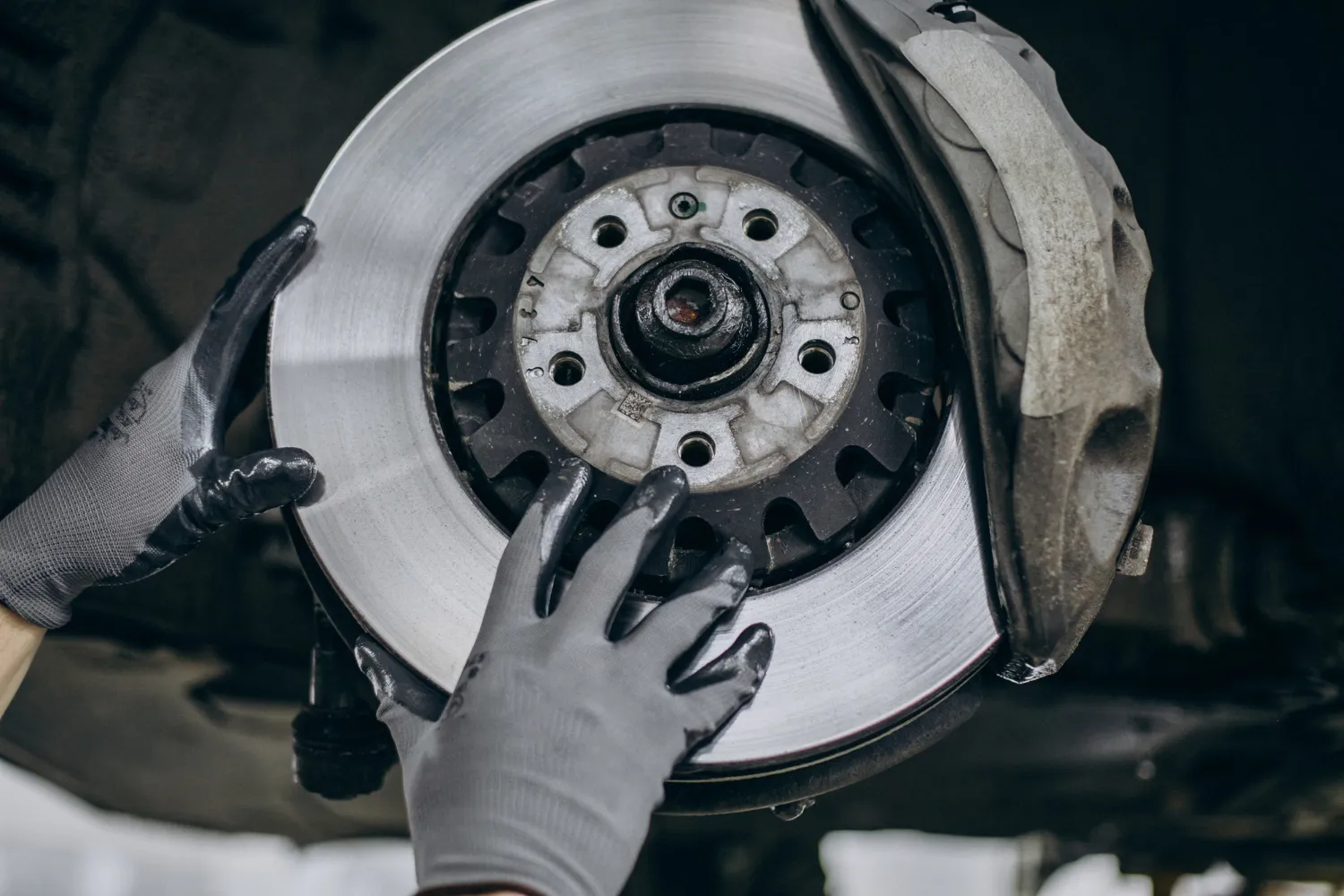
Disc brakes are the most common braking system in modern cars, especially on the front wheels. They work by pressing brake pads against a rotating metal disc called a rotor, which creates friction and slows the wheel.
They offer strong stopping power, better heat dissipation, and consistent performance in many driving conditions. This is why disc brakes are widely used in passenger cars and performance-focused vehicles.
Tip: If your car pulls to one side when braking, the disc brakes may need inspection.
2. Drum Brakes
Drum brakes work differently from disc brakes. Instead of pads gripping a disc, brake shoes press outward against the inside of a drum to slow the wheel.
They are usually cheaper to manufacture and are still used in some budget vehicles, often on the rear wheels. However, drum brakes are generally less efficient than disc brakes and can be more prone to heat buildup during heavy braking.
Remember: Drum brakes can be durable, but they still need regular servicing, especially if you drive in stop-and-go traffic.
3. Anti-lock Braking System (ABS)
ABS is not a separate brake type, but a safety feature that works with the braking system. It prevents the wheels from locking up during hard braking, helping the driver maintain steering control.
Studies have shown that ABS can reduce certain crash risks and improve control during emergency stops, especially on slippery roads. A NHTSA-supported publication also notes that braking improvements, including ABS-related systems, help reduce crash outcomes in specific conditions.
“Better braking control can be the difference between a near miss and a crash.”
4. Regenerative Braking
Regenerative braking is commonly found in hybrid and electric vehicles. Instead of wasting all the energy as heat, the system converts some of the vehicle’s motion into electrical energy and sends it back to the battery.
This helps improve efficiency and reduces wear on traditional brakes because the regenerative system handles part of the slowing process. For EV and hybrid owners, this is one of the biggest advantages of modern braking technology.
Note: Regenerative braking does not replace regular brakes completely. Your car still needs friction brakes for full stopping power and emergencies.
How Car Brakes Work
Most car brakes rely on friction. When the driver presses the brake pedal, hydraulic pressure travels through brake fluid to the callipers or wheel cylinders. The brake pads or shoes then press against the rotor or drum, creating resistance that slows the vehicle.
In simple terms, brake energy turns motion into heat. That is why brake systems must handle heat efficiently to avoid fade, loss of performance, or damage over time.
Tip: Avoid riding the brakes for long periods on slopes. It can overheat the system.
Which Brake Type Is Best?
There is no single “best” brake for every vehicle. Disc brakes are preferred for strong performance, drum brakes are common where cost matters, ABS improves safety control, and regenerative braking is ideal for hybrids and EVs.
For most everyday drivers, a car with disc brakes in front and either drum or disc brakes at the rear is common and practical.
Signs Your Car's Brakes Need Attention
You should inspect your car brakes if you notice any of the following:
- Squeaking or grinding sounds.
- Soft or spongy brake pedal.
- Vibration while braking.
- Longer stopping distance.
- The brake warning light is on the dashboard.
- Car pulling left or right during braking.
Brake-related defects are still linked to crash risk, so these warning signs should never be ignored.
Maintenance Tips for Safer Braking
Regular care helps your brakes last longer and work better.
- Check brake pads and shoes regularly.
- Replace worn brake fluid on schedule.
- Inspect rotors, drums, and callipers for damage.
- Do not ignore warning lights.
- Get brakes checked before long trips.
- Drive smoothly to reduce unnecessary wear.
Remember: Preventive maintenance is always cheaper than brake repair after failure.
You May Also Like to Read this Article - Cheapest Toyota Cars in India: Glanza, Taisor, Rumion & More
Car Brakes and Road Safety
Brakes are one of the most studied safety systems in vehicles because they directly affect crash prevention. Research from NHTSA and other safety studies shows that braking improvements can reduce crash involvement in some conditions, while defective brakes remain a meaningful safety concern.
That is why choosing a reliable car brake system and maintaining it properly is not just about vehicle performance; it is about protecting lives.
FAQ’S
1. What are the main types of car brakes?
The primary types of car brakes are disc brakes, drum brakes, anti-lock braking systems (ABS), and regenerative braking. Disc brakes use pads pressing against a rotor for strong stopping power. Drum brakes involve shoes expanding inside a drum, often on rear wheels. ABS prevents wheel lockup, while regenerative braking in EVs recaptures energy. Each suits different vehicle needs.
2. How do disc brakes work?
Disc brakes work by hydraulic pressure pushing brake pads against a spinning rotor attached to the wheel. Friction slows the rotor and wheel, converting motion to heat. They offer excellent heat dissipation and consistent performance, making them ideal for front wheels and high-performance cars. Regular pad and rotor checks ensure reliability.
3. What is the difference between disc and drum brakes?
Disc brakes provide better stopping power, heat resistance, and easier maintenance than drum brakes. Drum brakes are cheaper, self-cleaning, and common on rear wheels of budget cars, but prone to fade under heavy use. Most modern vehicles use discs up front for safety and drums or discs at the rear.
4. What are the signs that car brakes need replacement?
Look for squealing/grinding noises, spongy/soft pedals, vibrations during braking, pulling to one side, longer stopping distances, or dashboard warning lights. These indicate worn pads, fluid issues, or rotor damage. Ignoring them increases crash risk, so inspect brakes every 10,000-20,000 km or annually.
5. How does ABS improve car braking safety?
ABS pulses the brakes rapidly to prevent wheel lockup during hard stops, maintaining steering control on slippery surfaces. Studies show ABS reduces fatal crashes by up to 30% in some conditions by improving stability. It works with disc or drum systems and activates automatically—no driver input needed.
Final Thoughts
Understanding the types of car brakes helps you become a more confident and responsible driver. Whether your vehicle uses disc brakes, drum brakes, ABS, or regenerative braking, each system plays a role in stopping power, safety, and control. By knowing how they work and how to maintain them, you can reduce risk and drive with more confidence every day.