

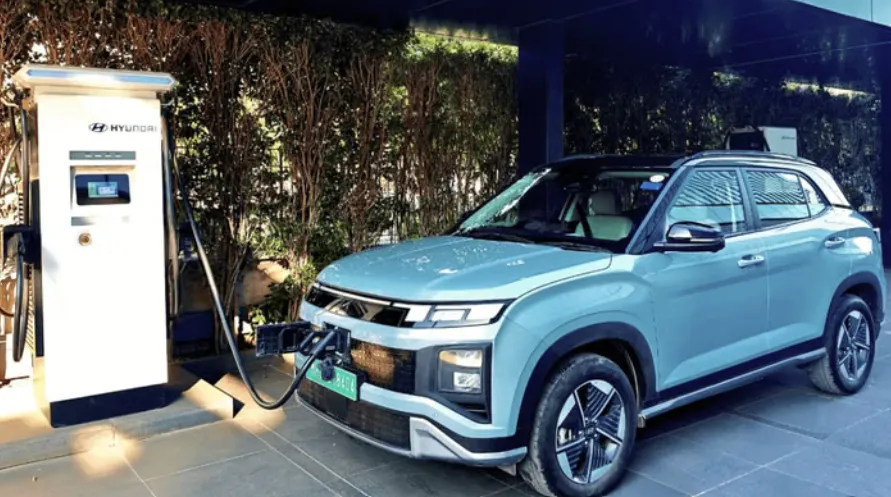
Delhi has proposed a major update in its EV Policy that could make electric cars more affordable for buyers, especially in the mid-price segment. Under the draft, electric cars priced up to Rs 30 lakh may get a 100% exemption on road tax and registration fees until March 31, 2030.
If you have been thinking about buying an electric car in Delhi, this policy change could make your decision easier, lighter on the pocket, and more future-ready.
What the Delhi EV Policy proposes
The draft Delhi EV Policy 2026–2030 proposes full road tax and registration fee exemption for electric cars with an ex-showroom price of up to Rs 30 lakh. Vehicles above that price band will not receive the same benefit, which shows the government is focusing incentives on mass adoption rather than luxury EVs.
This move is expected to support cleaner mobility, reduce running costs for buyers, and encourage more people to switch from petrol and diesel vehicles to electric ones. The policy also includes broader measures such as charging infrastructure expansion, purchase incentives, and plans to strengthen EV adoption across vehicle categories.
Why this policy matters
For many buyers, the biggest hesitation in choosing an EV is the upfront price. Road tax and registration charges can add a meaningful amount to the final cost, so removing them can improve affordability in a direct way.
This is especially relevant for Delhi, where EV adoption has already been stronger than the national average. A recent policy analysis noted that Delhi’s EV-to-ICE ratio was around 14% in 2025, compared with India’s national average of about 8%, which shows the city is already moving faster than many other markets.
Who can benefit the most
The biggest beneficiaries of the Delhi EV Policy are likely to be:
- Middle-class families buying tare heir first EV.
- Office commuters are looking for lower long-term running costs.
- Buyers upgradinare g from petrol cars to cleaner electric cars.
- People planning to buy models in the under-Rs 30 lakh range.
Tip: If you are comparing EVs, calculate the on-road price with and without tax exemption. The savings can change the total ownership cost more than many buyers expect.
What buyers should keep in mind?
The proposal applies only to electric cars registered in Delhi and priced at up to Rs 30 lakh ex-showroom. That means the final benefit depends on where the vehicle is registered and whether the model falls within the eligible price cap.
Also, policy drafts can still change after public feedback and government review. The draft has been released for stakeholder comments, so the final version may include revisions before implementation.
Remember: Always verify the final policy document and current dealership billing before booking a vehicle. That helps you avoid confusion about subsidies, registration, and tax benefits.
Charging and adoption outlook
Delhi’s EV growth has been supported not just by incentives, but alo by infrastructure expansion. One policy review noted that the city had roughly 9,000 charging points by 2026, up from only a few hundred in 2020.
The same review said Delhi had registered over 86,000 EVs since 2020, while another report noted that more than 4.07 lakh EVs were registered in the city between FY 2019-20 and FY 2025-26. These numbers show that policy support is already translating into real adoption.
You May Also Like to Read this Article - How to Remove Fog from Car Glass | Inside and Outside
What this means for the average buyer
If you are a regular car buyer, the Delhi EV Policy could make electric ownership more practical and less risky. Lower upfront taxes reduce the entry barrier, while lower running and maintenance costs can make EVs more attractive over time.
“The most important part of EV adoption is not just technology, but affordability and convenience.” This policy is designed to improve both.
Action steps for readers
If you are planning to buy an EV in Delhi, here is what you can do next:
- Shortlist EV models below Rs 30 lakh.
- Check the on-road price after tax exemption.
- Compare charging access near your home or office.
- Review warranty, battery range, and service support.
- Wait for the final policy notification if you want the most accurate benefit details.
FAQ’S
1. What does the Delhi EV Policy propose for electric cars?
The draft Delhi EV Policy proposes a 100% exemption on road tax and registration fees for electric cars priced up to Rs 30 lakh. This means eligible EV buyers may pay less upfront when registering their vehicle in Delhi. The goal is to make electric cars more affordable and encourage more people to switch to cleaner mobility.
2. Which electric vehicles are eligible for the tax benefit?
Electric cars with an ex-showroom price of up to Rs 30 lakh are expected to qualify for the exemption under the draft policy. The benefit is designed for mainstream EV buyers rather than luxury vehicle owners. Final eligibility will depend on the approved policy wording and registration rules in Delhi.
3. Does the policy apply to all EVs in Delhi?
No, the proposed benefit is mainly focused on electric cars within the Rs 30 lakh price band. Other EV categories may have separate incentives under the policy, but the no road tax proposal specifically highlights electric cars. Buyers should check the final policy for category-wise benefits before making a purchase decision.
4. Why is the Delhi government removing road tax for EVs?
The main aim is to reduce the upfront cost of buying an electric vehicle. Road tax and registration fees can make EVs more expensive at the time of purchase. By removing these charges, the Delhi EV Policy hopes to speed up EV adoption, support cleaner transport, and make electric cars more attractive to everyday buyers.
5. How much money can buyers save under this policy?
The exact savings depend on the car’s price and the applicable road tax and registration charges. For many buyers, this can lead to a noticeable reduction in the on-road price. Since the exemption applies only to EVs up to Rs 30 lakh, the benefit is most useful for mid-range electric car buyers in Delhi.
Final take
The Delhi EV Policy proposal is a strong signal that the city wants to accelerate clean mobility by making electric cars more affordable for mainstream buyers. If approved in its current form, the no road tax benefit for EVs up to Rs 30 lakh could become one of the most useful incentives for anyone considering an electric car in Delhi.