

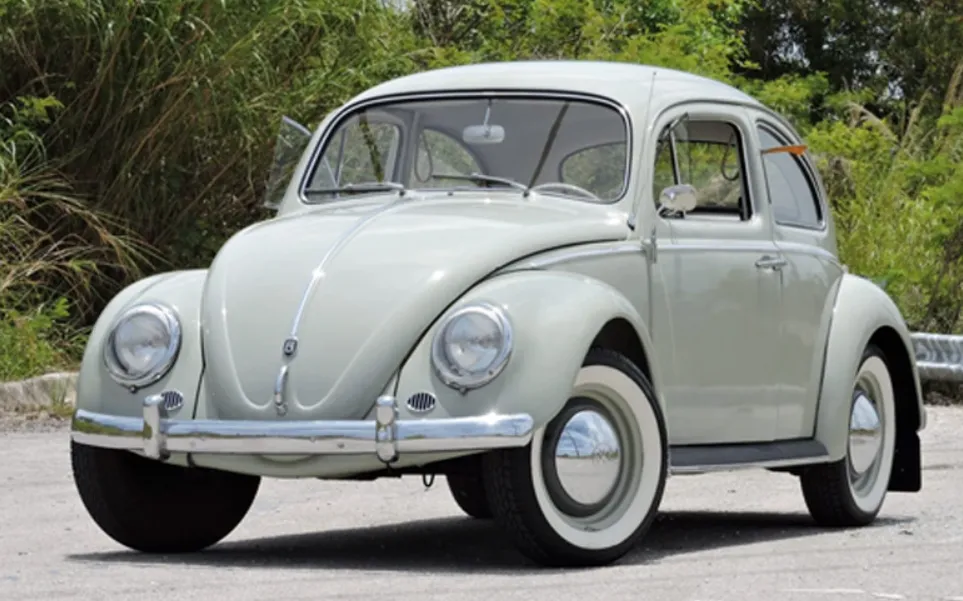
Imagine driving through the streets of Ahmedabad, Mumbai, or Bengaluru and turning heads not for the newest SUV, but for a car that looks like it’s stepped out of a 1960s film. That’s the magic of vintage cars in India. They are not just vehicles; they are rolling pieces of history, style, and nostalgia. If you’re even slightly curious about classic design, unique engines, or that special “old‑world charm”, then vintage cars in India are worth exploring.
In this article, you’ll discover the top vintage cars in India, what makes them special, and what you can actually do if you ever want to own or even restore one yourself. You’ll also find practical tips, some eye‑opening numbers, and a few reminders to keep in mind before you start dreaming of your own classic car.
What Are Vintage Cars in India?
When we say “vintage cars in India”, we usually mean older cars that are no longer in mass production, have a strong historical or emotional value, and are cherished by collectors and enthusiasts. Many of these cars are from the 1950s to early‑2000s and still hold a special place in Indian families’ memories.
Vintage cars are not the same as modern cars fitted with old‑looking parts. They are originals—or at least well‑preserved, correctly restored machines—that tell a story about how people drove, how design was shaped, and how technology evolved over decades.
Why Vintage Cars Are Still Popular Today
It’s easy to think, “Why would anyone want an old car?” But consider this:
- Vintage cars in India are often more affordable to buy than new luxury cars, yet they can appreciate over time if maintained well.
- Events like classic car rallies and exhibitions are growing, which means more people are talking about, buying, and restoring vintage cars.
- Platforms like Droom, Spinny, and Cars24 report a steady increase in listings for classic models, suggesting that demand is rising, especially among younger buyers interested in unique, nostalgic vehicles.
So, if you like cars with character, stories, and a bit of glamour, vintage cars in India are more relevant now than ever.
Top Vintage Cars in India You Should Know
Here’s a list of some of the best vintage cars in India, why they are iconic, and what makes them special. These models are often mentioned in articles, blogs, and collector circles as the most loved classics in India.
1. Hindustan Ambassador
The Hindustan Ambassador is perhaps the most famous vintage car in India. It was based on the British Morris Oxford and remained in production for over 50 years, from the late 1950s to 2014. Many families in India remember it as the first “family car” or as the taxi that took them to school, work, or weddings.
- Long production life: over 50 years on Indian roads.
- Simple, sturdy design with a boxy silhouette that many people still find nostalgic.
- Reason: It represents the golden era of Indian motoring and is relatively easier to find and restore compared to ultra‑rare foreign classics.
2. Premier Padmini
The Premier Padmini, originally based on the Fiat 1100, is another classic car that many Indians still talk about. It was widely used as a taxi in cities like Mumbai and even appeared in films and TV shows.
- Light, compact size made it easy to drive through narrow city streets.
- Known for its smooth ride and reliability, which is why it’s still respected by collectors.
- Today, well‑maintained Padmini models are sought after, especially by people who want an affordable entry into the vintage car world.
3. Hindustan Contessa
The Hindustan Contessa is a slightly more powerful, sporty‑looking vintage car that many enthusiasts still adore. It had a larger engine, more legroom, and a sharper design compared to the Ambassador.
- Became famous as a movie‑star car and a symbol of comfort and style.
- Even today, restored Contessas are used in rallies and classic car shows because of their timeless curves and strong presence on the road.
4. Standard Herald
The Standard Herald is a smaller, British‑influenced car that once ruled the roads as an affordable family vehicle. It’s known for its simple, clean lines and modest but reliable mechanicals.
- Popular among collectors who want a compact, easy‑to‑drive classic.
- Restoration projects for Herald models are common because of their availability and parts network.
5. Maruti 800
The Maruti 800 may not feel like a “luxury” vintage car, but it’s one of the most influential cars in Indian history. It helped bring car ownership to millions of middle‑class families.
- Known for fuel efficiency, low running costs, and easy handling.
- Today, the Maruti 800 is considered a “modern classic” and is often restored with custom paint jobs, interiors, or retro themes.
6. Jaguar Mark 2
The Jaguar Mark 2 is a luxury‑oriented vintage car that still impresses people with its elegant design and powerful engine. It was imported to India and admired by business owners, politicians, and celebrities.
- Sleek, long hood, big wheels, and a classic British look that never goes out of style.
- On the collector market, well‑maintained Mark 2 models can fetch high prices due to their rarity and brand value.
A Few More Famous Vintage Cars in India
Beyond the most common names, India also has rare jewels like:
- Rolls‑Royce Silver Ghost and other Rolls‑Royce models, which are among the most expensive and rare vintage cars in India, are often owned by collectors or museums.
- Cadillac and Chevrolet classics, which were once driven by wealthy families and are now prized for their size, presence, and American flair.
These cars are not just machines; they are symbols of status, history, and engineering from a different era.
If you’re wondering whether vintage cars are just a small hobby or a real trend, here are a few data‑driven points:
- Online platforms report that listings of classic cars have doubled over the past few years, with an average of around 60 vintage or classic cars listed each month on major classified sites.
- Articles on car‑market blogs note that vintage cars are good investment options because, unlike regular cars, they can actually appreciate over time if restored and maintained properly.
- Events like the Modern Classic Rally and other classic‑car shows are growing in size and participation, showing that more people—from young professionals to older collectors—are joining the vintage‑car community.
What this means for you is simple: vintage cars in India are not going away. They are becoming more popular, more visible, and more accessible to ordinary car lovers.
You May Also Like to Read this Article - MG Hector Safety Rating Explained: Platform Strength & ADAS Features
How to Start Exploring Vintage Cars in India
If this article is making you think, “Maybe I should look into buying a vintage car,” here’s how you can start in a smart, practical way.
1. Do Your Research First
Before buying any vintage car, take time to understand its history, common issues, and running costs.
- Read about the model you like on blogs, forums, and YouTube channels.
- Ask owners or clubs about typical maintenance problems, availability of spare parts, and fuel efficiency.
Tip: Join a local or online vintage‑car group on Facebook or WhatsApp. Many owners are happy to share honest experiences and warnings.
2. Set a Realistic Budget
Vintage cars can range from a few lakh rupees to crores, depending on the model and condition.
- Basic models like the Ambassador or Padmini may start around a few lakh rupees if you are okay with some restoration work.
- Rare luxury cars like Rolls‑Royce or Cadillac can easily cost several crores, especially if they are fully restored and low‑mileage.
Note: Always include an extra budget for repairs, parts, and documentation.
3. Inspect the Car Carefully
If you are serious about buying, never skip a physical inspection.
- Check the engine, body for rust, originality of parts, and quality of any previous restoration work.
- Take the car for a test drive to feel the gearbox, brakes, and suspension.
Remember: A car that looks great from the outside may have hidden issues. It’s better to walk away than buy a “money pit.”
4. Understand Documents and Registration
In India, owning a vintage car still means following legal rules.
- Make sure the car has a valid registration, proper RC, and a clean title (no disputes or loans).
- Ask about road‑tax history and whether the vehicle is in the private or commercial category.
Tip: If you buy from a reseller, get a receipt and, if possible, professional inspection and documentation‑checking help.
5. Join the Vintage Car Community
Connecting with other enthusiasts can make your journey much easier.
- Clubs and events often offer help with parts sourcing, workshops, and restoration advice.
- You can also meet mentors—people who’ve restored multiple vintage cars—who can guide you step by step.
Practical Tips If You Own a Vintage Car
If you already own, or one day own, a vintage car in India, here are a few habits that will help you enjoy it without constant stress:
- Maintain Regularly: Even if you drive the car only on weekends, keep an eye on oil, brakes, tyres, and fluids. Older mechanical parts wear out faster.
- Use Protective Care: Keep the car in a covered garage or carport to protect it from dust, rain, and direct sunlight. Wax and polish regularly to prevent rust and keep the paint alive.
- Drive It Occasionally: Sitting unused for too long can damage the engine, battery, and tyres. Try to drive it at least once a month on a safe route.
- Keep Records: Maintain a logbook of repairs, parts changed, and costs. This helps future buyers and can also increase the car’s value.
Here’s a line that many car enthusiasts live by when it comes to vintage cars:
“Buy a car you love, not just a car that looks good.”
This means you should choose a vintage car that matches your personality, budget, and lifestyle—not just because it looks famous in photos. If you can drive it, enjoy it, and take care of it, it will reward you with years of memories.
FAQ’S
1. What are vintage cars in India?
Vintage cars in India are older cars that are valued for their age, design, rarity, and historical importance. They are usually models from earlier decades that are no longer in production and are preserved, restored, or collected by enthusiasts. These cars are admired for their classic styling, emotional value, and connection to India’s motoring history.
2. Which are the most popular vintage cars in India?
Some of the most popular vintage cars in India include the Hindustan Ambassador, Premier Padmini, Hindustan Contessa, Standard Herald, and Maruti 800. Luxury classics like the Jaguar Mark 2 and Rolls-Royce models are also highly prized. These cars stand out because of their iconic looks, nostalgic value, and strong collector interest.
3. Why are vintage cars in India so popular?
Vintage cars in India are popular because they offer a unique mix of nostalgia, style, and exclusivity. Many people love them for their old-world charm and historical value. They also attract collectors because well-maintained classics can appreciate over time. Car shows, rallies, and online listings have also made them more visible and desirable.
4. Is buying a vintage car in India a good investment?
Buying a vintage car in India can be a good investment if you choose the right model and maintain it properly. Rare, original, and well-restored cars usually hold or grow in value better than common ones. However, restoration, spare parts, and upkeep can be costly, so it is important to buy with both passion and planning.
5. What should I check before buying a vintage car in India?
Before buying a vintage car in India, check the engine condition, rust, bodywork, paperwork, and originality of parts. Review the registration certificate, service history, and any restoration work already done. Always take a test drive if possible, and inspect whether spare parts are available. A trusted mechanic or expert can help avoid expensive mistakes.
Final Thoughts
Vintage cars in India are more than just metal and engines. They are time machines that remind us of simpler, slower‑moving days while still turning heads on modern roads. Whether you love the Hindustan Ambassador, Premier Padmini, Hindustan Contessa, Maruti 800, or luxury models like Jaguar Mark 2 and Rolls‑Royce, there’s a classic car waiting that fits your taste and budget.