

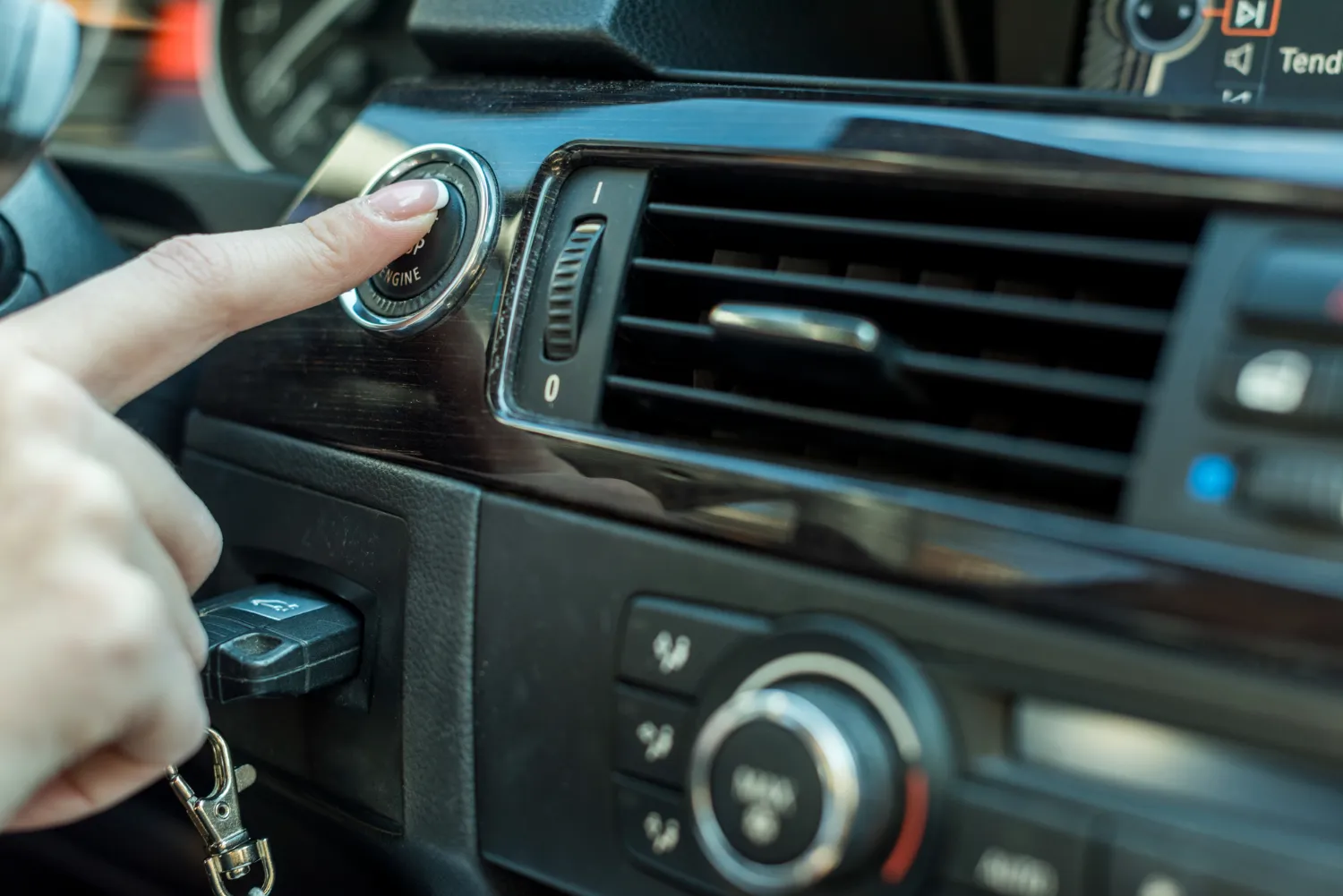
Imagine this: You've just driven home your shiny new used car, excited for that first road trip. The sun is beating down, traffic is crawling, and you crank up the AC. But instead of cool relief, you're hit with warm, stuffy air. Your heart sinks. This isn't just uncomfortable—it's a costly nightmare waiting to happen. Welcome to the hidden trap that catches 1 in 4 used car buyers off guard.
Used cars' AC problems are more common than you think. According to used car inspection data from platforms like Cars24, roughly 25% of pre-owned vehicles have AC issues that are either failing or about to fail. That's one in four cars! In India's scorching summers, where temperatures often exceed 40°C, a faulty AC isn't a luxury—it's a necessity. Yet, most buyers overlook this critical check during test drives and negotiations.
Why does this happen? Sellers often top up refrigerant just before a sale to mask problems, making the AC seem fine for a quick demo. But leaks, worn parts, and clogs lurk beneath. The result? Repairs that can cost anywhere from ₹5,000 to ₹30,000 or more shortly after purchase.
In this guide, we'll break down why used cars' AC problems are so prevalent, how to spot them yourself, and the professional checks you must demand. By the end, you'll know exactly how to protect your wallet and stay cool on the road. Let's dive in.
Why AC Problems Plague 1 in 4 Used Cars
Your car's AC system is a complex network of components working together to pull heat from the cabin and blow out cool air. It includes the compressor (the "heart"), condenser (releases heat), evaporator (cools cabin air), expansion valve, refrigerant lines, and cabin filter. In used cars, these parts wear out from constant use, especially in dusty, hot climates like India.
Key Statistic: Used car inspection reports show that low refrigerant levels—the top culprit—affect nearly 25% of vehicles checked. Refrigerant doesn't "use up"; it leaks from seals, hoses, or the compressor clutch. Other common failures include clogged condensers from road debris and moldy evaporators, causing bad odors.
India's conditions accelerate wear: High heat forces the compressor to work overtime, dust clogs filters, and stop-and-go traffic strains belts. Older cars (5+ years) are hit hardest, with failure rates climbing to 10-20% in some models per Consumer Reports data.
"Air conditioning problems range from easy to repair to requiring significant troubleshooting... costs to repair can easily top $1,000," warns John Ibbotson of Consumer Reports.
Remember: Skipping an AC check is like buying a house without testing the plumbing. It might work today, but tomorrow's breakdown will flood your budget.
The Most Common Used Cars' AC Problems You'll Encounter
Not all AC issues are equal. Here's a detailed rundown of the top problems, their symptoms, and why they sneak up on buyers:
1. Low Refrigerant Levels (The Silent Killer)
This tops the list, causing warm air from vents. Leaks from O-rings, hoses, or evaporator coils slowly drain the system. Sellers recharge it temporarily, fooling you during a hot day test.
Symptoms: AC cools briefly, then warms up; weak airflow.
Cost to Fix: ₹3,000-₹10,000 (detection + recharge + repair).
2. Faulty Compressor or Clutch
The compressor pressurizes refrigerant but fails due to wear or contamination. A slipping clutch means it won't engage properly.
Symptoms: Clicking noises; AC won't turn on; engine strain.
Cost: ₹15,000-₹40,000 for replacement.
3. Clogged Condenser or Cabin Filter
Road grime blocks the condenser (front of radiator), while dirty cabin filters reduce airflow.
Symptoms: Poor cooling despite cold refrigerant; musty smells.
Tip: Check the cabin filter yourself—it's often behind the glovebox and should be replaced yearly.
4. Leaking Evaporator or Expansion Valve
Inside the dash, these cause uneven cooling or water drips.
Symptoms: One side cold, other warm; cabin leaks.
Note: UV dye tests reveal hidden leaks pros use.
5. Electrical Gremlins
Bad relays, sensors, or fuses prevent the system from kicking in.
Symptoms: AC blower works but no cooling; intermittent failure.
Note: These issues compound in used cars over 50,000 km, where seals harden, and belts crack.
The Most Overlooked Check: How to Test AC Before Buying
Here's your actionable checklist. Don't rely on a sunny test drive—many problems hide until stressed.
Step 1: Basic At-Home Tests (Do This Yourself)
- Fog Test: Sit in the car with windows up for 5 minutes to fog the windows, then blast the AC on defrost. Clear fog + cold air = good sign. Persistent fog means weak dehumidification.
- Vent Temp Check: Use a thermometer in vents after 10 minutes idling. Should read 4-8°C in a 30°C ambient.
- Listen and Sniff: No rattles, squeals, or moldy odors from vents.
- Airflow Balance: Feel all vents—even flow, no weak spots.
Tip: Park in shade or a garage for an honest test—hot sun masks marginal performance.
Step 2: Visual Inspection Under the Hood
- Look for oily residue around the compressor/hoses (leak signs).
- Check belts for cracks; condenser fins for bent debris.
- Shake the compressor gently—no rattles inside.
Step 3: Insist on Professional Inspection
Demand a full PDI (Pre-Delivery Inspection) including:
- Refrigerant pressure gauge test.
- Electronic leak detection or UV dye.
- Compressor cycling under load.
- Evaporator/condenser cleanliness.
Remember: Reputable dealers like Cars24 include this; insist if not. Cost: ₹500-₹1,500, saves thousands.
"Simply topping up refrigerant without fixing the leak is a short-term fix that costs you money every few months."
You May Also Like to Read this Article - Types of Car Brakes | Complete Guide
What happens if you ignore used cars' AC Problems?
Post-purchase horror stories abound. Warm air leads to sweaty commutes, then escalating repairs. A simple leak ignored becomes a compressor failure. In the monsoon, poor AC breeds bacteria, causing health issues.
Real Cost Breakdown:
|
Issue |
Detection Cost |
Repair Cost |
|
Refrigerant Leak |
₹500 |
₹5,000-₹12,000 |
|
Compressor Replacement |
₹1,000 |
₹20,000-₹40,000 |
|
Full System Overhaul |
₹2,000 |
₹30,000+ |
Plus downtime, no car in peak summer heat.
Prevention Tips: Keep Your Used Car's AC Running Cool Long-Term
Bought it? Now maintain it:
- Annual Service: Clean filters, check refrigerant (₹1,500-₹3,000).
- Drive Smart: Run AC weekly (even in winter) to lubricate seals.
- Cabin Filter Swap: DIY every 10,000 km.
- Watch Gauges: Dashboard warnings? Act fast.
Pro Tip: Use R134a refrigerant only—mismatches damage systems.
FAQ’S
1. Why do so many used cars have AC problems?
Used cars often have AC problems because the system wears out over time, especially in hot, dusty, and stop-start driving conditions. Common causes include refrigerant leaks, weak compressors, clogged condensers, dirty cabin filters, and electrical faults. Sellers may also top up refrigerant briefly to hide the issue, so the AC can seem fine during a short test drive.
2. What are the signs of AC problems in a used car?
Common signs include warm air from the vents, weak airflow, bad smells, strange noises when the AC is on, and cooling that works only sometimes. You may also notice foggy windows, water leaking inside the cabin, or one vent blowing colder air than another. These are warning signs that the system may need repair soon.
3. How do I check a used car’s AC before buying?
Start the car, turn the AC to full cold, and let it run for at least 10 minutes. Check if the air gets cold quickly, airflow is strong, and there are no odd smells or noises. Test all vents, inspect the engine bay for leaks, and ask for a professional AC inspection if possible before finalising the deal.
4. Can a car AC seem fine during a test drive and still be faulty?
Yes, absolutely. A used car AC can feel normal during a short test drive if the refrigerant was recently topped up or if the fault only appears after longer use. Some problems, like slow leaks or weak compressors, may not show immediately. That is why a quick cooling check is not enough on its own.
5. How much does it cost to fix AC problems in a used car?
Repair costs depend on the issue. A simple gas refill or minor leak repair may cost a few thousand rupees, while compressor replacement or full system repair can cost much more. In some cases, the total repair bill can become expensive enough to affect the value of the car. Always factor the AC condition into the negotiation.
Take Action Now: Your Next Steps
Ready to buy?
- Bookmark this checklist.
- Test every used car candidate rigorously.
- Walk away from no-inspection sellers.
- Choose certified pre-owned with AC warranties.
You deserve a cool, reliable ride. Don't let overlooked used cars' AC problems turn your dream purchase into a sweaty regret. Share your AC test stories below—what's the worst you've encountered?