

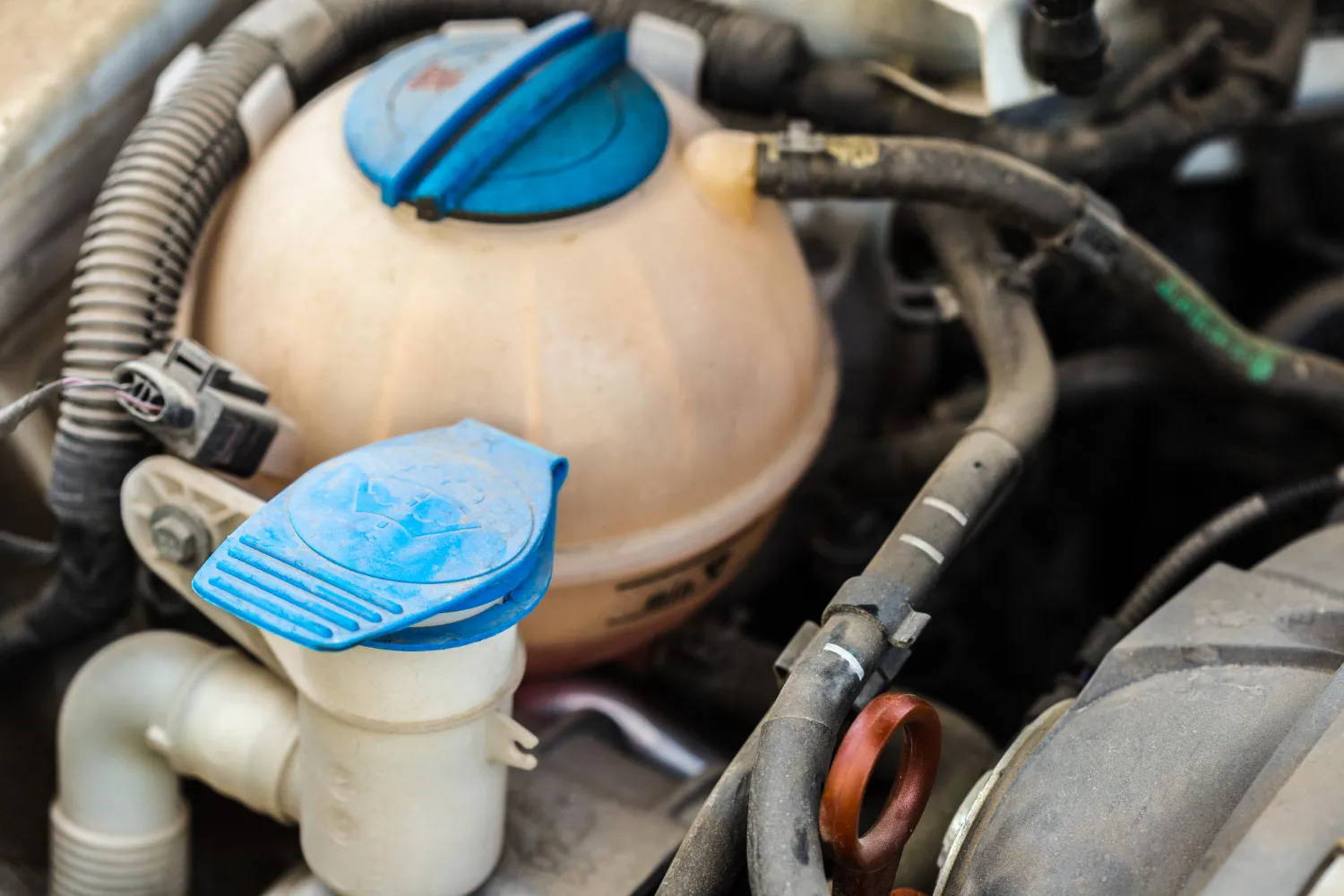
Have you ever wondered why your car doesn’t melt down under the hot Indian sun or freeze in the cold hills? The secret lies in a small but powerful liquid inside your car, the Car Engine Coolant.
What Is Car Engine Coolant?
Imagine your car’s engine as a furnace. It burns fuel to make your car move, but at the same time, it produces a lot of heat. If that heat stays inside, your engine can get damaged or even stop working.
This is where Car Engine Coolant comes in. Coolant is a special liquid that keeps your engine at the right temperature. It moves through the engine, absorbs heat, carries it to the radiator, and then cools down before repeating the cycle.
In simple words: Engine makes heat → Coolant absorbs heat → Coolant goes to radiator → Releases heat → Coolant comes back again.
Coolant is not plain water. It’s a mix of water and chemicals (like glycol) with special additives that stop rust, corrosion, and freezing.
Why Not Use Just Water?
You may think, “Why can’t I just use water?”
That’s a good question, but here’s why water alone isn’t enough:
- Water can freeze in cold weather and damage your engine parts.
- Water boils easily in very hot weather, especially in Indian summers.
- Water causes rust and corrosion inside the engine over time.
- Water doesn’t lubricate the pump or other cooling parts properly.
That’s why coolant is a smart mix of water and chemicals, it prevents all these problems and keeps your car running smoothly.
How Does the Car Cooling System Work?
To understand how coolant does its magic, let’s go step-by-step through your car’s cooling system.
1. Engine Generates Heat
When your car runs, the engine burns fuel and air together. This process creates energy and also a lot of heat. If we don’t control it, the engine can overheat.
2. Water Pump Starts the Flow
The water pump pushes coolant from the radiator into the engine. It keeps the coolant moving in a continuous loop.
3. Coolant Travels Inside the Engine
Coolant flows through small passages inside the engine block and cylinder head. As it moves, it absorbs heat from the metal parts of the engine.
4. Thermostat Controls the Flow
The thermostat is like a temperature gatekeeper. When the engine is cold, it keeps the coolant inside the engine so it can warm up faster.
Once the engine reaches the right temperature, the thermostat opens and lets the hot coolant flow to the radiator.
5. Radiator Releases the Heat
The hot coolant goes into the radiator. The radiator has thin metal tubes and fins. Air from outside (or from a cooling fan) blows across the radiator, removing the heat from the coolant.
6. Coolant Goes Back to the Engine
After releasing heat, the now-cool liquid goes back to the engine to repeat the cycle again. This process happens nonstop while you drive.
7. Radiator Cap Manages Pressure
The cooling system is pressurised. The radiator cap keeps the pressure at the right level. If pressure becomes too high, it lets a little coolant escape to avoid damage.
You May Also Like to Read this Article - What is the One Nation One Challan (ONOC) Initiative?
Why Is Car Engine Coolant Important?
Coolant plays a huge role in keeping your car healthy. Let’s see why it matters so much:
- Prevents Overheating
It carries away excess heat so the engine doesn’t get too hot. - Prevents Freezing
In winter or cold regions, it keeps the liquid from freezing inside the engine. - Stops Rust and Corrosion
Special additives in coolant protect the metal surfaces inside your engine. - Lubricates Moving Parts
It helps the water pump and seals move smoothly and last longer. - Helps with Cabin Heating
The warm coolant is also used to heat your car’s interior when needed.
Types of Engine Coolants
There are different types of coolants, depending on what chemicals they use. Here are the common ones:
- Inorganic Acid Technology (IAT), Older type, needs frequent change.
- Organic Acid Technology (OAT) is Newer, lasts longer, and protects better.
- Hybrid Organic Acid Technology (HOAT), A mix of both.
- Ethylene Glycol Based, Common but toxic, handle with care.
- Propylene Glycol Based: Safer and less toxic alternative.
Each car company recommends a specific type. Always check your owner’s manual before refilling coolant.
Parts of the Cooling System
Here are the main parts that help the coolant do its job properly:
- Radiator – Removes heat from the coolant.
- Water Pump – Circulates coolant throughout the engine.
- Thermostat – Controls when coolant moves to the radiator.
- Radiator Cap – Maintains correct pressure in the system.
- Hoses – Carry coolant between parts.
- Heater Core – Uses hot coolant to warm the car’s cabin.
- Cooling Fan – Pulls air over the radiator for faster cooling.
- Overflow Bottle – Stores extra coolant when it expands.
What Happens When Coolant Goes Wrong?
If your coolant system fails or you ignore it, several bad things can happen:
- Overheating – If coolant is low or blocked, the engine can overheat and seize.
- Leaks – Hoses or the radiator might leak coolant, lowering the level.
- Thermostat Failure – Can cause the engine to overheat or not warm up properly.
- Corrosion – Old or dirty coolant can cause rust inside your engine.
- Water Pump Problems – Without proper flow, the engine cannot cool down.
- Head Gasket Damage – If coolant mixes with oil, it can destroy the engine.
- Radiator Blockage – Dirt or scale buildup can stop heat from escaping.
Note: Never open a hot radiator cap. Hot steam or liquid can spray out and burn you. Always wait until the engine cools down completely.
Remember: Even a small leak or wrong coolant can slowly destroy your engine. Always keep an eye on it.
How to Maintain Your Car’s Coolant System
Here are simple steps to help you take care of your coolant system and keep your car healthy.
1. Check Coolant Level Often
Look at the coolant reservoir (usually a see-through bottle near the radiator). It has markings like “MIN” and “MAX.” The level should stay between them.
Check only when the engine is cold.
2. Use the Right Coolant Type
Every car has a recommended coolant. Using the wrong one can reduce protection and cause damage. Don’t mix two different types.
3. Flush Coolant Regularly
Over time, coolant gets dirty and loses power. Most experts recommend changing it every 2–3 years or as written in your car’s manual. Flushing removes dirt and old fluid.
4. Inspect Hoses and Belts
Old hoses may crack, and loose belts can affect the water pump. Check these parts once every few months.
5. Watch for Leaks
If you see a colored puddle under your car (green, pink, or orange), you may have a coolant leak. Get it checked quickly.
6. Keep the Radiator Clean
Dust, leaves, and bugs can block airflow. Clean the front grille and radiator occasionally.
7. Replace Old Radiator Cap
A weak cap can’t hold pressure and may cause the coolant to boil early. Replace it if it looks worn.
8. Never Open When Hot
This is very important. Always wait for your engine to cool down before opening the coolant cap.
9. Use Distilled Water
If you are mixing coolant yourself, use distilled or clean water. Tap water has minerals that can cause deposits inside the radiator.
Coolant in Indian Conditions
India’s roads and weather make cooling systems work extra hard. Here’s how:
- In cities like Delhi or Mumbai, temperatures can cross 45°C in summer. Engines can easily overheat.
- In northern hill stations, winter nights can drop below 0°C, so coolant prevents freezing.
- Dusty roads can clog the radiator fins.
- Heavy traffic means engines idle longer, producing more heat.
The Indian automotive coolant market was valued at over ₹9,000 crore (USD 1.1 billion) in 2024 and is expected to grow by around 8–9% every year till 2030. This shows how important coolant is becoming as vehicles increase across the country.
Warning Signs Your Car Needs Coolant Service
Here are signs that something’s wrong with your coolant system:
- The temperature gauge is going higher than normal.
- Steam or smoke from under the bonnet.
- The heater is blowing cold air even when turned to hot.
- Coolant level is dropping frequently.
- Sweet or chemical smell around the engine.
- Rusty or brown coolant in the tank.
If you notice any of these, it’s time to visit a mechanic.
Myths About Car Coolant (And the Truth)
Myth 1: “I can use just water, it’s cheaper.”
Truth: Water can rust and damage your engine. Always mix coolant and water properly.
Myth 2: “Coolant doesn’t need changing.”
Truth: Additives wear out over time. Replace every few years.
Myth 3: “All coolants are the same.”
Truth: Each car has its own recommended type. The wrong coolant can harm parts.
Myth 4: “Coolant colour tells the type.”
Truth: Colour alone doesn’t confirm type. Always chethe ck label or manual.
Myth 5: “Overheating is only caused by low coolant.”
Truth: Overheating can also happen due to a blocked radiator, a faulty thermostat, or fan issues.
Quick Tips for Coolant Safety
Tip 1: Always keep extra coolant in your car, especially for long drives.
Tip 2: Don’t mix coolants from different brands unless they’re the same type.
Tip 3: Clean the radiator fins gently using air or water spray.
Tip 4: Always close the radiator cap tightly after checking.
Tip 5: When in doubt, ask a trusted mechanic before changing coolant.
Small Maintenance Habits That Save Big Repairs
- Monthly check: Coolant level and colour.
- Every 6 months: Inspect hoses, belts, and radiator cap.
- Every 2 years: Flush and replace coolant.
- Before long trips: Check the temperature gauge, coolant tank, and leaks.
Note for All Drivers
Even if your car is new, don’t assume everything is fine. Coolant levels can drop due to small leaks or evaporation. Checking once a month takes only a minute but can save thousands in repair costs.
Remember: Your car needs care like your body. Water keeps you cool; coolant keeps your car cool.
What You Should Do Now
- Check your coolant tank today.
- Note the colour and level.
- If it looks brown or dirty, plan a coolant flush.
- Buy the coolant recommended in your car’s manual.
- Visit a mechanic if you notice any leaks or overheating.
- Keep a bottle of coolant in your car, especially during road trips.
Taking these steps will help your car stay smooth, safe, and efficient on Indian roads.
FAQ’S
1. What is car engine coolant?
Car engine coolant is a liquid that helps control your engine’s temperature. It circulates through the engine, absorbs excess heat, and releases it through the radiator. Most coolants are a mix of water and antifreeze chemicals that also prevent corrosion, rust, and freezing, keeping your engine safe in both hot and cold conditions.
2. How does car engine coolant work?
Coolant moves through the engine’s passages, absorbs heat, and flows to the radiator. Air passing through the radiator removes this heat before the cooled liquid returns to the engine. This continuous cycle prevents overheating, maintains ideal operating temperature, and improves overall engine performance and efficiency.
3. Why is car engine coolant important?
Coolant prevents your car engine from overheating, freezing, and corroding. It also lubricates moving parts like the water pump and maintains consistent performance in all weather. Without proper coolant, engines can overheat or rust, leading to expensive repairs and poor fuel efficiency.
4. Can I use water instead of engine coolant?
You can use water temporarily in emergencies, but it’s not recommended for regular use. Water boils and freezes faster than coolant, offers no corrosion protection, and can damage your engine over time. Always use the proper coolant-water mixture specified in your car’s manual for safe and efficient cooling.
5. How often should I change my car’s coolant?
Most car manufacturers recommend changing the coolant every 2 to 3 years or between 30,000 and 50,000 kilometres. However, this can vary depending on the vehicle model, driving conditions, and coolant type. Regular coolant replacement ensures effective heat control and protects the engine from rust and buildup.
Final Thoughts
The car engine coolant is not just a colourful liquid; it’s the life support of your engine. It keeps your engine cool in summer, prevents freezing in winter, and protects your car from rust and costly breakdowns.
If you take care of your coolant system, your car will take care of you. Regular checks, proper coolant type, and timely maintenance are all it takes.