

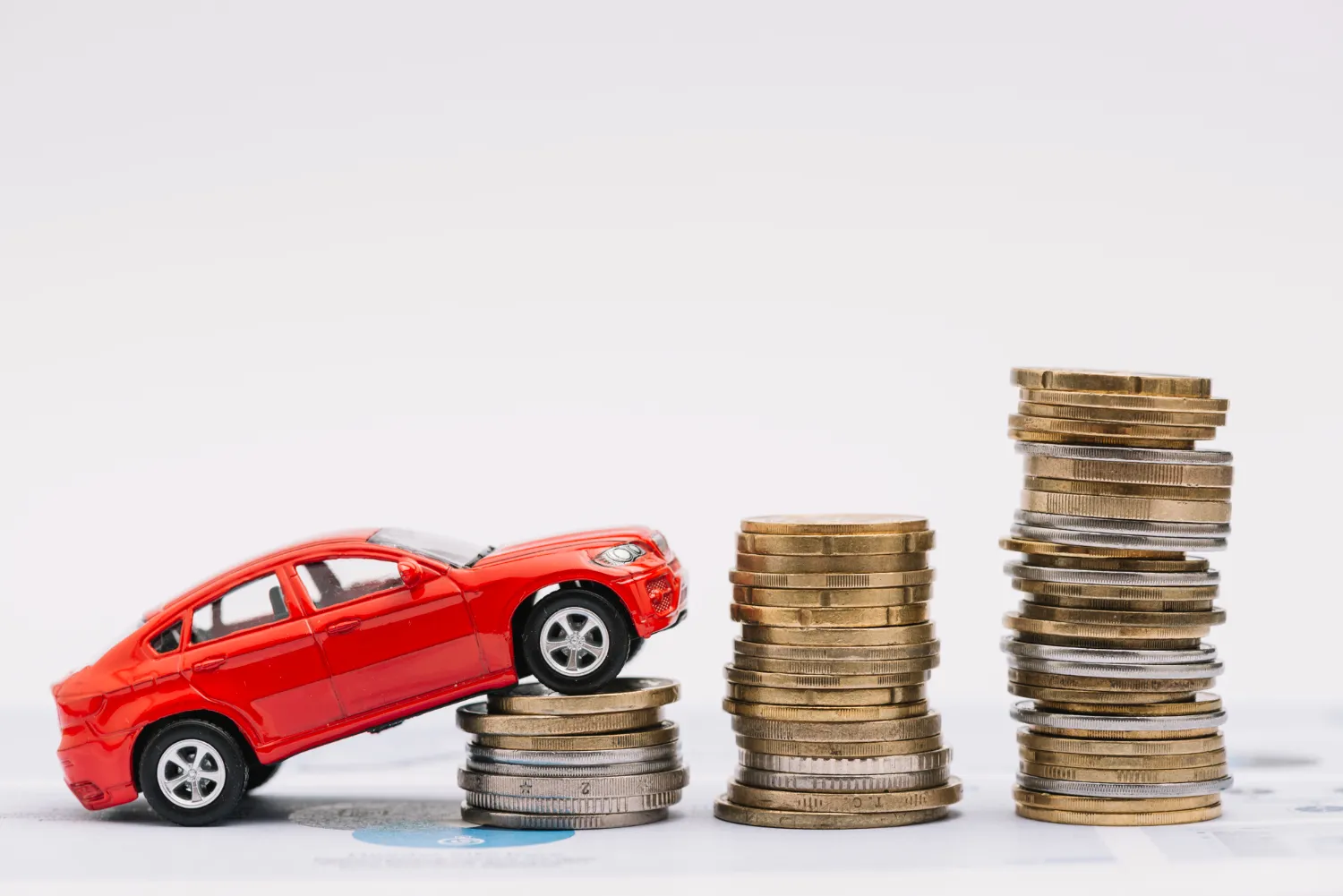
Buying a car feels exciting. Selling it later often feels surprising. Why? Because the value of your car drops faster than most people expect. That drop in value is called car depreciation, and understanding it can save you lakhs of rupees over time.
If you are planning to buy a new car, sell your old one, or simply want to make smarter financial decisions, this guide will help you clearly understand the car depreciation rate, how it works, how to calculate it, and how you can reduce its impact.
This article is written in simple, everyday language so that anyone, even without a finance background, can easily understand and apply it in real life.
What is the Car Depreciation Rate?
Meaning of Car Depreciation Rate
The car depreciation rate is the percentage by which a car’s value decreases every year compared to its original purchase price.
In simple words:
- A car is an asset that loses value over time
- The depreciation rate tells you how fast that value is dropping
The moment a new car is driven out of the showroom, it starts losing value. This happens because:
- It is no longer “brand new”
- Usage, wear and tear start immediately
- Newer models keep launching in the market
Why Car Depreciation Happens
Car depreciation is natural and unavoidable. Some key reasons include:
- Age of the vehicle
- Distance driven (kilometers/miles)
- Condition and maintenance
- Brand perception and resale demand
- Fuel type and technology changes
- Market trends and government regulations
Even if you take perfect care of your car, depreciation still happens, it just happens slower.
Average Car Depreciation Rate in India and Globally
Typical Depreciation Timeline
While exact numbers vary, industry data shows a common pattern:
- First year: 15%–25% value drop
- Second year: Additional 10%–15%
- Third year: Additional 8%–12%
- After 5 years: The car may lose 50%–60% of its original value
According to automotive valuation studies by Edmunds, most cars lose around 60% of their value within the first five years.
In India, resale value patterns are similar, though cars from brands with strong service networks often depreciate slightly slower.
Petrol vs Diesel vs Electric Depreciation
Petrol Cars
- Moderate depreciation
- Good resale in cities
- Lower maintenance cost perception
Diesel Cars
- Slightly slower depreciation (in high-usage vehicles)
- Better resale for long-distance drivers
Electric Vehicles
- Faster depreciation (currently)
- Battery life concerns impact resale value
- Technology changes quickly
Note: As EV infrastructure improves, depreciation trends for electric cars are expected to stabilize.
Why Understanding Car Depreciation Rate Is Important
Helps You Decide When to Buy
If you know depreciation:
- You may choose a 1–2 year old car instead of a new one
- You avoid paying the biggest value drop
Helps You Decide When to Sell
Selling at the right time can save you money:
- Before major service milestones
- Before warranty expiry
- Before a new model facelift launches
Helps in Financial Planning
Car depreciation impacts:
- Loan vs cash decisions
- Insurance planning
- Total cost of ownership
Remember: A car is a convenience, not an investment. Plan it like an expense, not an asset.
Factors That Affect Car Depreciation Rate
Brand and Model Reputation
Cars from brands known for:
- Reliability
- Low maintenance
- Easy spare availability
tend to depreciate slower.
Mileage (Distance Driven)
More kilometers driven = lower resale value.
For example:
- 10,000 km/year is considered normal
- 20,000+ km/year accelerates depreciation
Maintenance History
- Regular servicing
- Authorized service center records
- Accident-free history
These can significantly improve resale value.
Market Demand
Cars that are:
- Popular in the used-car market
- Fuel-efficient
- Suitable for families
…retain value better.
How to Calculate Car Depreciation Rate
Simple Straight-Line Method
This is the easiest way to calculate depreciation.
Formula
Annual Depreciation = (Purchase Price – Resale Value) ÷ Number of Years
Example
- Purchase Price: ₹10,00,000
- Value after 5 years: ₹4,00,000
Depreciation = (10,00,000 – 4,00,000) ÷ 5
= ₹1,20,000 per year
Percentage-Based Depreciation Method
This method shows depreciation as a percentage.
Formula
Depreciation Rate (%) = (Loss in Value ÷ Original Price) × 100
Example
- Original Price: ₹10,00,000
- Current Value after 1 year: ₹8,500,000
Loss = ₹1,50,000
Depreciation Rate = (1,50,000 ÷ 10,00,000) × 100
= 15%
Insurance Depreciation Calculation (Important)
Insurance companies follow standard depreciation slabs.
As per typical motor insurance norms in India:
- Up to 6 months: 5%
- 6 months – 1 year: 15%
- 1–2 years: 20%
- 2–3 years: 30%
- 3–4 years: 40%
- 4–5 years: 50%
These rates are used to calculate Insured Declared Value (IDV).
Car Depreciation and Insurance: What You Must Know
What Is IDV?
IDV is the maximum amount your insurer will pay if your car is stolen or totaled.
Lower IDV =
- Lower premium
- Lower claim amount
Tip: Always balance premium savings with a realistic IDV value.
Zero Depreciation Insurance
Zero depreciation cover ensures:
- No deduction on parts during claims
- Higher claim payout
It is especially useful for:
- New cars
- Luxury vehicles
- First-time owners
Real-World Statistics on Car Depreciation
According to resale value data published by Kelley Blue Book:
- Compact cars retain ~60% value after 3 years
- SUVs retain ~65% value due to higher demand
- Luxury cars may lose up to 50% value in just 3 years
In India, industry reports by ICRA highlight that:
- Cars with strong after-sales support show 10%–15% better resale value
- High fuel efficiency significantly reduces depreciation impact
Tips to Reduce Car Depreciation Rate
Choose the Right Car at Purchase
- Pick popular models
- Avoid over-customization
- Neutral colors sell better
Maintain Service Records
- Service on time
- Keep invoices
- Fix minor issues early
Drive Smart
- Avoid harsh driving
- Maintain tyre and brake health
- Lower accident risk
Sell at the Right Time
Best-selling window:
- Between 3–5 years
- Before major repairs
- Before insurance renewal
New Car vs Used Car: Depreciation Perspective
Buying New
Pros:
- Latest features
- Warranty peace of mind
Cons:
- The highest depreciation in the first year
Buying Used
Pros:
- Slower depreciation
- Better value for money
Cons:
- Limited warranty
- Needs careful inspection
Remember: A well-maintained used car can give you 80% of the experience at 60% of the cost.
You May Also Like to Read this Article - Benefits of Dash Cam in Car | Evidence & Theft Protection
Common Myths About Car Depreciation
Myth 1: Low Mileage Guarantees High Resale
Reality: Mileage matters, but brand, condition, and demand matter more.
Myth 2: Modifications Increase Value
Reality: Most buyers prefer stock cars.
Myth 3: All Cars Depreciate the Same
Reality: Depreciation varies significantly by segment and usage.
“A car gives freedom on the road, but knowledge gives freedom in decisions.”
Key Takeaways You Should Remember
- Car depreciation starts from day one
- First-year depreciation is the highest
- Brand, maintenance, and demand matter
- Understanding depreciation helps you save money
- Smart timing can reduce financial loss
FAQ’S
1. What is the car depreciation rate in simple terms?
Car depreciation rate is the percentage by which a car’s value decreases each year compared to its original purchase price. As a car gets older and is driven more, its resale value drops. The depreciation rate helps you understand how fast your car is losing value, which is useful when planning to sell, upgrade, or calculate the true cost of owning a car.
2. How much does a car depreciate in the first year?
On average, a new car depreciates between 15% and 25% in the first year. This is the highest depreciation period because the car immediately moves from “new” to “used.” Factors like brand reputation, model demand, fuel type, and market conditions can increase or reduce this rate. Understanding first-year depreciation helps buyers decide between new and used cars.
3. How do you calculate the car depreciation rate?
You can calculate the car depreciation rate using a simple formula:
Depreciation Rate (%) = (Original Price – Current Value) ÷ Original Price × 100.
For example, if you bought a car for ₹10,00,000 and its current value is ₹8,50,000, the depreciation rate is 15%. This calculation helps estimate resale value and ownership cost.
4. What factors affect the car depreciation rate the most?
The biggest factors affecting car depreciation rate include brand reputation, model demand, mileage, vehicle condition, accident history, fuel type, and maintenance records. Well-maintained cars, popular in the used market, and fuel-efficient cars usually depreciate slower. On the other hand, high mileage, poor servicing, or frequent repairs can significantly increase depreciation.
5. Does car depreciation affect insurance value?
Yes, car depreciation directly affects insurance value through the Insured Declared Value (IDV). IDV represents the car’s current market value, which decreases every year due to depreciation. As IDV goes down, insurance premiums become lower, but the claim amount in case of theft or total loss also reduces. Understanding depreciation helps balance premium cost and coverage.
Final Thoughts
Understanding the car depreciation rate is not just for finance experts, it is for every car owner and buyer.
Before you:
- Buy your next car
- Renew your insurance
- Decide to sell
…pause and calculate depreciation. A few minutes of thinking today can save you thousands tomorrow.