

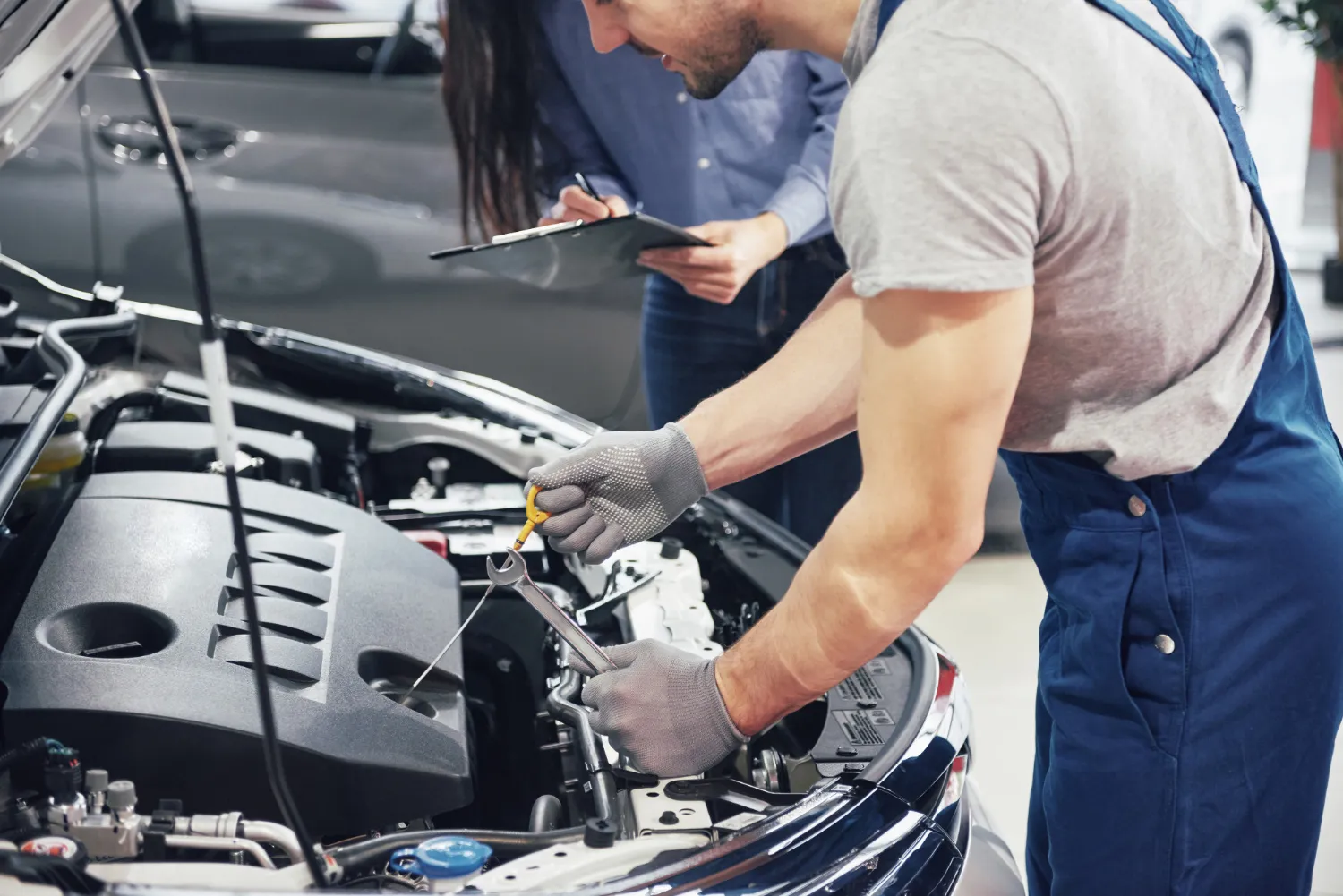
Buying a second hand car is smart—but maintaining it smartly is what truly saves you money in the long run.
In India, where road conditions, traffic, weather, and fuel quality vary widely, proper maintenance of a used car is not optional—it is essential. If you maintain a second hand car the right way, it can easily serve you reliably for many years without burning a hole in your pocket.
This guide is written for everyday Indian car owners. No complex jargon, no confusing advice—only practical, easy-to-follow steps that help you maintain a second hand car efficiently and confidently.
Why Maintaining a Second Hand Car Is Important in India
Buying a used car already means the vehicle has gone through wear and tear. Without proper care, small issues can quickly turn into expensive repairs.
Key reasons maintenance matters
- Indian roads cause faster suspension and tyre wear
- Traffic leads to clutch, brake, and engine stress
- Dust and pollution affect air filters and engine health
- Weather extremes damage batteries, rubber parts, and paint
Statistics to know
According to the Ministry of Road Transport & Highways (MoRTH, India), over 40% of private cars on Indian roads are older than 8 years, and poor maintenance is a major cause of breakdowns and accidents.
Source: MoRTH Road Transport Yearbook
“A well-maintained used car performs better than a neglected new one.”
First Things to Do After Buying a Second Hand Car
Get a full vehicle inspection done
Even if the seller claims the car is in perfect condition, always get it checked by a trusted mechanic.
Inspection should include
- Engine health and oil leaks
- Brake condition
- Suspension and steering
- Battery health
- Tyres and wheel alignment
- AC performance
Tip: Spend ₹1,500–₹3,000 on inspection—it can save you ₹50,000 later.
Replace essential fluids immediately
You should never assume the fluids were recently changed.
Fluids to replace
- Engine oil
- Coolant
- Brake fluid
- Transmission oil
- Power steering fluid
Remember: Fresh fluids protect your engine and improve mileage instantly.
Engine Care: The Heart of Your Car
Change engine oil on time
Old oil leads to poor lubrication and engine damage.
Ideal oil change interval
- Petrol cars: Every 7,000–10,000 km
- Diesel cars: Every 8,000–12,000 km
Use manufacturer-recommended oil grade only.
Note: Cheap engine oil increases long-term repair costs.
Keep air and fuel filters clean
Indian dust levels clog filters faster than expected.
Replacement frequency
- Air filter: Every 10,000 km
- Fuel filter: Every 20,000–30,000 km
Clean filters improve mileage and engine life.
Brake, Clutch, and Suspension Maintenance
Brakes need extra attention
Stop-and-go traffic wears brake pads quickly.
Warning signs
- Screeching noise
- Vibrations while braking
- Longer stopping distance
Tip: Check brakes every 10,000 km.
Clutch care saves big money
Replacing a clutch can cost ₹6,000–₹15,000.
How to extend clutch life
- Avoid half-clutch driving
- Don’t rest foot on clutch pedal
- Shift gears smoothly
Remember: Smooth driving = longer clutch life.
Suspension health for Indian roads
Potholes and speed breakers damage suspension components.
Signs of suspension issues
- Car pulls to one side
- Uneven tyre wear
- Noisy bumps
Get alignment and balancing done every 6 months.
Tyres and Wheels: Safety Comes First
Check tyre condition regularly
Tyres affect safety, mileage, and comfort.
Tyre maintenance tips
- Maintain correct air pressure
- Rotate tyres every 8,000–10,000 km
- Replace tyres older than 5–6 years
Statistics to know
As per Autocar India, worn-out tyres increase braking distance by up to 20%, significantly raising accident risk.
“Good tyres don’t cost money—they save lives.”
Battery and Electrical System Care
Battery lifespan in India
Due to heat, batteries usually last 3–4 years.
Battery care tips
- Check terminals for corrosion
- Ensure tight connections
- Turn off lights when engine is off
Note: A weak battery can damage electrical components.
Watch out for electrical faults
Used cars often develop minor wiring issues.
Common problems
- Power window failure
- Central locking issues
- Dashboard warning lights
Fix them early before they become complex.
AC, Cooling System, and Overheating Prevention
Maintain your car’s cooling system
Overheating is a common problem in older cars.
Cooling maintenance
- Check coolant levels monthly
- Inspect radiator and hoses
- Clean radiator fins
AC system care
Indian summers demand a healthy AC.
AC maintenance tips
- Run AC once a week, even in winter
- Clean cabin air filter regularly
- Get gas pressure checked annually
Remember: Poor AC performance may indicate bigger issues.
Exterior and Interior Care
Protect the car body
Rust is a major issue in older vehicles.
Protection tips
- Wash car regularly
- Apply anti-rust coating if needed
- Park in shade or covered area
Interior maintenance
A clean interior improves comfort and resale value.
Interior care checklist
- Vacuum seats and carpets
- Clean dashboard to prevent cracks
- Use seat covers and floor mats
Tip: A clean car feels newer and drives better.
You May Also Like to Read this Article - What is HSRP Number Plate & How to Apply for High Security Plate
Insurance, Documents, and Legal Checks
Keep insurance active
Always maintain comprehensive insurance for used cars.
Benefits
- Covers unexpected repairs
- Protects resale value
- Peace of mind
Track service history
Maintain a simple service record file.
Include
- Service bills
- Oil change dates
- Part replacements
Remember: Service records increase resale value by up to 10–15%.
Driving Habits That Keep Your Car Healthy
Drive smart, save money
Your driving style directly affects car life.
Best habits
- Warm up engine before driving
- Avoid aggressive acceleration
- Maintain steady speeds
“Gentle driving is the cheapest maintenance.”
FAQ’S
1. How often should I service a second hand car in India?
You should service a second hand car every 6 months or 8,000–10,000 km, whichever comes first. Regular servicing helps identify engine, brake, and suspension issues early. In Indian road and traffic conditions, timely service improves mileage, reduces repair costs, and ensures long-term reliability of a used car.
2. What are the most important checks to maintain a second hand car?
To maintain a second hand car properly, regularly check engine oil, brake condition, tyre pressure, battery health, coolant level, and air filters. These components wear faster in used cars, especially on Indian roads. Routine checks prevent sudden breakdowns and help maintain performance and safety.
3. Is it expensive to maintain a second hand car in India?
Maintaining a second hand car in India is affordable if preventive care is followed. On average, annual maintenance costs range between ₹8,000–₹15,000 for hatchbacks and ₹12,000–₹25,000 for sedans. Regular servicing reduces the risk of major repairs and keeps ownership costs under control.
4. How can I improve mileage in a second hand car?
To improve mileage in a second hand car, keep tyres properly inflated, replace clogged air filters, use the correct engine oil, and drive smoothly. Avoid aggressive acceleration and unnecessary idling. These habits reduce engine stress and fuel consumption, making your used car more efficient.
5. How long can a well-maintained second hand car last in India?
A well-maintained second hand car in India can easily last 10–15 years or more. Regular servicing, timely replacement of worn parts, and careful driving significantly extend vehicle life. Proper maintenance ensures reliability, better resale value, and consistent performance even in challenging Indian driving conditions.
Final Thoughts: Make Your Second Hand Car Last Longer
Maintaining a second hand car in India is not difficult—it only requires consistency and awareness. With regular servicing, smart driving habits, and timely inspections, your used car can run smoothly for years while saving you thousands of rupees.