

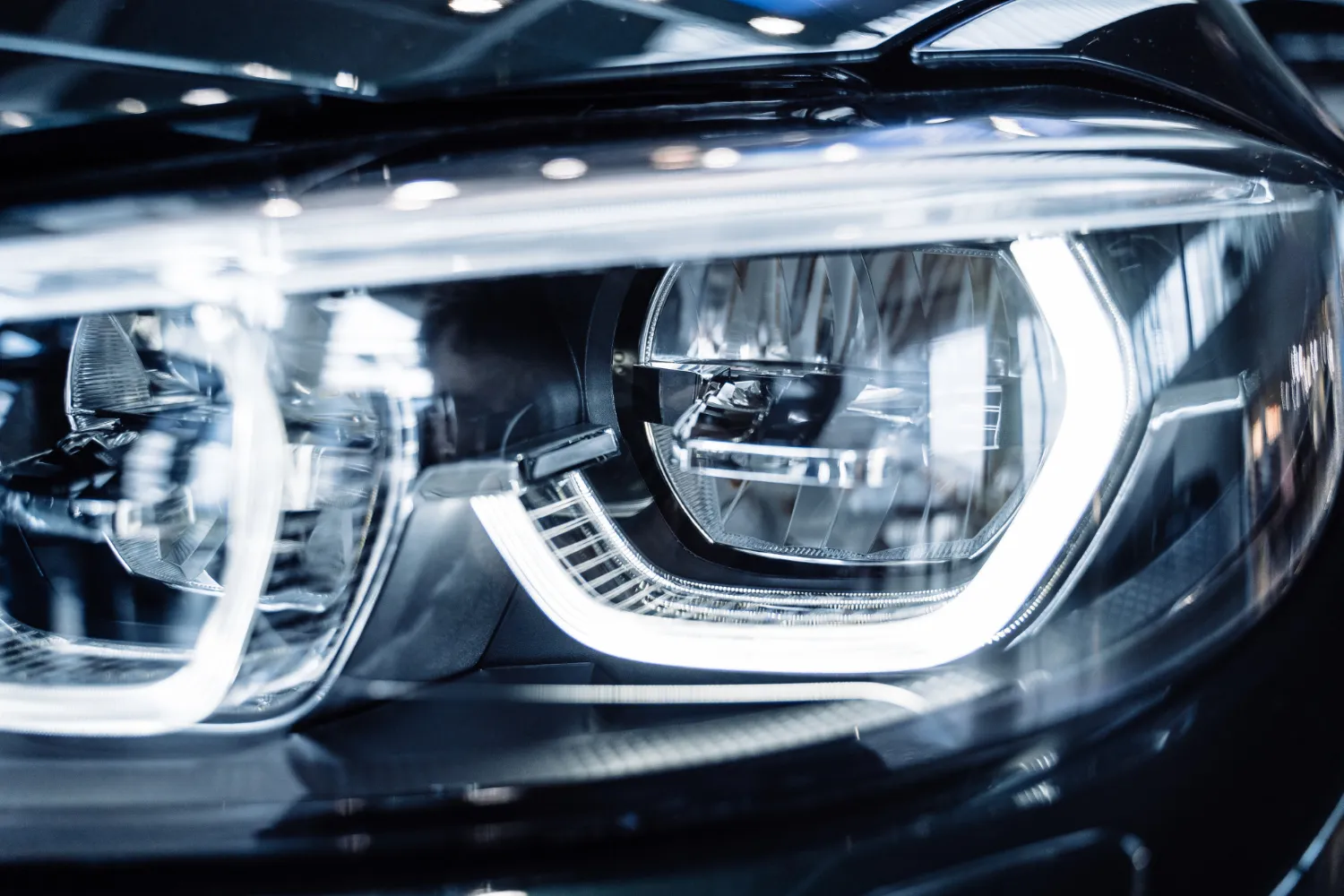
When the sun sets and the roads turn dark, your car’s lights are your eyes. Without them, driving is like walking blindfolded.”
Imagine this. You are driving on a busy Indian highway at night. Trucks zoom past, bikes appear suddenly, and pedestrians cross without warning. What will help you see clearly and keep your family safe? Your car lighting system.
The car lighting system is not just about headlights. It includes tail lights, brake lights, indicators, fog lamps, cabin lights, and more. In India, where road accidents are high (around 1.5 lakh deaths reported in 2022 due to road crashes – MoRTH, India), keeping your car’s lights in proper working condition is not optional – it’s life-saving.
This blog is your complete guide to car lighting system inspection in India. You’ll learn:
- Why lights matter for safety and visibility
- Types of car lighting systems (including modern auto LED lighting systems)
- How to inspect and maintain lights at home
- When to get professional help
- Tips, notes, and important reminders for Indian road conditions
- Real statistics to understand the risk of poor lighting
Let’s dive in step by step.
What is a Car Lighting System?
A car lighting system is the network of lights inside and outside your car. It helps you:
- See the road clearly – especially at night, in fog, or in rain.
- Show your moves – when you brake, turn, or reverse.
- Stay visible – so other vehicles and people can notice you.
Think of it like your body. Your eyes help you see. Your hands wave to show direction. Your facial expressions warn others. Car lights do all of this for your vehicle.
Types of Car Lighting Systems in India
1. Headlights
- The most important lights for visibility.
- Two modes: Low Beam (for city, short distance) and High Beam (for highways, long distance).
- New cars now use LED Headlights under the auto LED lighting system.
- Benefits: brighter, longer life, less battery use.
- Example: Many cars like Hyundai Creta, Maruti Grand Vitara, and Tata Harrier now come with LED auto light systems.
Tip: Avoid using high beam in city traffic – it blinds other drivers.
2. Tail Lights & Brake Lights
- Tail lights glow red when headlights are on.
- Brake lights glow brighter when you press the brake pedal.
- They warn vehicles behind you about your speed and stopping.
Note: Many accidents in India happen because brake lights are not working. Always check before a long drive.
3. Turn Indicators (Blinkers)
- Amber lights at front and back.
- Blink to show left or right turn.
- Mandatory under Indian traffic laws.
Remember: Always use indicators before changing lanes, especially on highways.
4. Fog Lamps
- Yellow or white lights placed lower on the bumper.
- Useful during fog, heavy rain, or dust.
- In north India (Delhi, Punjab, Haryana, UP), fog lamps save lives during winter smog.
5. Reverse Lights
- White lights that glow when you shift to reverse gear.
- Alert people behind you that your car is moving back.
6. Cabin & Dashboard Lights
- Interior lights help you inside the car.
- Dashboard lights show speed, fuel, and warnings.
7. Daytime Running Lights (DRLs)
- White LED strips that glow during the day.
- Now standard in most modern cars.
- Increases visibility even in daylight.
8. Auto Light System
- A smart system that automatically switches lights ON or OFF depending on darkness.
- Example: If you enter a tunnel, headlights turn on automatically.
- Increasingly available in Indian cars like Honda City, Hyundai Verna, Skoda Slavia.
“Technology is not just about luxury. In cars, it can mean the difference between safety and danger.”
Why Car Lighting System Inspection is Important in India
- High Accident Rate – India has one of the highest road accident rates in the world. Poor visibility at night is a major reason.
- Diverse Road Conditions – Highways, villages, hills, and crowded cities – all need proper lighting.
- Weather Challenges – Fog in north, heavy rains in south-west, dust storms in Rajasthan – all demand reliable lights.
- Legal Compliance – Indian Motor Vehicle Act makes working lights compulsory. Driving without them can lead to fines.
Statistics:
- Around 40% of accidents in India happen during night driving (Source: Ministry of Road Transport & Highways).
- A survey by Philips Lighting shows 60% of Indian drivers feel unsafe driving at night due to poor lighting.
You May Also Like to Read this Article - Mahindra Model-Wise Sales August 2025 – Scorpio, Bolero, Thar, 3XO, BE 6
Step-by-Step Guide to Inspect Your Car Lighting System
Here’s how you can do it yourself in just 10 minutes at home:
Step 1: Park in a Safe Place
- Switch off engine.
- Park in a shaded area or garage.
Step 2: Check Headlights
- Switch on low beam → see if both sides glow equally.
- Switch to high beam → check distance throw.
- If light looks yellow or weak → time to replace.
Step 3: Test Brake Lights
- Ask a friend to press brakes.
- Stand behind and check brightness.
- If one side is dull → replace bulb.
Step 4: Inspect Indicators
- Turn on left and right blinkers.
- Make sure they flash at correct speed.
Step 5: Try Fog Lamps
- Switch on and see beam spread near ground.
Step 6: Reverse Lights
- Put gear in reverse (engine ON).
- Check if back light glows.
Step 7: Cabin & Dashboard
- Switch on interior lights.
- Ensure all speedometer and warning lights glow.
Remember: Always carry extra fuses and bulbs in your car. They are cheap but can save your journey.
Common Problems in Car Lighting System
- Dim Headlights – Caused by old bulbs or dirty reflectors.
- One Side Light Not Working – Fuse problem or bulb blown.
- Flickering Lights – Loose wiring.
- Water Inside Light Housing – Broken seal, common in monsoon.
- LED Strip Failure – Needs full replacement, not repairable.
Note: In India, roadside mechanics may suggest temporary fixes. Always prefer genuine parts for safety.
Maintenance Tips for Car Lighting System
- Clean headlights weekly – Dust reduces brightness by 30%.
- Replace bulbs in pairs – If one fails, the other will follow soon.
- Check alignment – Misaligned beams cause accidents.
- Upgrade to LED Auto Lighting System – Saves battery, lasts longer.
- Avoid cheap Chinese bulbs – They may look bright but can damage reflectors.
Benefits of Upgrading to Auto LED Lighting System
- Brighter Roads – 50% more visibility than halogen.
- Energy Saving – 30–40% less battery use.
- Long Life – Lasts up to 20,000 hours.
- Automatic Control – Auto light system adjusts itself.
- Stylish Look – Modern design for your car.
Example: Many Indian car owners upgrade their Maruti Swift or Hyundai i20 from halogen to auto LED lighting system for better night drives.
Cost of Car Lighting System in India
- Halogen Bulb – Rs. 200–500 per bulb.
- LED Headlight Bulb – Rs. 2,000–5,000 per set.
- Fog Lamps – Rs. 3,000–7,000 depending on car.
- Full Auto Light System (factory fitted) – Comes in cars priced above Rs. 10 lakh.
Tip: If you upgrade, always buy from trusted brands like Philips, Osram, or Hella.
Professional Inspection vs. DIY
- DIY (Do it Yourself):
- Good for quick weekly checks.
- Saves money.
- Professional Inspection:
- Needed every 6 months.
- They check wiring, alignment, computer system, and sensors.
- Cost: Rs. 500–1000 at authorized service centers.
Remember: A small expense today can save you from a big accident tomorrow.
Indian Driving Scenarios Where Lights Matter Most
- Highways at Night – Trucks often drive with full beams. Good headlights protect your eyes.
- Village Roads – No streetlights, animals may cross suddenly.
- Hill Roads – Sharp curves demand working indicators and fog lamps.
- City Traffic – Brake lights and indicators reduce bumper-to-bumper crashes.
- Monsoon Rains – Tail lights make you visible in heavy downpour.
Quick Checklist Before Long Drive in India
- Are both headlights working?
- Are brake lights bright?
- Are indicators flashing correctly?
- Do fog lamps glow?
- Are reverse lights visible?
- Is dashboard showing all signals?
“Safety is not expensive, it is priceless.”
Action Steps for You
- Inspect your car lights every week.
- Upgrade to auto LED lighting system if you drive often at night.
- Never ignore a small fault – replace bulbs/fuses immediately.
- During service, ask your mechanic for a car lighting system inspection.
- Educate your family and friends – many accidents in India can be avoided with working lights.
FAQ’S
1. What is a car lighting system and why is it important?
A car lighting system includes headlights, tail lights, brake lights, indicators, fog lamps, and interior lights. It ensures drivers can see clearly at night or in bad weather and makes the vehicle visible to others. In India, proper lighting reduces accident risks, improves road safety, and is mandatory under traffic laws.
2. How often should I inspect my car lighting system?
It’s best to inspect your car lighting system once every week for basic checks like headlights, brake lights, and indicators. A professional inspection should be done every six months. Regular inspections help identify dim bulbs, wiring issues, or misaligned beams early, ensuring safe driving on Indian roads where visibility is often a challenge.
3. What are the common problems in car lighting systems?
Common problems include dim or flickering headlights, blown bulbs, non-functioning brake lights, misaligned beams, water seepage inside light housing, and faulty fuses. In cars with LED or auto light systems, strip failures may also occur. These issues affect visibility and safety, so timely replacement or repair is necessary to avoid accidents, especially on highways and during monsoons.
4. What is the benefit of upgrading to an auto LED lighting system?
An auto LED lighting system offers brighter visibility, energy efficiency, longer lifespan, and automatic adjustment based on lighting conditions. In India, where night driving and foggy weather are common, LED headlights improve safety by projecting clearer beams. They also consume less battery power and add a modern look, making them a preferred upgrade over halogen bulbs.
5. How can I check if my car’s headlights are aligned properly?
To check headlight alignment, park your car 10–15 feet away from a wall and turn on low beams. Both beams should hit the wall at the same height and spread evenly. If one beam is higher or angled, it’s misaligned. Misaligned lights can blind oncoming drivers or reduce visibility, so get them adjusted at a service center.
Conclusion
Your car lighting system is the unsung hero of safe driving in India. From highways to village roads, from clear nights to foggy mornings, lights keep you and others safe.
So, the next time you start your car, don’t just check fuel and air. Spend a few seconds on your lights too. It might save a life – maybe yours, maybe someone else’s.